Emrakul returns in Reality Fracture with an early use and a costly finish
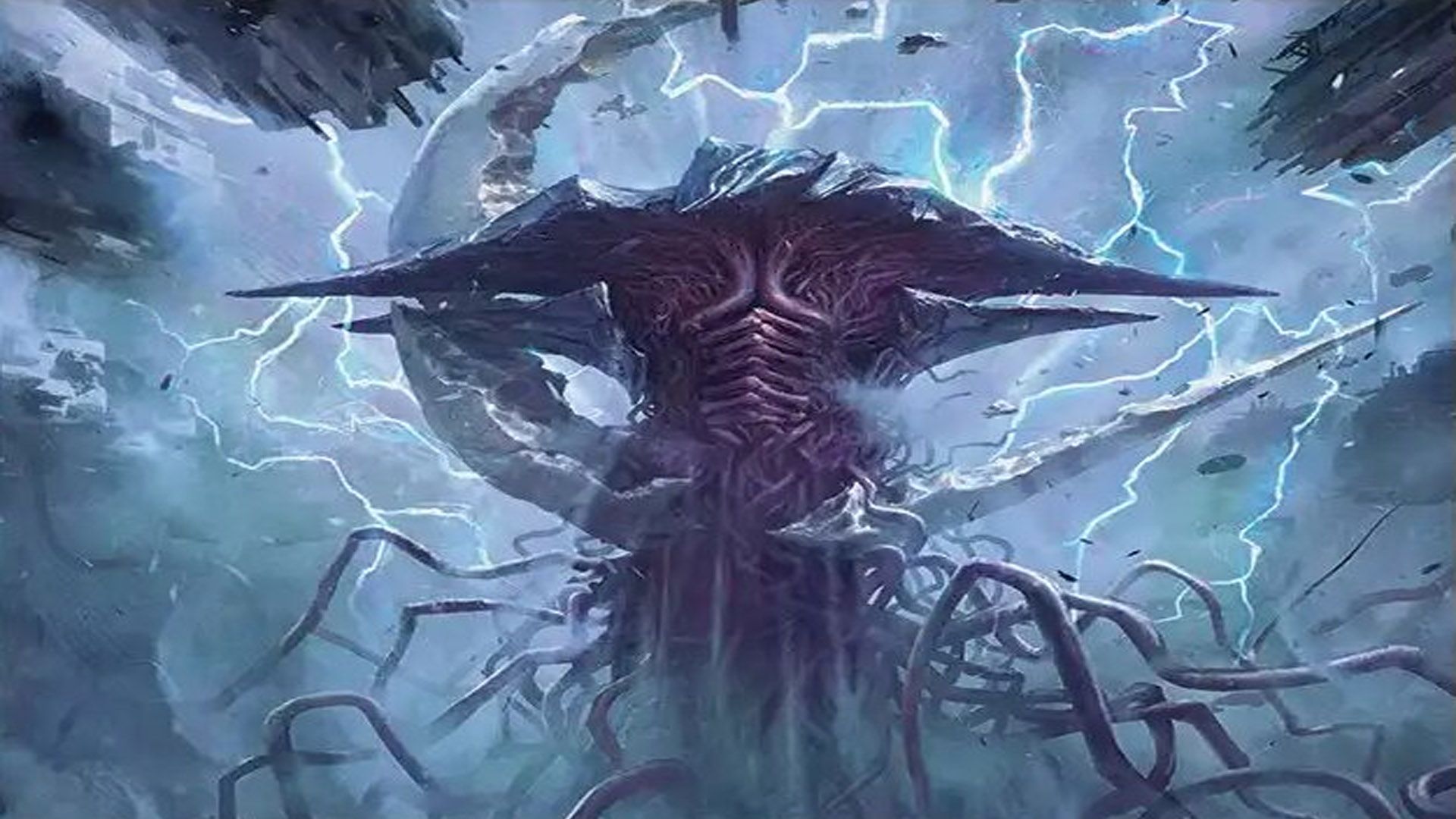
Emrakul has returned to Magic: The Gathering's Reality Fracture story, and her new card gives players something to consider before they ever reach ten mana. Emrakul, the Exigent Doom can be exiled from hand to improve a land's mana production, then cast from exile later. That early use is the practical hook for a creature whose eventual arrival brings a 12/12 body and a land-untapping cast trigger.
The story has also moved beyond the speculation surrounding the first reveal. Wizards of the Coast's tenth episode, Happy Birthday, places Emrakul directly in the resolution of the Echoverse crisis and displays the new card. Readers following the fiction should expect ending spoilers in the story section below.
A large creature with an earlier job
Polygon's September 9 report describes Emrakul, the Exigent Doom as a ten-mana colorless 12/12 with flying and trample. It reports ward with a cost of sacrificing three permanents, a cast trigger that untaps the controller's lands, and a three-mana ability that exiles Emrakul from hand to let a land tap for two colorless mana. The land gains that two-colorless mana ability until this Emrakul is cast from exile. The card can subsequently be cast from exile.
That combination gives a costly card an intermediate use. A player holding Emrakul can spend mana on the land ability while working toward the larger spell. The exiled card remains part of the future plan. This is a rules-based reading of the preview, with no claim that we have tested a deck or established how consistently that plan works against opponents.
Wargamer's September 13 analysis emphasizes how the exile ability changes the problem of drawing multiple copies. Its point is that additional copies can upgrade different lands. That gives deck builders a reason to examine the whole card before dismissing duplicate expensive creatures as unusable opening-hand weight. Whether a list can afford those setup turns remains a separate question that preview coverage cannot settle.
The land untap deserves precise wording. Polygon describes it as happening when Emrakul is cast. Wargamer loosely places the effect when she hits the field. Those phrases describe different Magic events, so the cast-trigger account is the one used here. Readers planning interactions should consult the actual card text and release rulings, particularly before assuming that stopping the creature also stops every benefit associated with casting it.
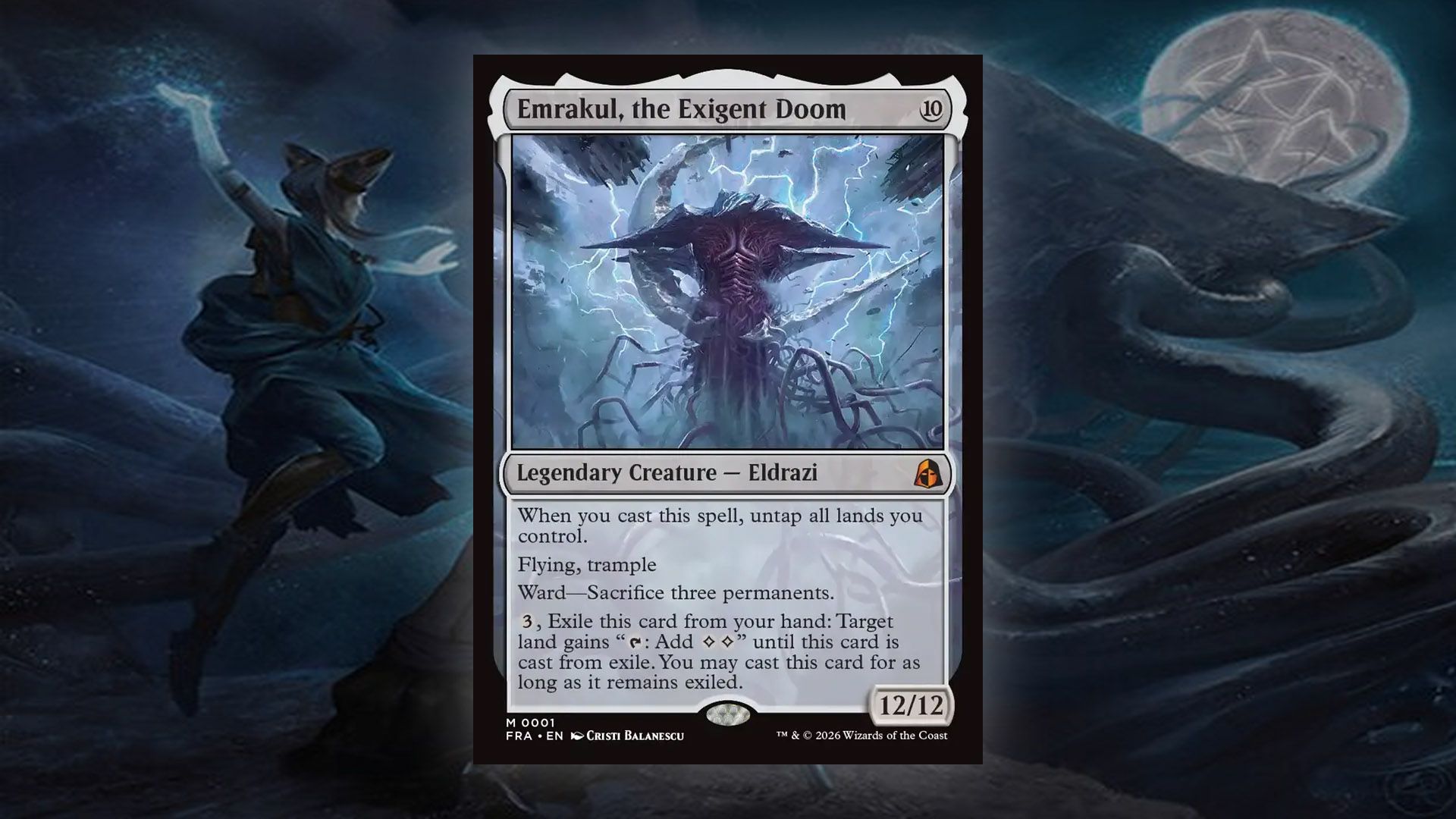
Ward also needs care. The reported sacrifice cost makes targeted interaction expensive; it does not make Emrakul universally immune to removal. Likewise, flying and trample describe combat capabilities, not a guaranteed win. A large stat line still leaves questions about timing, the opponent's resources and the rest of the board that require games to answer.
What the official ending now establishes
Polygon published while the story was still unfolding. Its account traced Tam's contact with Emrakul and suggested that the titan could destroy the Echoverse. That was an informed prediction at the time. The later official episode supplies the outcome: her involvement is now part of the published story.
In Happy Birthday, Tam reaches out to the creature within Innistrad's moon and asks her to consume the artificial Multiverse. Emrakul accepts. The episode depicts her separating the overlapping realities and devouring their mirrored versions. This provides a direct narrative basis for discussing her return, independent of early advertisements or deductions from a card image.
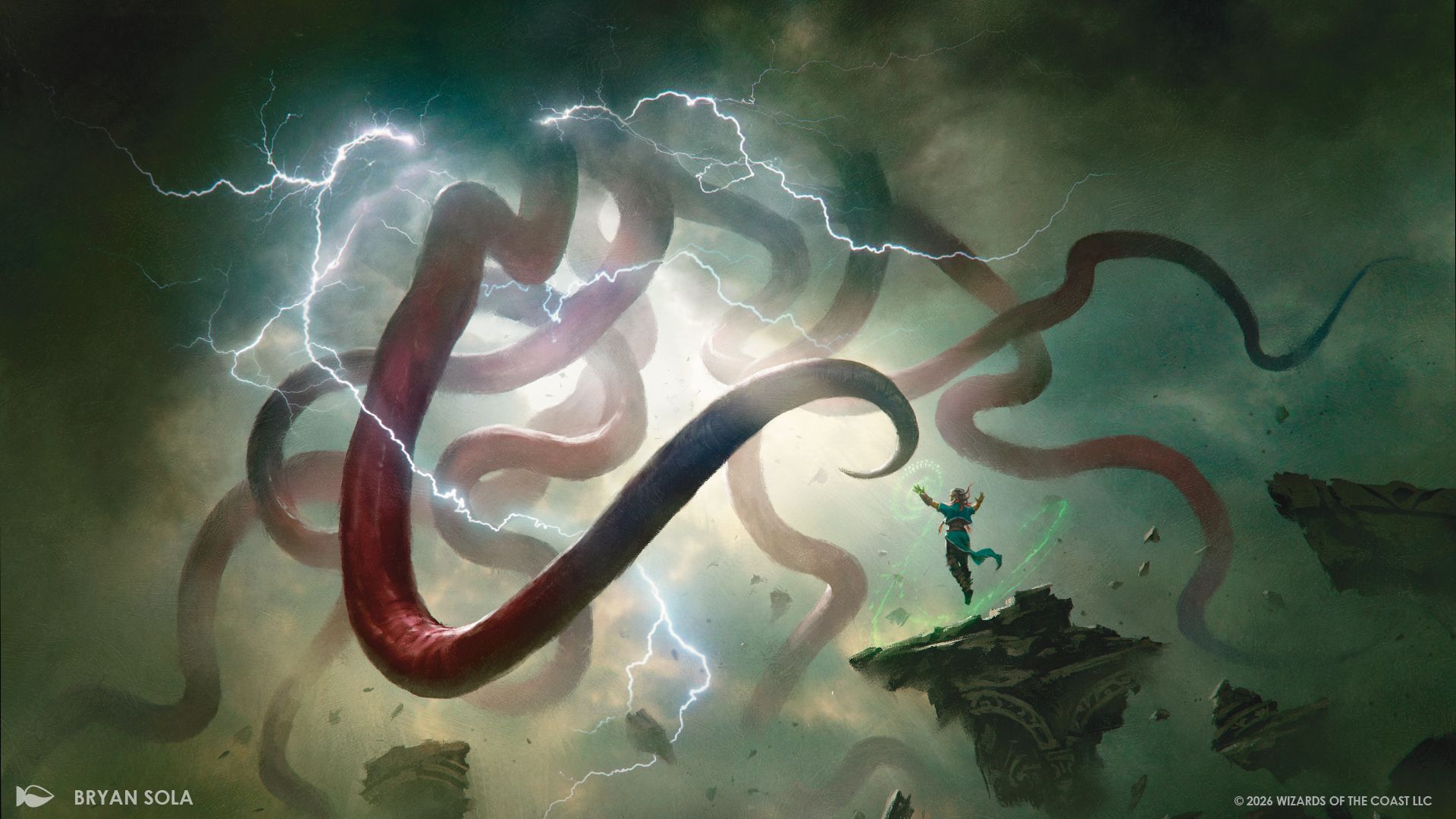
The exile design fits that story at a broad level: an immense creature remains out of reach until the moment of release. Polygon draws a related comparison with Imprisoned in the Moon and the earlier containment of Emrakul. That is a reading of the connection between mechanics and fiction, not a claim about the designers' stated intent.
A practical boundary for the table
For families, the official fiction and accompanying artwork deserve a look before sharing. This episode includes mourning, necromancy and disturbing descriptions of a tentacled being consuming worlds. Emrakul helps resolve the immediate disaster, while the imagery remains cosmic horror. Her role in the ending does not turn the story into gentle fantasy for younger readers.
Scripture forbids practicing sorcery and consulting the dead (Deuteronomy 18:10-12). Christians cannot affirm those practices as good. A fictional depiction of necromancy is not, by itself, an endorsement or an invitation to practice it; this warning concerns the material presented, without judging a player's heart or standing before God.
Reading the web story is optional for card play, so families can skip its detailed horror and necromancy. Emrakul's creature imagery is visible on the card itself and cannot be avoided simply by skipping the fiction when that card is in use. Parents should inspect the cards and art their children will actually encounter, discuss the difference between depicting evil and approving it, and choose a different deck or activity if those images trouble a child or conscience.
For deck planning, begin with the early land ability and the ten-mana commitment together. Keep the cast trigger distinct from entering the battlefield, and leave competitive verdicts open until actual lists and results provide evidence. Emrakul's return already has a confirmed story role; her best place in players' decks still needs to be earned at the table.
Continue exploring CCGs/TCGs coverage from Crosspad Gaming.