

When Board Game Night Goes Badly, Repair the Table Before You Replace the Game
One rough night can expose a bad game fit, a rushed teach, tired players, or damaged trust. Diagnose the real problem before the next invitation.
The box is still open on the table. One player left before the final round. Another spent half the game asking what their cards did. The person who bought the game is quietly gathering pieces, feeling as if everyone rejected more than the game. Nobody knows whether the same group should meet next week.
A failed board-game night can feel strangely personal. Money, preparation, hospitality, competition, and friendship all land on the same table. When the evening falls apart, the group often reaches for one simple verdict: bad game, bad teacher, or bad player.
That verdict usually comes too fast. The game may have been wrong for the group. The teach may have hidden the choices that make the game fun. Someone may have dominated the room. A tired parent may have had no attention left for a forty-minute rules explanation. The theme may have made a guest uncomfortable.
The morning after is a better time to sort those causes. The goal is to protect the next gathering and the people who shared this one.
Why a bad night becomes personal
Board games ask people to accept temporary limits. We follow rules, wait for turns, lose control of outcomes, and let other players interfere with our plans. That can create laughter and tension in the same hour.
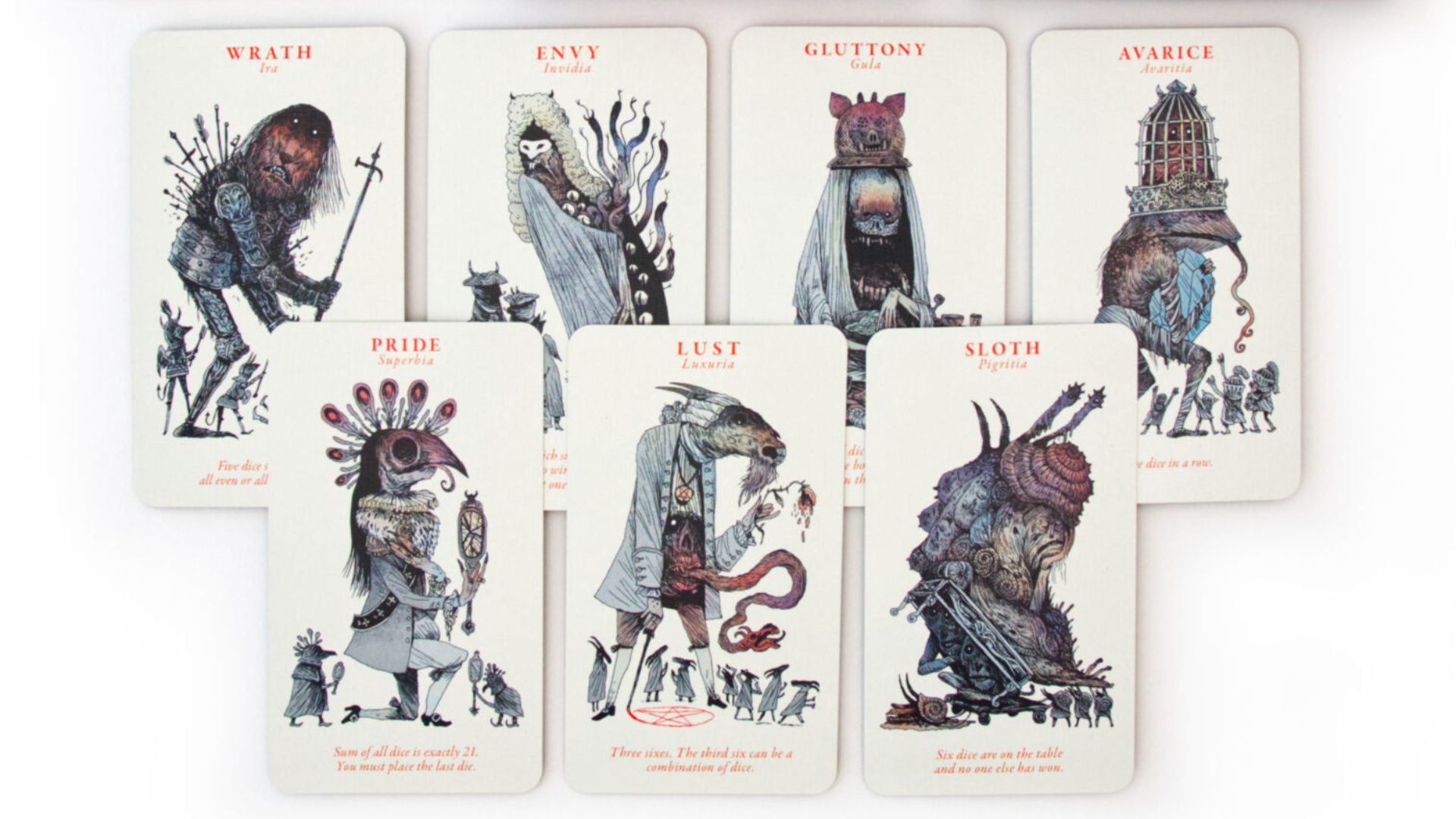
Different designs also demand different things from a group. Wargamer's coverage of VII: Seven Secret Sins describes a fast dice-deduction game built around secret goals, identification, and deception. Its coverage of Sprout describes a gentler plant-care theme with push-your-luck decisions. Either design could be a good evening for the right group. Neither design can promise a good evening for every group.

The trouble starts when a preference becomes a judgment about a person. A player says, "I didn't enjoy that," and the buyer hears, "You wasted our evening." Someone asks the same rules question twice, and the teacher hears, "You explained this badly." A quiet player checks out, and the competitive player decides they never cared.
Those interpretations turn game feedback into a loyalty test. Once that happens, people defend themselves instead of describing what occurred.
Player conduct also needs its own category. A recent r/boardgames discussion about household game-night rules shows the severe end of that problem. Some behavior is threatening or abusive. That situation is outside an ordinary game debrief. Choose safety, leave the room, and involve trusted help. No rules explanation can repair an unsafe group.
Most rough nights are less extreme. The distinction still matters. A fiddly scoring system and a player mocking someone are two different problems. Fixing the first won't excuse the second.
What not to do
Don't force a cheerful verdict. Asking everyone to say they had fun protects the host's feelings for a minute. It also teaches guests that honesty is unwelcome.
Don't hold the debrief while people are heated. Pack the game away. Get some sleep. A calm message the next day will reveal more than an argument beside a half-finished board.
Don't make the teacher carry every failure. Teaching matters, and teachers should own a rushed or confusing explanation. Players also share responsibility for listening, asking questions, and giving the game a fair try.
Don't blame the quietest player. Silence can mean boredom, confusion, fatigue, embarrassment, or discomfort with the theme. Ask before assigning a motive.
Don't replay immediately to prove the game is good. A second attempt can help after the group knows what must change. Using it as a courtroom exhibit will make everyone defensive.
Don't sell the game in anger. The box may still work with another group, at a different player count, or after a cleaner teach. Give the decision a day.
Five questions for repairing the table
Keep the conversation short. Ten honest minutes can do more than an hour of defending the purchase. Ask these questions in order.
1. Did the game fit this group?
Start with the game's demands. Did it ask for bluffing from people who dislike lying? Did it require constant negotiation from players who wanted a quiet puzzle? Was the playtime much longer than the invitation suggested? Did experienced players choose a weight that left a newcomer behind?
A game can be excellent and still miss the room. Saying that clearly protects both the game and the guests from unfair blame.
2. Was the teach clear enough for real choices?
A player does not need every edge case before turn one. They do need to understand the goal, the basic turn, and why one option might be better than another.
Ask where the table first became confused. Maybe scoring stayed hidden until the end. Maybe a key action appeared after players had already committed to bad plans. Maybe the teacher knew the rules yet skipped the example that would have made the system click.
Pick one teaching repair: a practice round, a player aid, a shorter overview, or a different teacher.
3. Did anyone's behavior crowd out the others?
Look at conduct without turning the conversation into character assassination. Did someone interrupt every question? Did a veteran direct another player's turn? Did the winner celebrate by humiliating the loser? Did joking continue after a guest stopped laughing?
Name the action. Name its effect. Ask for one change. "Please let me finish my turn without coaching" gives the group something usable. "You always ruin games" gives it a fight.
An apology belongs here when needed. "I got frustrated and snapped at you. That was wrong" is complete. Leave the rules out of the apology.
4. Was the room working against the game?
Hunger, noise, heat, childcare, a late start, and a hard workday can sink a game that would succeed on Saturday afternoon. Families need to account for the room because attention is a limited resource.
This question often produces the easiest repair. Eat first. Start earlier. Choose a ninety-minute game instead of a three-hour one. Put phones away during the teach. Save the campaign game for a week when everyone can arrive rested.
5. Did the theme or content make someone uncomfortable?
A mechanic can be smooth while the subject matter lands badly. Hidden betrayal, horror, crude humor, religious imagery, cruelty, or romantic content may change how safe the game feels for a player.
Don't demand a public defense of someone's boundary. A simple "That theme wasn't for me" can be enough. The group can choose another game without putting the person on trial.
After all five questions, decide one change for the next invitation. One change is easier to remember and test. If several things failed, choose the one that affected the room most.
How families and friends keep the relationship intact
For families, honest feedback has to be safe across age and authority. A child should be able to say, "I was confused" without being accused of complaining. A parent should be able to stop because the hour is late without becoming the enemy of fun. Older siblings should help younger players make choices without taking those choices away.
For couples, separate dislike of the game from appreciation for the invitation. "I loved that you planned time for us. This particular game wore me out" protects both truths. The buyer may still feel disappointed. Clear affection keeps that disappointment from becoming a verdict on the relationship.
For recurring friend groups, rotate more than games. Rotate who chooses, who teaches, and who hosts. A group learns humility when the usual expert becomes the learner. It also becomes easier to see whether the problem follows one box, one room, or one pattern of behavior.
Christian hospitality gives this repair a steady center: the person across the table matters more than proving the game was a good purchase. That does not require fake agreement. It requires truth spoken without humiliation, responsibility without excuses, and enough patience to try a wiser invitation next time.
Sometimes the wise choice is to retire the game from that group. Sometimes one person needs to apologize before another invitation. Sometimes the evening only needed food and a better teach. The relationship can survive any of those conclusions when people are allowed to speak plainly.
Final takeaway
A bad board-game night does not have to become a family legend or the end of a friendship. Let the room cool. Separate game fit, teaching, conduct, conditions, and content. Own the part that belongs to you. Choose one concrete change.
The box may return next week, move to another group, or stay on the shelf. The best repair is a table where people can tell the truth, receive an apology, and still want to play together again.
Continue exploring Family coverage from Crosspad Gaming.