

Ask Before You Film Your Child's Pokémon Pack Opening
A booster pack can stay a family memory when opening, filming, posting, and card ownership are four separate choices.
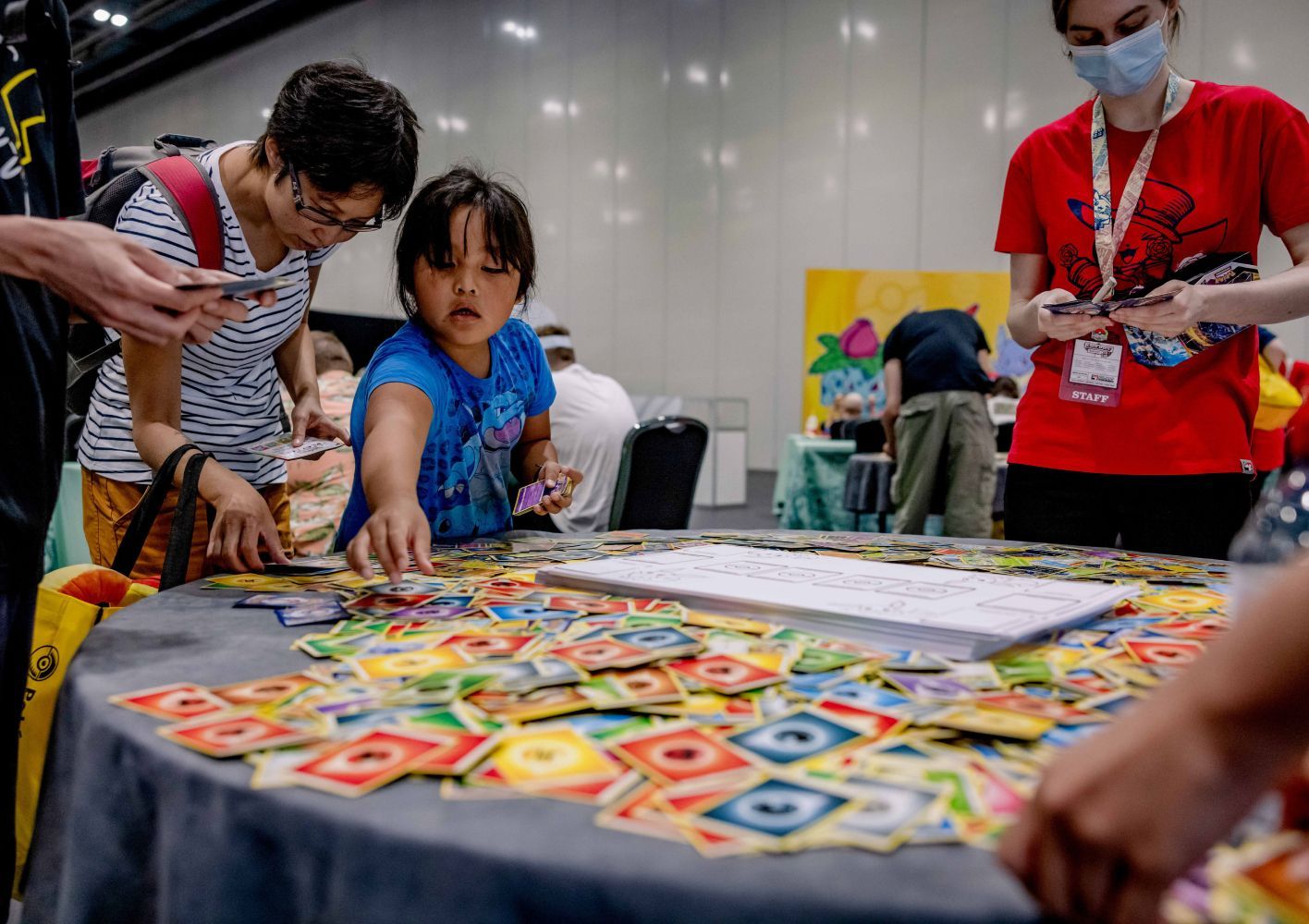
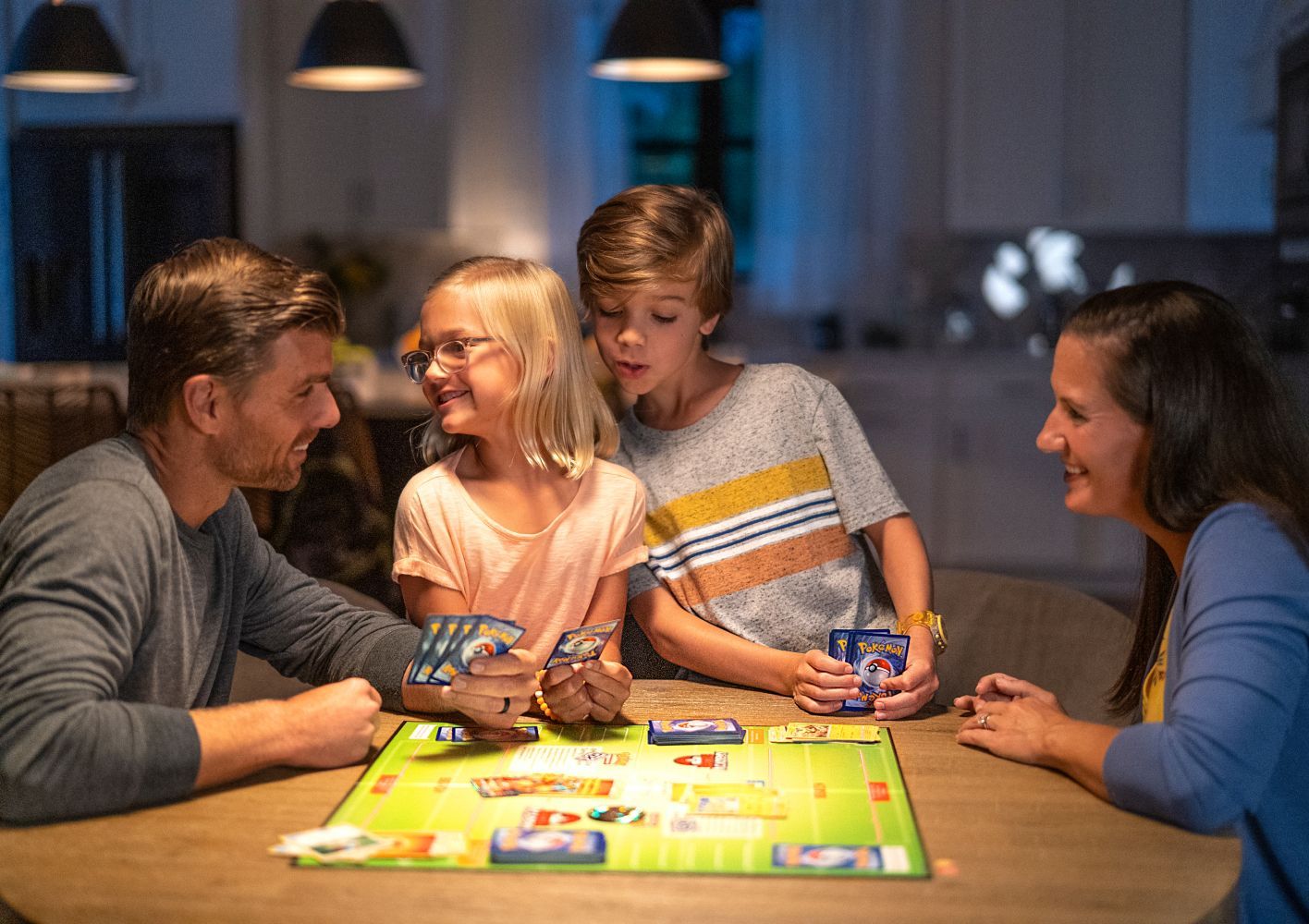
The booster pack is on the kitchen table. Before the child reaches for it, Dad props up his phone and checks the frame. His son opens the wrapper, pauses at the rare card, and studies the artwork.
"Show it to the camera," Dad says. "Act surprised. This one's worth a lot."
The boy gives a second reaction, louder this time. Dad uploads the clip while the cards are still spread across the table. Then he slides the rare card toward his own collector box. The child keeps looking at the common card with his favorite Pokémon on it.
Nobody planned to spoil the moment. Dad wanted to preserve a memory and share the excitement. Still, four decisions were made as if they were one: opening the pack, filming the child, posting the video, and deciding who owns the cards.
Families can separate those choices with a simple practice: Camera Before Cards. Ask about the camera before the wrapper opens. Explain what posting means in plain language. Decide who will own the cards. Let the child react without coaching. Ask again before anything goes online.
Why the camera changes a pack opening
A booster pack already carries pressure. The contents are hidden, some cards are scarce, and online prices can turn one pull into a miniature financial event. A camera adds an audience before the child has decided what the card means to them.
The Pokémon Company's official parent guide gives families a wider picture of the hobby. Children can collect favorite Pokémon, enjoy different art styles, share and trade with friends, learn the game, and play with family. Those are materially different ways to value a card. A child's quiet interest in the picture or desire to put the card into a deck is a valid response, even when an adult knows its market price.
Filming can move the child's attention away from that first response. They begin watching the adult behind the phone. Was the smile large enough? Should they shout? Is the expensive card the only one that deserves excitement? The pack becomes a performance test.
Posting creates a second problem. The Digital Wellness Lab at Boston Children's Hospital explains in its research brief on parents sharing children's content that online posts create privacy and digital-footprint concerns. The brief summarizes research finding that adolescents commonly want parents to ask permission before posting about them. It also reports that young people can view a parent's motive differently when sharing appears designed to manage the parent's public image.
That doesn't mean every family video is exploitative. A private clip sent to Grandma carries a different audience and purpose from a public channel built around reactions. The point is to name the difference before the child is on camera.
What parents and adult collectors should avoid
Don't treat opening as permission to film. A child can want the pack and decline the camera. Buying the product doesn't purchase a performance.
Don't bundle filming with posting. Agreeing to record a private memory doesn't automatically mean agreeing to YouTube, TikTok, Facebook, Instagram, or a public group.
Don't rehearse the reaction. Asking for another take or a bigger expression teaches the child that honest delight is less useful than content.
Don't price the pull before the child sees it. Give them a moment to notice the art, character, texture, or game effect. Price can be discussed later if it matters for storage or trading.
Don't blur the child's cards into an adult collection. If the adult paid for the pack, ownership can still be clear. Decide before opening whether the cards belong to the child, the adult, or a shared family pool.
Don't post first and ask afterward. Once a clip is online, copies and screenshots may move beyond the original audience. Permission belongs before upload.
Don't bargain with a no. "Come on, people love your reactions" turns a request into pressure. A real choice includes an easy refusal.
Use Camera Before Cards
The framework works with Pokémon, Magic, Lorcana, Riftbound, sports cards, or any collectible opening where a child and camera share the table.
1. Ask three separate questions
Start before the pack is visible in the camera frame:
1. Do you want to open this pack?
2. Do you want me to film you opening it?
3. If we like the video, may I ask later about sharing it?
A yes to one question doesn't fill in the others. The child can open without filming. They can film a private clip and decline posting. They can also stop the recording halfway through.
Keep a private-opening option ready. Put the phone away, silence it, and let the child open at their own pace. This option should feel normal, not like a punishment for refusing to perform.
2. Explain the audience before recording
"Online" is too vague for many children. Name the proposed audience.
"This would go in our private family chat with Grandma and Uncle Ben."
"This would go on my public card channel. People we don't know could watch it."
"I may earn money from the channel, though this video may earn nothing."
The explanation should match what the adult actually plans to do. If monetization, sponsorship, affiliate links, or shop inventory are involved, say so. The child's appearance should never hide inside an adult business arrangement they cannot see.
Age and maturity matter. A young child may be able to say that they dislike the camera while having little grasp of a permanent public post. The adult still carries responsibility for privacy and safety. Asking is a floor for respect, not a transfer of the whole decision to the child.
3. Decide who owns the cards
State the rule before the wrapper opens:
"These are your cards. I can help you protect or trade them."
"This box belongs to the family. We will choose together which cards go into decks."
"I'm opening inventory for my shop, and you are helping me. The cards remain store inventory. You can choose one regular card to keep."
Clear ownership prevents the rare pull from changing the deal. It also keeps adult excitement from quietly overruling a child's expectation.
Once the pack is open, let the child sort by their own first interest. They may choose favorite art, playable cards, funny names, shiny treatment, or monetary value. The official Pokémon parent material explicitly recognizes collecting favorites, art, sharing, trading, and play. Adults do not need to flatten all of that into resale price.
4. Let the first reaction belong to the child
Keep prompts simple. "What do you like?" leaves room for an honest answer. "How much do you think that's worth?" directs attention toward the adult's scale.
Don't ask for a second surprise. If the child is quiet, keep the quiet footage or don't use it. If they care more about a common card, follow their interest. The purpose of a family memory is to remember the person who was there.
The same rule applies when siblings or friends appear. One child's permission cannot cover every face, voice, name, school logo, house detail, or card belonging visible in the frame. Check with each family before recording or posting.
5. Reconfirm before posting
Watch the clip together after the excitement settles. Ask:
"Do you still want this shared?"
"Is there any part you want cut?"
"Are you comfortable with these people seeing it?"
A child who agreed in the moment may feel differently after seeing their face or hearing their voice. Respect the later answer. The Digital Wellness Lab's review makes permission central because children develop their own privacy preferences and may see family sharing differently as they grow.
Give the child a standing way to withdraw permission. For example: "If you want it removed later, tell me and I will take down the copy I control." An adult cannot promise to erase every copy from the internet. They can promise a prompt response and honest limits.
When the video is already online
Repair can begin without a defensive speech.
Say, "I posted that before giving you a real choice. I'm sorry. Do you want me to remove it?"
Then act on the answer. Delete the post if requested. Stop recycling the clip into compilations or shorts. Check whether the image became a thumbnail, profile banner, pinned post, or shop promotion. If money was earned through the child's appearance, handle that openly and seek appropriate legal or professional guidance for the family's location. This guide cannot settle jurisdiction-specific child-performer rules.
The conversation also needs an ownership check. If a rare card moved into an adult binder after the child expected to keep it, restore the original agreement or make a fair repair the child can understand. A card's price doesn't cancel a promise.
Parents do not need to treat one mistake as proof that all filming must end. A repaired habit can be stronger: private by default, specific permission, no coached emotion, and a clear route to remove a post.
Keep the memory larger than the content
For families, the deeper issue is stewardship. A parent holds more power, understands the audience better, and may control the money, account, and collection. Good stewardship uses that power to protect the child and tell the truth about adult incentives.
Friends and relatives should follow the same covenant. An uncle with a card channel doesn't gain posting permission because the child opened a pack at his table. A birthday guest doesn't become background footage by entering the room. Ask, explain, and accept no cleanly.
Faith enters this guide in ordinary ways: honesty about money, restraint when attention is available, and care for a person who has less power in the moment. The rare pull is exciting. It isn't more important than the child's trust.
Final takeaway
A Pokémon pack opening can become a treasured family memory without becoming public content. Separate the decisions: opening, filming, posting, and ownership.
Ask before the wrapper opens. Explain the audience. Keep a private option. Let the child's real reaction stand. Decide who owns the cards. Reconfirm before uploading and honor a changed answer.
The child is a player and collector with a voice. Keep the camera in its proper place, and the cards can remain part of a shared hobby instead of turning the child into part of the product.
Continue exploring Family coverage from Crosspad Gaming.