Unstable Games spins up Ordinary Magic around designer Marceline Leiman
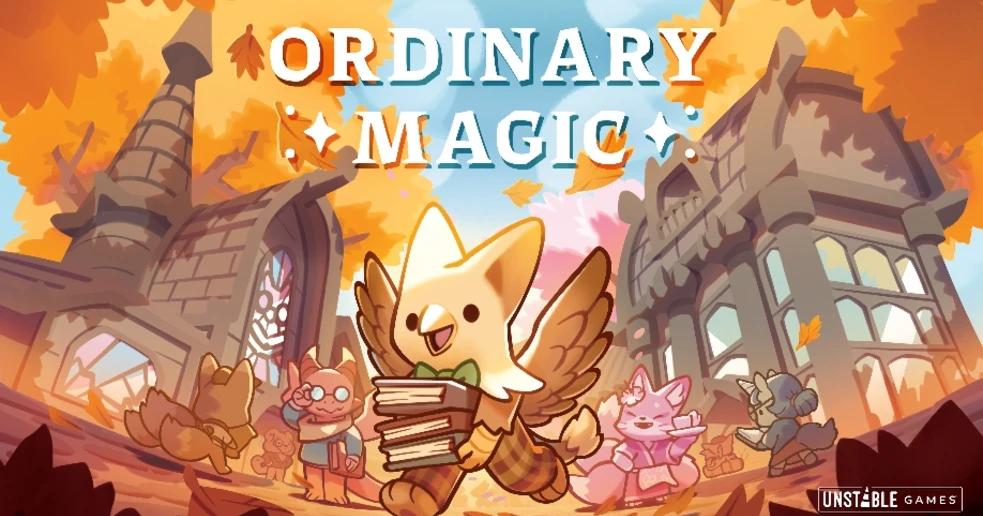
Unstable Games is building its next tabletop push around a new studio name and a specific designer voice. BoardGameWire reports that the publisher behind Unstable Unicorns has launched Ordinary Magic, a studio led by Marceline Leiman and aimed at light strategy board and card games in a shared whimsical world. The official Gamefound preview backs up the core pitch: three new games, one larger world, and a campaign from Unstable Games and Ordinary Magic.
That matters because this is a different kind of announcement from a simple crowdfunding teaser. The public details are still limited, so the safe read is narrow. Ordinary Magic is a studio identity and campaign brand, with Leiman placed at the center of the creative direction. It gives families and casual strategy groups a reason to watch, while also giving them a reason to wait for actual gameplay details before treating the project as a sure thing.

What has been announced
BoardGameWire says Ordinary Magic is a new studio under Unstable Games, with Leiman shaping the creative direction and designing every game for the first several years. The Gamefound page confirms the campaign as Ordinary Magic by Unstable Games, with the public pitch built around "3 New Games, 1 Extraordinary World." That is the confirmed frame. The campaign page establishes the project and the parties involved. BoardGameWire adds the trade context around why the studio launch is notable.
Leiman's own site fills in the credential side without forcing the article to rely on publisher praise alone. It lists her as a tabletop game designer, developer, and educator, with a lead designer role at TeeTurtle and credits that include High Tide and Dino Racer. It also lists recognition from the Diana Jones Emerging Designer Program. Those details help explain why Unstable Games would put a designer name up front, especially for a line pitched around an authored world.
For readers who only know Unstable Games through party-card games, this gives the announcement a clearer shape. Ordinary Magic appears to be aiming for accessible strategy, not heavy simulation. The useful question for a family table is whether that means welcoming choices, quick teaching, and replayable decisions, or whether the campaign language is carrying more weight than the early details can support.
Why this is a board game story to track
A designer-led studio can be healthy for tabletop. It gives players a person and a design philosophy to follow instead of a faceless product line. That can build trust when the designer has visible credits and a public body of work. It can also create a stronger sense of responsibility, since a studio promise tied to one creative voice has less room to hide behind generic brand language.
There is also a stewardship angle here. Crowdfunding pages often sell possibility before players can study rules, table time, component quality, or long term support. Ordinary Magic may become a natural fit for families that want light strategy with charm. It may also need patience from buyers until Unstable Games shows how the three games differ, how interactive they are, and whether the shared world adds meaningful play value.
For parents, the practical concern is simple: charm lowers the guard. A whimsical world can make a game feel safe and easy to buy, especially when the publisher already has mass-market name recognition. That is a reminder to check the actual fit. Age range, session length, reading load, conflict level, and repeated expansion pressure matter more than the softness of the art direction.
This is also useful coverage for Crosspad's boardgames lane because it centers a creator and a family-weight product promise. The loudest daily signal usually comes from video games. A smaller studio launch can still serve readers when it helps them understand what might reach their table next season.
What to watch next
The next useful milestone is the campaign's full reveal. Players should look for a clear rule overview, player counts, playtime, examples of turn structure, and whether each game stands on its own. If the line is built as a shared world, the campaign should explain what carries across the games. Shared art direction is pleasant. Shared design purpose is what makes the studio idea matter.
Crosspad will treat Ordinary Magic as a watchable boardgames-lane story, especially because it gives the site a chance to cover family-weight strategy without chasing only the loudest video game feed. The right posture is hopeful and patient. Unstable Games has a recognizable audience. Leiman has a visible design background. Now the project needs to show the games.
Sources
BoardGameWire: BoardGameWire
Unstable Games / Ordinary Magic: Unstable Games / Ordinary Magic
Marceline Leiman: Marceline Leiman
Continue exploring Boardgames coverage from Crosspad Gaming.