
The Body in the Mage Tower turns Frankenstein into an investigation-first 5e adventure
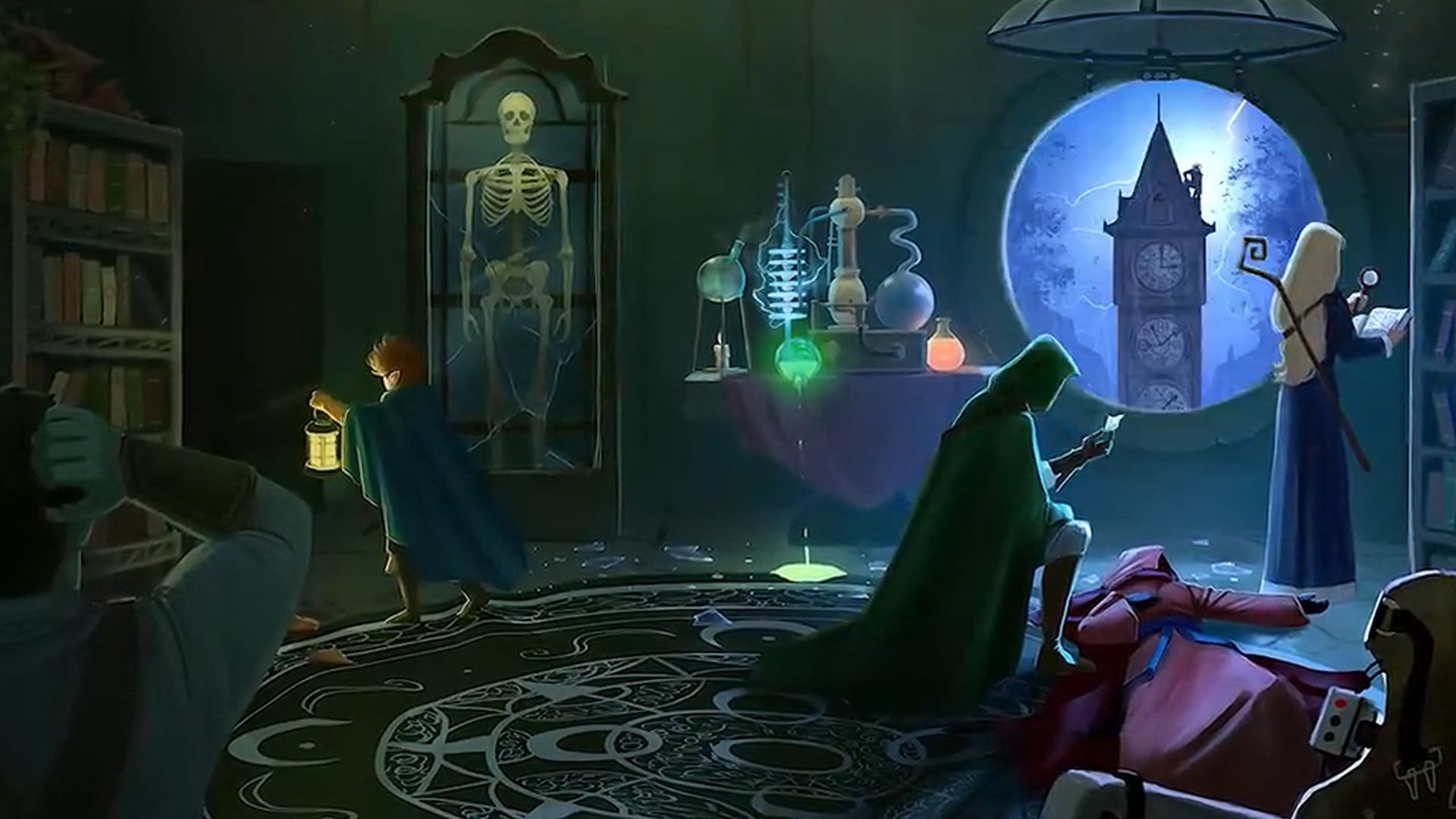
Midnight Tower's The Body in the Mage Tower takes a familiar gothic idea and gives it a useful tabletop job. The 80-page adventure sends a fifth-edition party into a murder investigation shaped by Frankenstein, then builds the session around witnesses, physical clues, and people with reasons to hide the truth.
That focus could make the book appealing to groups whose fifth-edition campaigns keep drifting toward the same combat rhythm. The reporting from Wargamer and Geek Native describes an adventure where conversation and careful observation carry real weight. A creature still stalks the setting, so danger has not disappeared. The mystery gives that danger a structure beyond clearing rooms and counting hit points.
A murder in Coppertown
Wargamer reports that Dr. Ivan Mortenberg calls on old adventuring friends for help. When they reach Coppertown, they find him dead. The party has to work out what happened while a creature stalks the town. That is a clean opening for a one-shot or short arc because it gives the characters a personal connection, a crime scene, and an active threat from the start.
Geek Native adds the details that determine how the mystery may play at the table. The adventure includes eight non-player characters with backgrounds and hidden agendas. Players are expected to conduct interviews, navigate social encounters, and collect physical clues. Those elements give a game master several ways to move the investigation forward without reducing the whole story to a single skill check.
That design puts responsibility on the game master. Hidden agendas are useful only when players can notice contradictions, test stories, and recover from a missed clue. The mapped reports do not explain the adventure's clue redundancy or failure states, so buyers should keep that question open. An investigation can feel earned when evidence supports player judgment. It can also stall if progress depends on guessing the writer's intended path.
Built for several fifth-edition tables
Geek Native reports that the mystery is written primarily for level 7 characters, with encounters scalable from level 1 through level 20. The book also supports the 2014 and 2024 fifth-edition core rules, Tales of the Valiant, and Level Up: Advanced 5th Edition. A Pathfinder Second Edition conversion is described as straightforward.
That broad support makes the package easier to consider for established groups. A game master does not have to move an ongoing campaign to one exact level or one exact branch of fifth-edition rules before using the premise. Scaling encounters across twenty levels is still a large promise. Prospective game masters should expect to review creature pressure, clue access, and character abilities for their own party, especially at the extremes of that range.
The setup tools may reduce the first round of preparation. Wargamer says the package includes six premade characters and a free virtual-tabletop pack with maps, tokens, and digital play aids. Premade characters can help a group reach the mystery quickly, especially if the personal connection to Mortenberg is already built into those characters. The digital pack also gives online groups concrete assets for running Coppertown without creating every map and token themselves.
What families and group leaders should consider
The central premise is a murder wrapped in gothic horror. A creature hunts the town, and the story draws directly from Frankenstein. Parents and game masters should treat that as the first content check. The reports establish the tone and structure, though they do not provide a complete content inventory. Groups sensitive to body horror, death, or sustained suspense will need more detail before choosing the adventure.
The investigation focus may also create a good kind of table pressure. Players have to listen, weigh testimony, and decide whom to trust. Those choices can reward patience and shared reasoning. A game master can encourage that strength by making room for every player to contribute, including players who are quieter during improvised interviews. Mystery play works best when social confidence at the table is not confused with a character's intelligence or insight.
There is also room for moral texture without turning the session into a lecture. Hidden agendas, responsibility for a death, and fear of a dangerous creature naturally bring questions of truth, loyalty, and justice into play. The useful measure is how the adventure handles those choices in practice. Groups can look for consequences that take wrongdoing seriously while still leaving room for mercy, confession, or repair when the story supports them.
The practical buying question
The Body in the Mage Tower has a clear audience: fifth-edition groups that want a gothic case to solve and game masters who value ready-made characters and virtual-tabletop support. The strongest reported feature is the combination of an accessible setup with investigation-heavy play. The broad level scaling and system compatibility expand where the adventure might fit.
The open questions concern execution. Neither mapped report tells us how resilient the clue structure is, how graphic the horror becomes, or how much conversion work Pathfinder Second Edition actually requires. Those are good reasons to read the finished material carefully before putting it in front of a family group.
For now, the premise is specific enough to judge. This is a murder mystery with a pursuing creature, eight suspects or witnesses carrying hidden agendas, and tools meant to get a group playing quickly. If that sounds like the change of pace your table needs, the adventure deserves a closer look. If your players want tactical combat first or prefer lighter material, the Frankenstein frame and interview-driven structure may be a poor fit.
Sources
Wargamer: The Body in the Mage Tower adventure
Geek Native: The Body in the Mage Tower launches on Kickstarter
Continue exploring TTRPGs coverage from Crosspad Gaming.