Gen Con's Camilla Cleghorn hire is about tabletop scale and trust
Why the events role matters
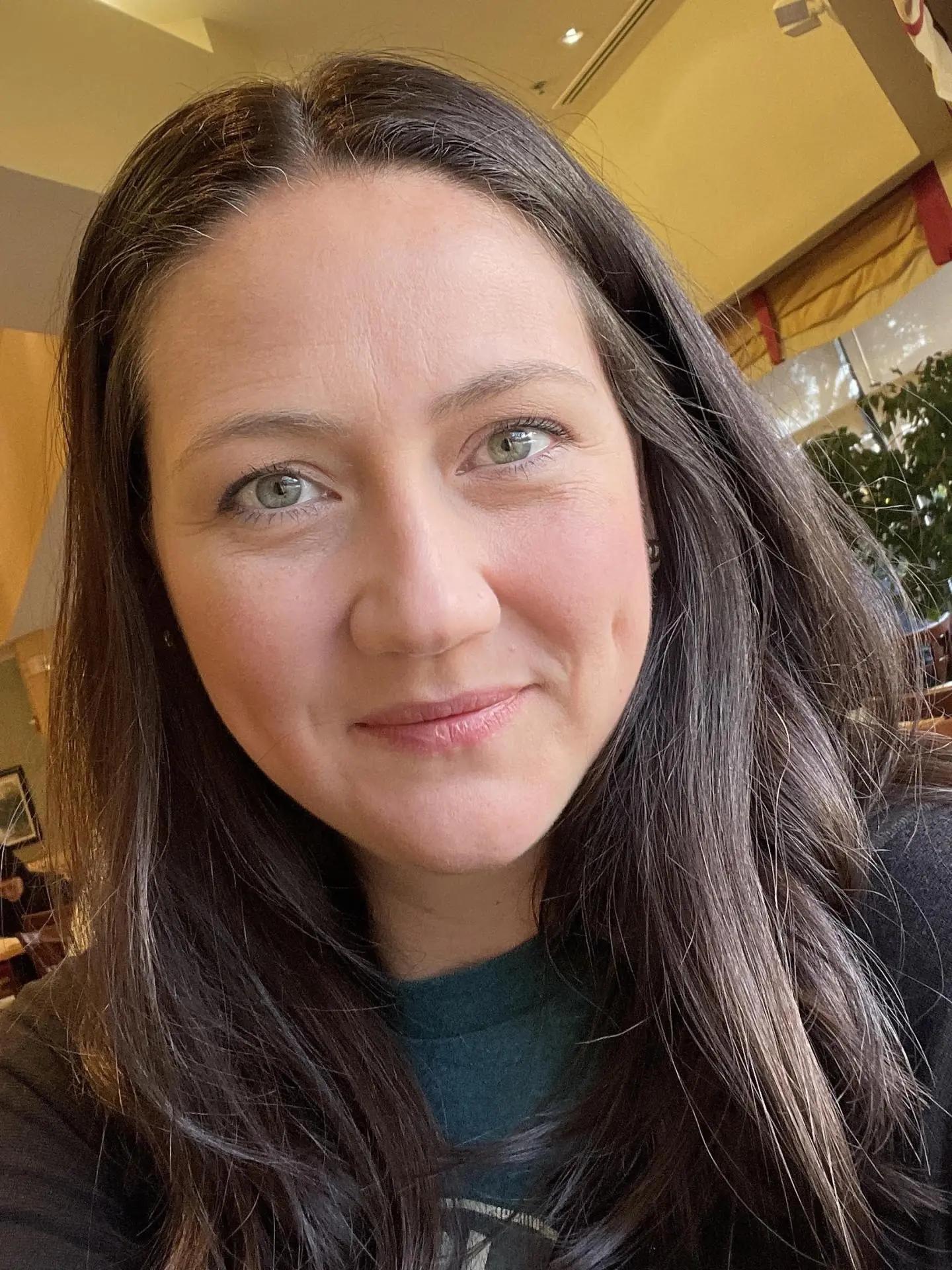
Gen Con hiring Camilla Cleghorn as Head of Events is a personnel story on the surface. For tabletop players, it is really an operations story. BoardGameWire reports that Cleghorn, known to many players from The Dice Tower and convention work, will lead event programming and support the organizers behind thousands of events. DDO Players corroborates the move and ties it to her community-facing tabletop background and Gen Con's 74,000-attendee scale.
That scale is the point. A convention can be beloved and still become hard to use. Families, first-time attendees, disabled players, youth groups, church friends, local clubs, and small publishers all feel the effects when registration, room assignments, communication, crowds, and event support strain under growth. The head of events role shapes whether a massive show feels like a living community or a maze with badges.
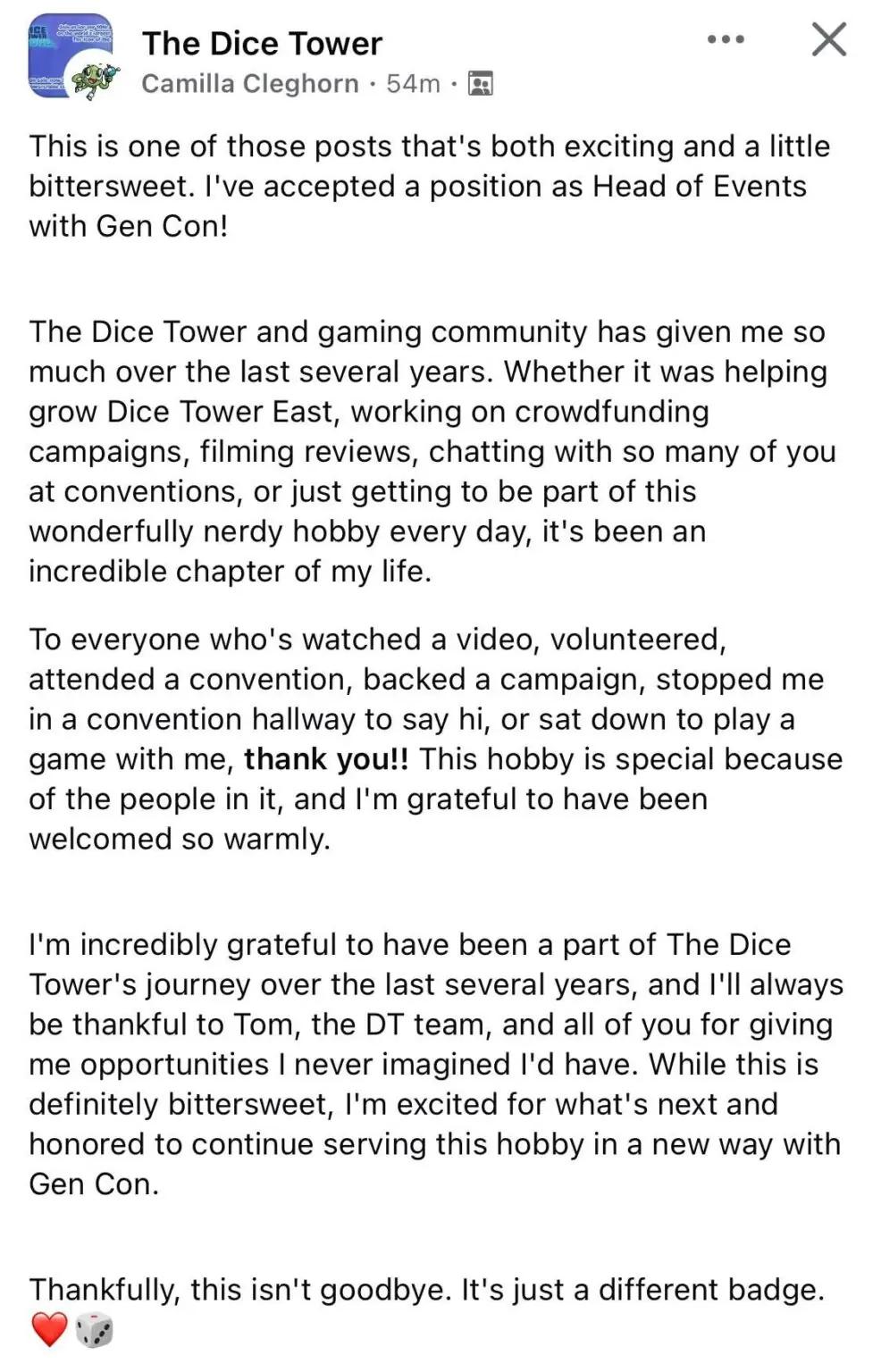
BoardGameWire's interview context gives the hire more substance than a simple announcement. Cleghorn describes the opportunity in terms of welcoming more people while scaling systems, communication, and partner support. That is exactly where a convention either earns trust or burns it. Tabletop events are unusually dependent on volunteers, small organizers, and community goodwill. If the system fails them, the attendee experience falls apart even when the exhibitor hall looks successful.
What families and creators feel
For parents, the practical questions are concrete. Can a family plan events without living in the registration system for days? Are age expectations and table content clear enough? Can a teen find a safe, well-run demo? Are late changes communicated in time? Are crowds routed in a way that helps anxious or younger attendees? Those details sound mundane until a family has spent travel money, hotel money, badge money, and a full day trying to recover from a broken schedule.
For players, better event leadership can mean more than smoother logistics. It can help smaller games get room beside the giants. It can help demos run on time. It can give game masters clearer support and reduce the hidden labor that makes convention tables happen. It can also shape whether a giant convention remains welcoming to the kind of ordinary hobbyist who comes for one campaign session, one board game demo, or one chance to play with strangers who become friends for four hours.
For small publishers and independent creators, event programming can make or break the trip. A clean schedule gives them a chance to teach the game, meet real players, and leave with useful feedback. A confused schedule turns a booth or demo table into wasted travel. That matters because tabletop culture depends on more than the largest brands. A healthy Gen Con should give smaller tables a fair shot at being found.
Crosspad take
The faith and family angle here is trust. Tabletop communities depend on hospitality. That does not require religious language to matter. A good event system tells people they were expected, guided, and treated with care. A bad one tells them they are on their own after payment clears. Gen Con is too large for charm alone. It needs systems that protect the human parts of the hobby.
Cleghorn's Dice Tower background also matters in a modest way. Media work is not the same as operations work, yet it can build a useful ear for what ordinary players ask, where new gamers get confused, and how convention excitement looks from outside the staff room. That community fluency should help if Gen Con turns it into clearer communication and better organizer support.
There is also a category reason to cover this. Boardgames and tabletop culture are not only product announcements. They are conventions, clubs, teachers, demo tables, families hauling backpacks through crowded halls, and volunteers making sure a stranger's first RPG session is not a mess. If Crosspad only covers boxes and releases, it misses the infrastructure that makes those games playable.
None of this means one hire can fix every pressure around a record-sized convention. Attendance growth brings hotel strain, cost pressure, accessibility needs, exhibitor demands, and scheduling complexity. Cleghorn's role matters because it sits where those pressures become daily attendee experience. If Gen Con wants to keep growing without losing its welcome, event leadership is one of the right places to start.
The takeaway for Crosspad readers is simple: watch how Gen Con communicates and runs events next. A familiar tabletop media name is nice, and Cleghorn's community background gives the move credibility. The real test will be whether families, GMs, small publishers, and first-time attendees feel the difference when planning and playing at the show.
Sources
BoardGameWire: BoardGameWire
DDO Players: DDO Players
Continue exploring Boardgames coverage from Crosspad Gaming.