

FM27 and Christian Leadership: Tactical Fit Is Not Human Worth
Commentary: Football Manager 27’s advertised training systems offer a useful distinction between pursuing excellence and making people serve a manager’s vision.
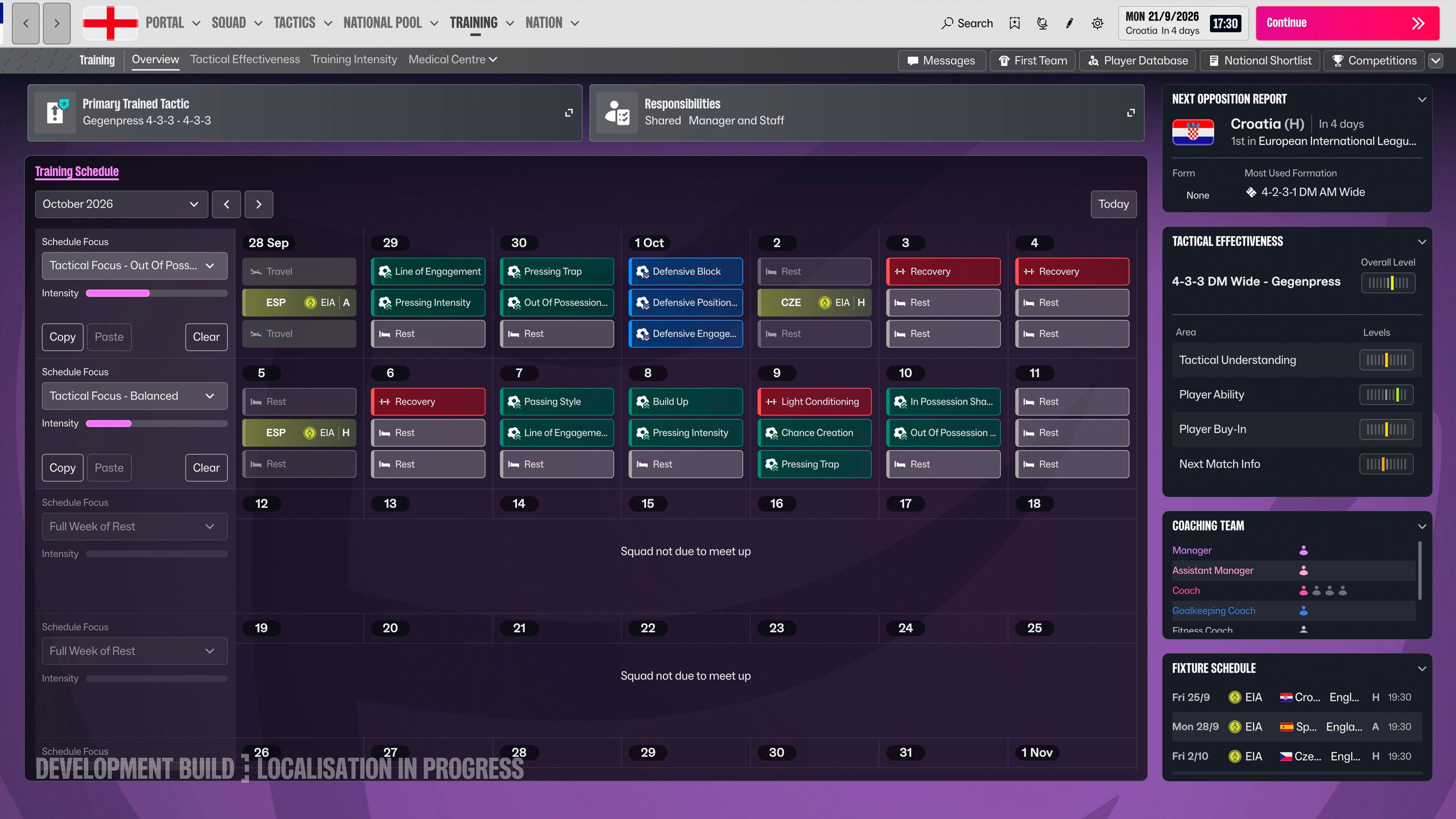
Football Manager 27’s advertised Tactical Effectiveness system puts a familiar managerial question into focus: can this squad deliver the football you want to play? Ahead of its listed November 10, 2026 release, the official explanation connects that assessment with training, recruitment and the complexity of a manager’s instructions. For Christian players, the interesting point is not that evaluating performance is suspect. It is that a manager’s vision may need to change, too.
Our judgment is that Christians can welcome role-specific assessment without confusing usefulness with human worth. FM27’s advertised design offers a concrete occasion to explore that distinction: it makes room both for choosing suitable players and for developing them, while acknowledging limits on what a squad can execute. That is an illustration for thinking about real leadership, not a claim that simulated footballers are our neighbors.
What the tactical assessment actually measures
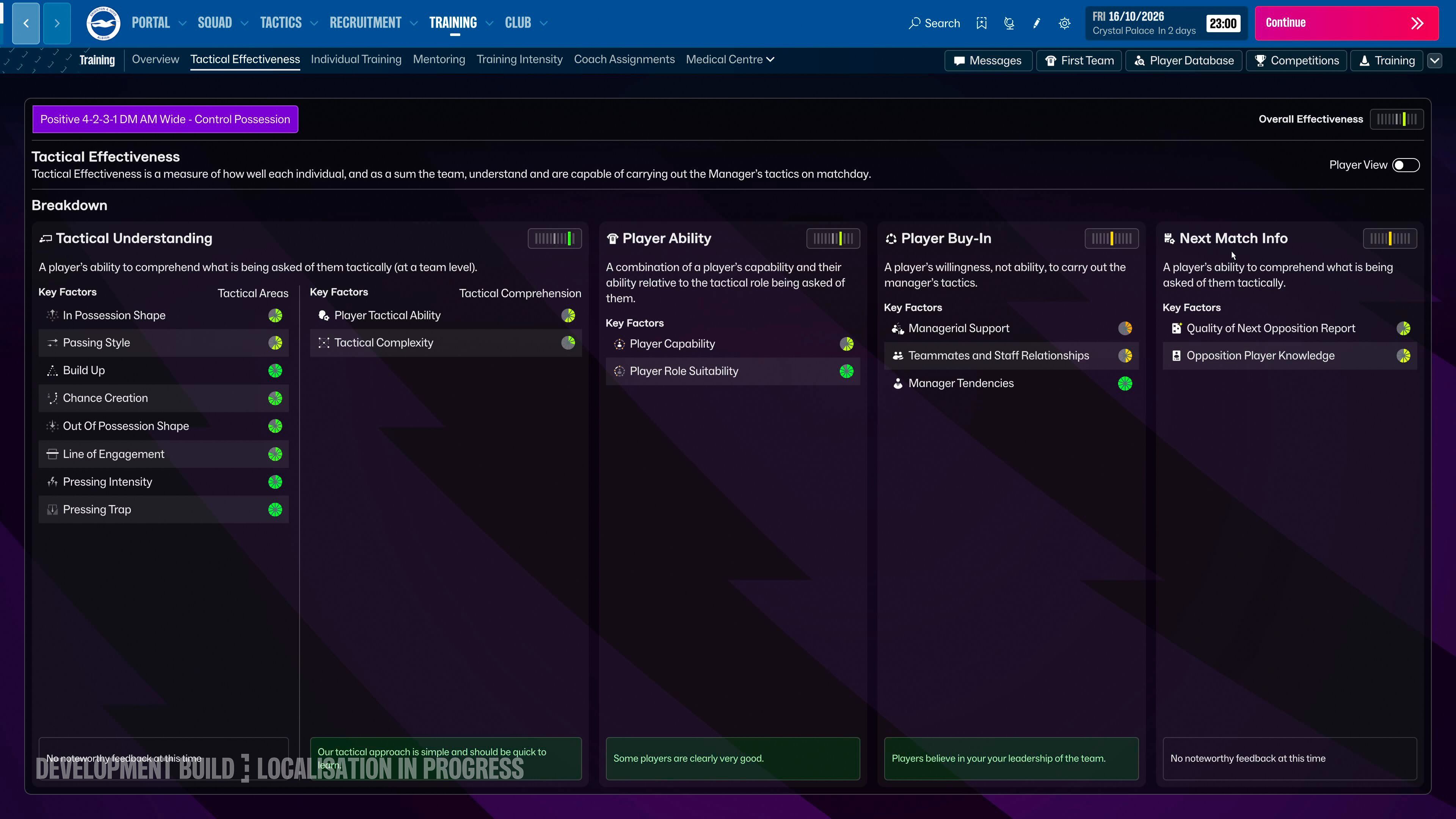
According to the official design article, Tactical Effectiveness has four core areas: Tactical Understanding, Player Ability, Player Buy In and Next Match Information. Its gauges indicate how comfortable a team is with tactical instructions and how likely it is to execute them well. That is a narrower and more useful question than whether a player is valuable in some absolute sense. A measure of suitability for a task need not pretend to measure everything that matters.
Genesis 1:27 supplies the distinction that a performance gauge cannot. Within the creation account, humanity bears God’s image; human dignity does not begin with an employer’s assessment or a coach’s selection. Applied to real leadership, that means we can judge someone unsuited to a responsibility without judging that person beneath our concern. The conflict arises when we treat usefulness to our plans as the measure of another person’s worth, not when we honestly assess competence.
There is a strong objection to bringing that concern into a football simulation: selection is the point. FM27’s promotion explicitly includes both backing an academy prospect and selling a star who does not fit the manager’s vision. Its tactical gauges assess execution, not dignity. A Christian can make those fictional decisions without endorsing contempt for actual people, and refusing to distinguish between stronger and weaker fits would hardly amount to good management.
That objection is right as far as it goes. Nothing in these advertised choices makes selling a player a moral offense. Nor should a sporting simulation be faulted merely for asking players to select a competitive team. The more fruitful question is whether leadership means only finding people who fit our preferred system. FM27’s own explanation complicates that picture by asking managers to adapt their instructions and invest in development.
Three decisions that qualify the manager’s vision
First, reconsider the plan. The official FAQ says a detailed tactical approach may be ineffective in lower divisions, and describes Tactical Complexity as a way to adapt to the job and competitive level. The practical implication of that advertised design is that an ambitious set of instructions is not necessarily an appropriate one. Before concluding that the squad is the problem, a manager has reason to ask whether the demands themselves are suitable.
That possibility makes a useful illustration of Jesus’ teaching in Mark 10:35–45. Responding to James and John’s request for places of glory, Jesus contrasts domineering rulers with greatness expressed through service. He is teaching his disciples, not prescribing a football formation. Still, for Christians exercising real authority, the implication is searching: a leadership role is not simply permission to make others enact our ambitions. Revising an unsuitable plan can serve those entrusted to us rather than merely defend our status.
Second, distinguish readiness from potential. Sports Interactive’s explanation says recruitment involves weighing whether a target can contribute immediately or needs time to learn new concepts. Individual training can also help players learn new traits and positions. Those advertised options make a useful distinction: someone who cannot perform a role now may be someone worth developing. They do not establish that patience is always the best in-game strategy, but they give development a concrete place alongside selection.
Third, acknowledge competing needs. The developer describes young-player development as a balance between long-term individual training and the immediate need to win matches. Neither objective simply disappears. This is more interesting than a choice between being kind and being competitive: the described decision requires a manager to consider what present demands may leave less room to pursue over time.
Philippians 2:4 tells believers to attend to others’ interests as well as their own, within Paul’s appeal for unity shaped by Christ’s humility. Applied to real management, that challenges us to consider a person’s development rather than only the contribution we need today. It does not abolish responsibilities to a team or require unlimited investment in every candidate. It does mean that pursuing our objective is not a sufficient reason to disregard everyone else’s interests.
These are judgments about the advertised design, not conclusions from playing the finished game. The official article cautions that its demonstrated gameplay comes from a development build and may change before release. Its descriptions give us decisions to examine, not proof of how well the systems will balance them.
For Christian players, the useful conclusion is neither to reject tactical measurement nor to turn every transfer into a moral examination. Enjoy the challenge of selecting, training and adapting. But when considering what good leadership means beyond the simulation, keep the categories straight: competence can be assessed, plans can be revised, and people can be helped to grow. Their dignity is not something a successful manager awards them.
Sources
Continue exploring Video Games coverage from Crosspad Gaming.