

Phantom Blade Zero: Admire the Craft Without Worshiping Mastery
Commentary: Its promise of approachable martial combat invites appreciation of skill, but neither player proficiency nor beautiful choreography is a measure of moral goodness.
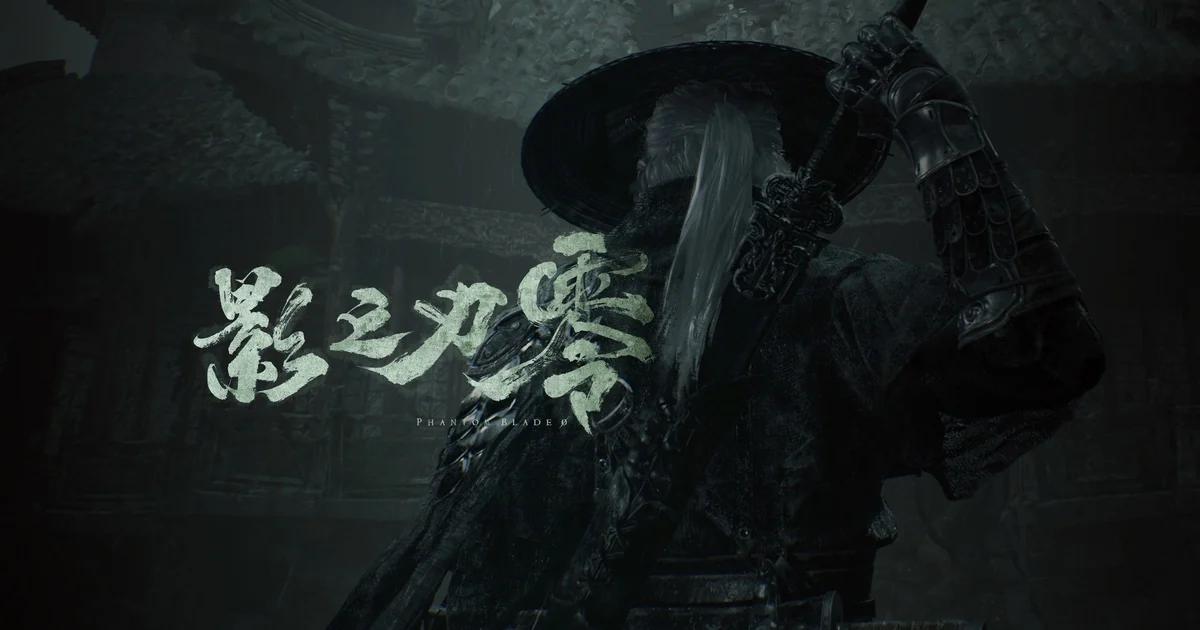
Phantom Blade Zero is available, and its advertised invitation is appealing: learn its combos readily, then discover the depth through practice. For Christians interested in demanding action games, that is worth taking seriously. Learning a well-made system and appreciating martial choreography need not be guilty pleasures. But we should keep two distinctions clear: playing skillfully does not make someone worth more, and depicting violence skillfully does not make that violence good.
The Steam listing presents dodging, deflection, counters and attacks as parts of an integrated flow, alongside combos advertised as approachable but rewarding to master. The attraction is not simply a larger collection of attacks. It is the prospect of learning how defensive and offensive actions fit together. That is a design promise, however, not proof that every player will find the controls intuitive or that the game meets every accessibility need.
IGN reviewer Travis Northup offers some support for that promise: he reports that the parry and dodge mechanics quickly felt natural. More importantly for the way we talk about mastery, he credits encounter design for helping him anticipate attacks rather than claiming extraordinary reflexes. His account suggests a useful way to appreciate successful play: not only as a personal achievement, but also as evidence of designers making an encounter understandable.
That praise is not the whole picture. Eurogamer's Emma Kent admires the cinematic movement and choreography while finding many bosses excessively durable, even after lowering the difficulty. She also notes that a late review-period update left too little time for a complete replay. Her criticism therefore deserves both attention and its proper limits: it qualifies the promise of approachable combat without establishing the balance of every subsequent version. Readers should not mistake an inviting combat vocabulary for a guarantee that every encounter will feel rewarding.
Mastery without superiority
The listing's emphasis on advanced mastery can reasonably describe depth beyond the basics. It does not establish an intention to exclude anyone. Still, Christians should resist turning that distinction between beginner and expert into a hierarchy of human worth. We may enjoy becoming more proficient without treating someone else's struggle, or decision to lower the difficulty, as a character defect.
In 1 Corinthians 4:6–7, Paul confronts factional pride surrounding himself and Apollos, challenging believers who boast as though what they have received originated with them. He is not discussing video games. Applied by analogy, though, his rebuke cuts against making performance a basis for superiority. Practice can deserve recognition without becoming grounds for contempt. Northup's acknowledgment of encounter design offers a modest, concrete example of giving credit beyond oneself.
That humility should change how we treat fellow players, not merely how we describe our own accomplishments. In 1 Corinthians 10:23–24, amid questions about idolatry, ordinary eating and conscience, Paul directs believers toward their neighbor's good rather than self-interest. The application here is not that fictional combat equals pagan worship. It is that helping another player understand an encounter is a better use of expertise than using it to belittle them. Difficulty can be a worthwhile preference without becoming a spiritual credential.
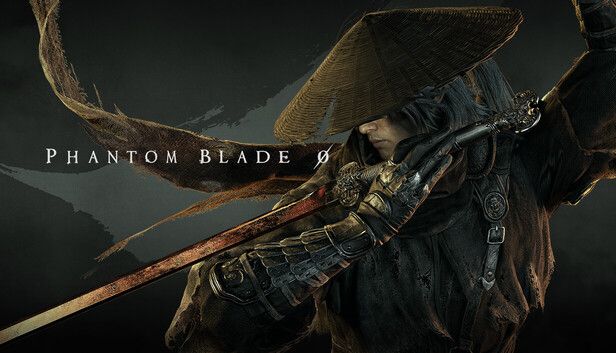
Beautiful execution is not moral approval
There is also a positive case for appreciating the artistry on display. The listing says wuxia cinema choreographers collaborated on the game's kungfu presentation, describes motion-capture technology, and claims its strikes and stances have roots in real martial techniques. Those are attributed claims, not independent proof of realism throughout its fantasy combat. Kent's praise nevertheless supports taking its movement and choreography seriously as craft. A Christian need not dismiss the skill of representing coordinated movement merely because it appears in a combat game.
The strongest objection is that separating craft from violence can become too convenient. Kent describes varied, surprising executions and combat that encourages aggression to unlock finishers. Here, the spectacle is not simply something a viewer watches at a distance: the player is encouraged to act within the fiction to produce it. Calling that choreography impressive does not settle whether the particular satisfaction being offered deserves our approval.
Philippians 4:8 provides a better standard than technical accomplishment alone. Within Paul's exhortations about life in the Lord, and immediately before his call to put his teaching and example into practice, he directs attention toward what is just and pure as well as lovely and commendable. Excellence in that setting has moral substance. Our application is that an elegant sequence cannot make cruelty commendable simply by executing it beautifully. Admiration should name what is admirable: timing, coordinated movement or visual composition, rather than treating the suffering represented as good because it is spectacular.
Yet that objection does not justify the opposite shortcut. A fictional execution, even one the player triggers, is not an actual act of violence; nor does an isolated finisher establish that the whole narrative endorses cruelty. The available descriptions warrant scrutiny of what combat rewards, not a definitive claim about the game's entire moral outlook or its effects on players. We should neither excuse everything under the label of artistry nor condemn the whole work from one kind of spectacle.
Our judgment is to appreciate Phantom Blade Zero's advertised craft precisely and pursue its challenges humbly. The contrasting reviews give readers reason to investigate whether its learning curve and boss encounters suit them, rather than treating persistence as a test of worth. Christians can enjoy improvement, credit the people who make expressive movement possible, and help less-experienced players. But where appreciation becomes delight in cruelty, technical excellence is no defense. That is a boundary for discernment, not a claim that Scripture supplies a universal verdict on this particular game.
Sources
Continue exploring Video Games coverage from Crosspad Gaming.