

Evercold’s Godless Realms Saga Calls for Questions, Not a Verdict
Commentary: Christians should distinguish rejecting false gods from rejecting the Creator before judging Final Fantasy XIV’s new story arc.
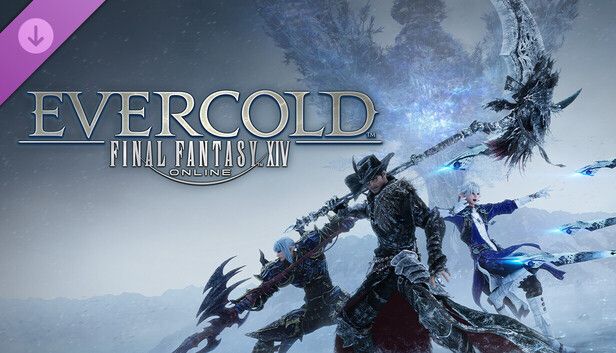
Square Enix is promoting Final Fantasy XIV: Evercold as a new Warrior of Light journey in the Godless Realms Saga. For Christian players, that name raises a legitimate question: what does “godless” mean here? Our judgment is that it warrants inquiry, not a verdict of atheism or a celebration of spiritual independence. Rejecting a false god and rejecting the Creator are profoundly different things, and the advertised name does not establish which idea this story will commend.
Square Enix’s April 24, 2026 announcement introduced the Evercold teaser as the start of that story arc and placed the Warrior of Light’s adventures on the Fourth. That supplies a fictional setting, but not a definition of its religious terminology. Neither the announcement nor the supplied Steam description establishes what “godless” means, what has happened to the setting’s deities, or whether the narrative endorses unbelief. Steam also warns that the content remains in development and subject to change.
Even the reported rescue premise cannot settle those questions. Game Informer’s Wesley LeBlanc describes the reveal trailer as a grandmother’s account of a frost-covered world saved by the Wanderer, identified in the article as the Warrior of Light. That is an outlet’s description of a trailer, not evidence that Evercold teaches human self-sufficiency. A hero rescuing a fictional realm does not, by itself, amount to a claim that humanity has no need of God.
The Creator is not another fictional deity
In Acts 17:24–25, Paul addresses an idol-filled Athens by identifying God as the maker and Lord of the world. God gives human beings life; he does not depend on their service to sustain him. This is not merely a preference for one powerful being over competing powers. Applied to Evercold, the distinction means that the limits or failures of fictional beings called gods would not establish anything about the limits of the Creator. Their shared label would not make them equivalent.
Paul makes a related distinction in 1 Corinthians 8:4–6. Discussing food offered to idols, he distinguishes so-called gods from the one God, the Father, and the one Lord, Jesus Christ. Christians therefore have no obligation to defend every fictional deity simply because a story calls it divine. If Evercold were to portray rejection of a false claim to godhood, that rejection would not automatically be anti-Christian. That is a conditional distinction, however, not a claim about a plot the inspected material has not established.
Nor does rejecting idols mean escaping moral accountability. In Acts 17:30–31, Paul’s address moves to a universal summons to repentance and God’s coming righteous judgment. The Christian alternative to idolatry is not spiritual independence. If Evercold were to commend freedom from all divine authority as humanity’s highest good, that would conflict with Christian belief. The saga’s name alone does not show that it makes this argument.
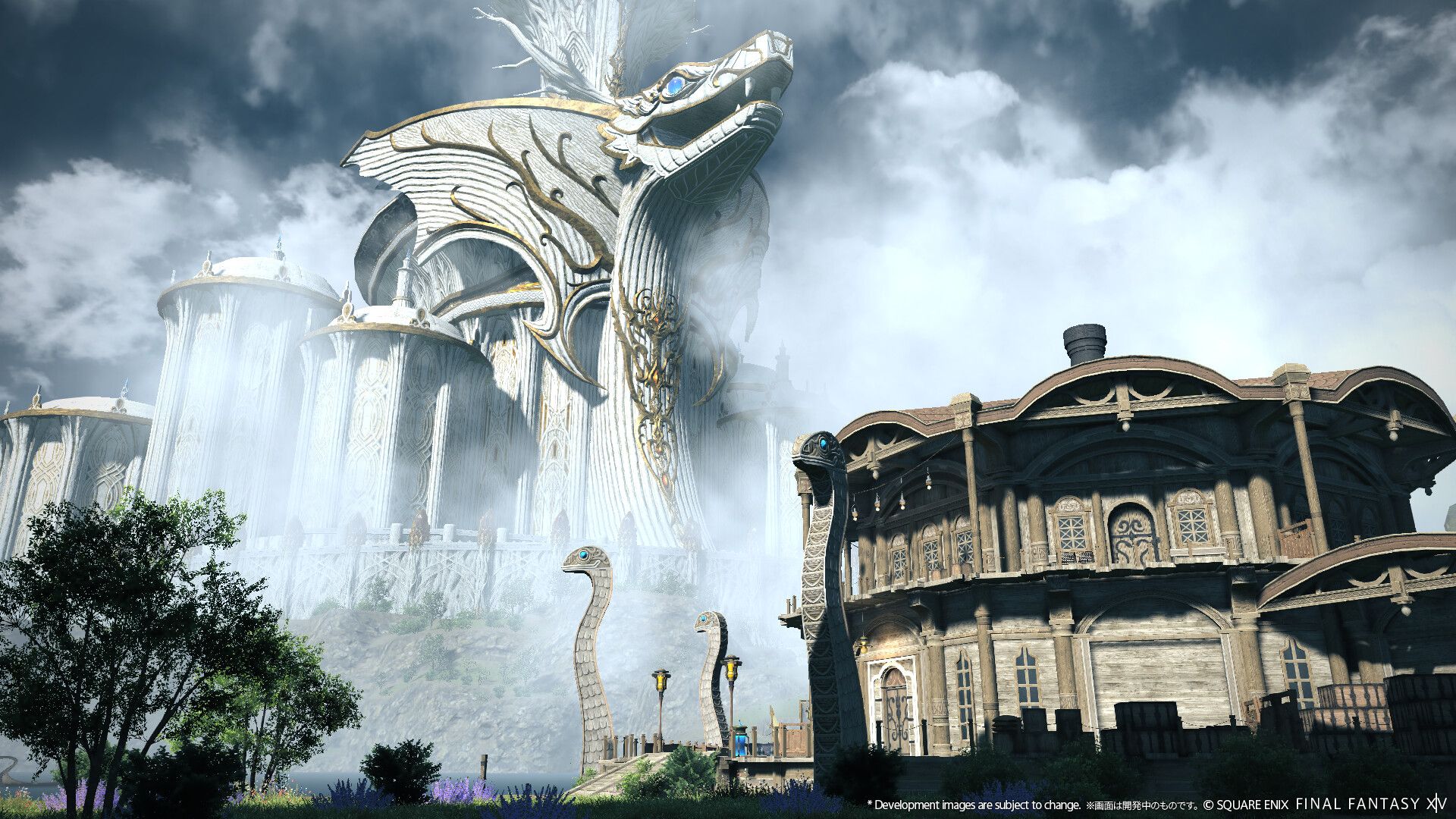
The serious objection: false gods are not harmless
A strong objection deserves more than reassurance: Paul’s denial that idols are truly gods does not make involvement with them harmless. In 1 Corinthians 10:14–22, he commands believers to flee idolatry and forbids participation with demons in the context of sacrificial meals. A Christian who worries that a reassuring distinction between true and false gods could excuse idolatry has a sound biblical concern. Actual religious participation cannot be justified simply by saying its object is not truly divine.
But that concern still requires careful application. Paul is addressing sacrificial participation, not establishing that every fictional depiction of religion is worship. We should distinguish a story showing idolatry, a player directing an action inside fiction, a narrative praising that action, and someone actually participating in religious practice. Those distinctions do not make every fictional action wise or every story harmless. They identify what needs examination. The supplied Evercold marketing establishes none of those more specific grounds for a verdict.
For that examination, three questions are more useful than a reaction to the title. What beings does “godless” refer to, and what claims do they make? What would rejecting them entail within the story? And what does the narrative commend: exposing falsehood, protecting others, or refusing accountability to any authority beyond oneself? A story could portray religious wrongdoing critically rather than endorse it. Conversely, a sympathetic hero would not make a celebration of idolatry or moral autonomy acceptable. These are tests for further evidence, not descriptions of confirmed Evercold scenes.
Conscience also deserves care without becoming a substitute for evidence. In 1 Corinthians 8:7–13, Paul warns knowledgeable believers against using their liberty in ways that become a stumbling block to others; the immediate issue is idol-associated food, not video games. In 1 Corinthians 10:23–33, he distinguishes ordinary eating from sacrificial participation and directs believers toward their neighbor’s good and God’s glory. Our application is that Christian players should neither pressure an uneasy friend to play nor turn an unresolved marketing phrase into a binding prohibition for everyone.
For now, withhold both condemnation and theological approval. Evercold’s advertised framing is a reason to pay attention to its eventual narrative judgments, not enough evidence for a blanket purchasing or conscience verdict. Christians can reject false gods without rejecting God, and they must reject actual idolatry without confusing every depiction with participation. Keeping those truths together will serve readers better than deciding the expansion’s worldview from its saga name.
Sources
Continue exploring Video Games coverage from Crosspad Gaming.