Dive or Die Makes Every Expedition Answer to a Forty-Day Clock
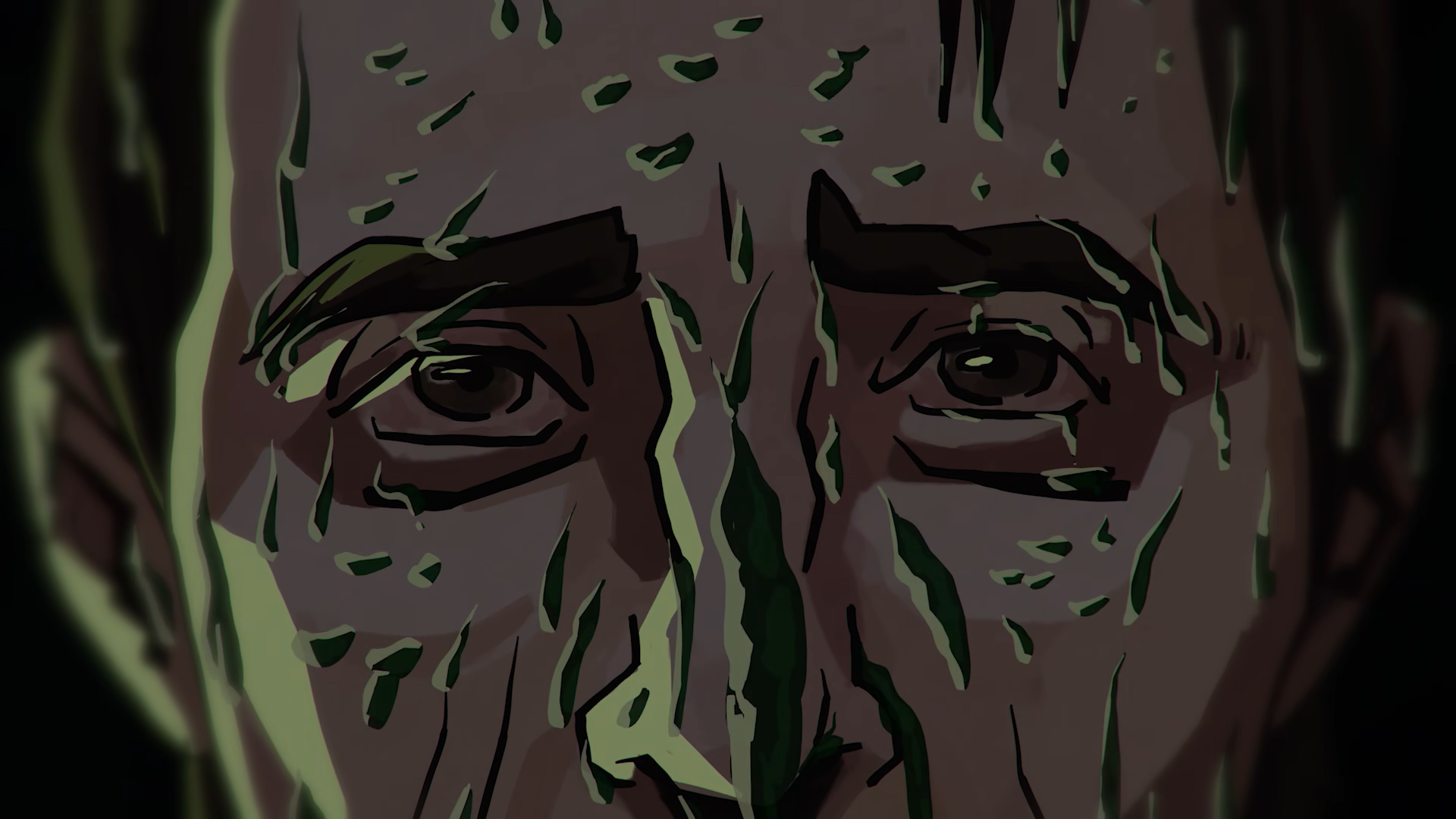
Dive or Die: Children of Rain is out now on PC, sending players beneath a drowned world to gather supplies while a desperate settlement counts down its last forty days. Drop Rate Studio and Dear Villagers released the underwater roguelite on July 21 through Steam and the Epic Games Store.
The cleanest description is a survival game split between two responsibilities. Below the water, a diver explores flooded ruins under pressure from oxygen loss, injury, hostile creatures, and a slipping grip on sanity. Back at the surface, the player assigns survivors, treats wounds, improves equipment, and decides how scarce resources should be used. A final flood is coming, so every expedition consumes time the camp cannot recover.
A dive can help the whole camp or cost it a survivor
Dear Villagers' release material establishes the threat. Black Rain has covered the world for years, leaving people alive on the remaining high ground. An eldritch being called the Rainmaker gives humanity forty days to recover sacred idols from the Abyssal Pool. Failure means extinction in another flood.
That premise gives the game's systems a common purpose. Food and building materials help the camp survive. Blueprints and iron can improve future dives. The sacred idols extend the larger struggle against the Rainmaker. Players are not collecting resources for an abstract upgrade tree. Each trip is tied to the settlement's ability to endure.
Rock Paper Shotgun's hands-on account adds the practical texture missing from a feature list. Its writer explored caves, searched for crafting materials, found threats in the dark, and managed a diver whose condition could deteriorate. Divers gain experience, yet they also develop afflictions as their sanity falls. At the camp, those same people can be assigned to buildings that support production.
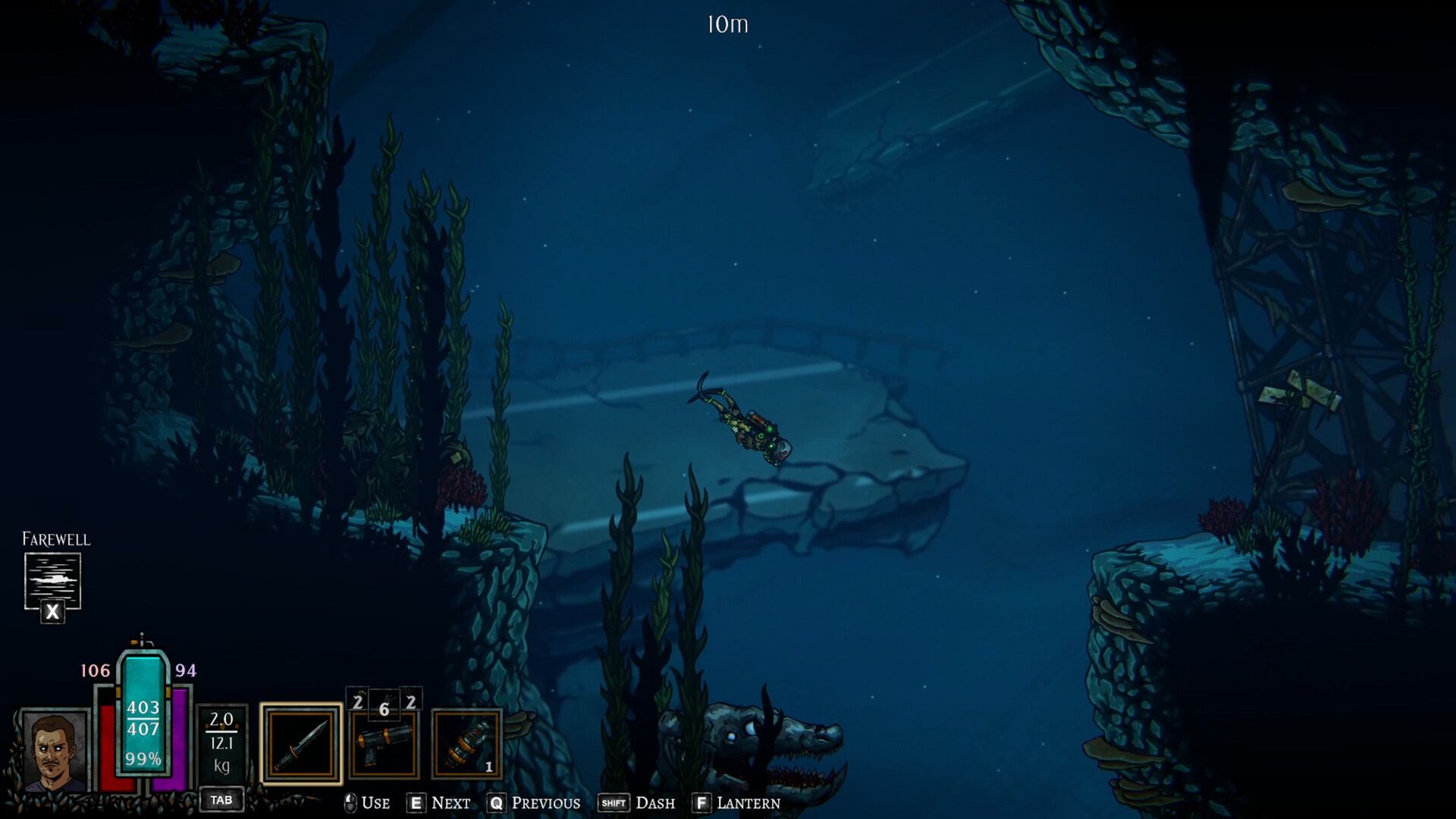
The underwater action happens in real time. Movement, aiming, oxygen, and retreat all demand attention at once. That separates the moment-to-moment play from a turn-based expedition game even when the long-term attrition resembles Darkest Dungeon. The result looks less like commanding pieces on a board and more like personally steering a fragile worker through a place that can permanently damage them.
The forty-day limit changes the meaning of retreat
Many roguelites reward one more room, one more chest, or one more risky fight. Dive or Die places that instinct inside a campaign deadline. Leaving early may preserve an experienced diver and the resources already found. Staying longer may secure a blueprint or relic the camp badly needs. Drowning or returning with severe injuries can consume people and treatment capacity.
That structure can make restraint a real skill. A retreat is not necessarily failure. It may be the choice that keeps a survivor available for a later assignment or prevents the settlement from spending its remaining medicine. The strongest tension should come from reading the state of the whole community, then refusing a tempting gamble when the cost is too high.
The surface layer gives those choices consequences. The official release says players rebuild infrastructure, place survivors in vital roles, and upgrade diving gear. Rock Paper Shotgun reports a roster of individual divers who can also work around the base. A strong expedition team pulled away from camp duties may leave production weaker. An injured specialist may create problems above water long after the dive ends.
What players and families should know
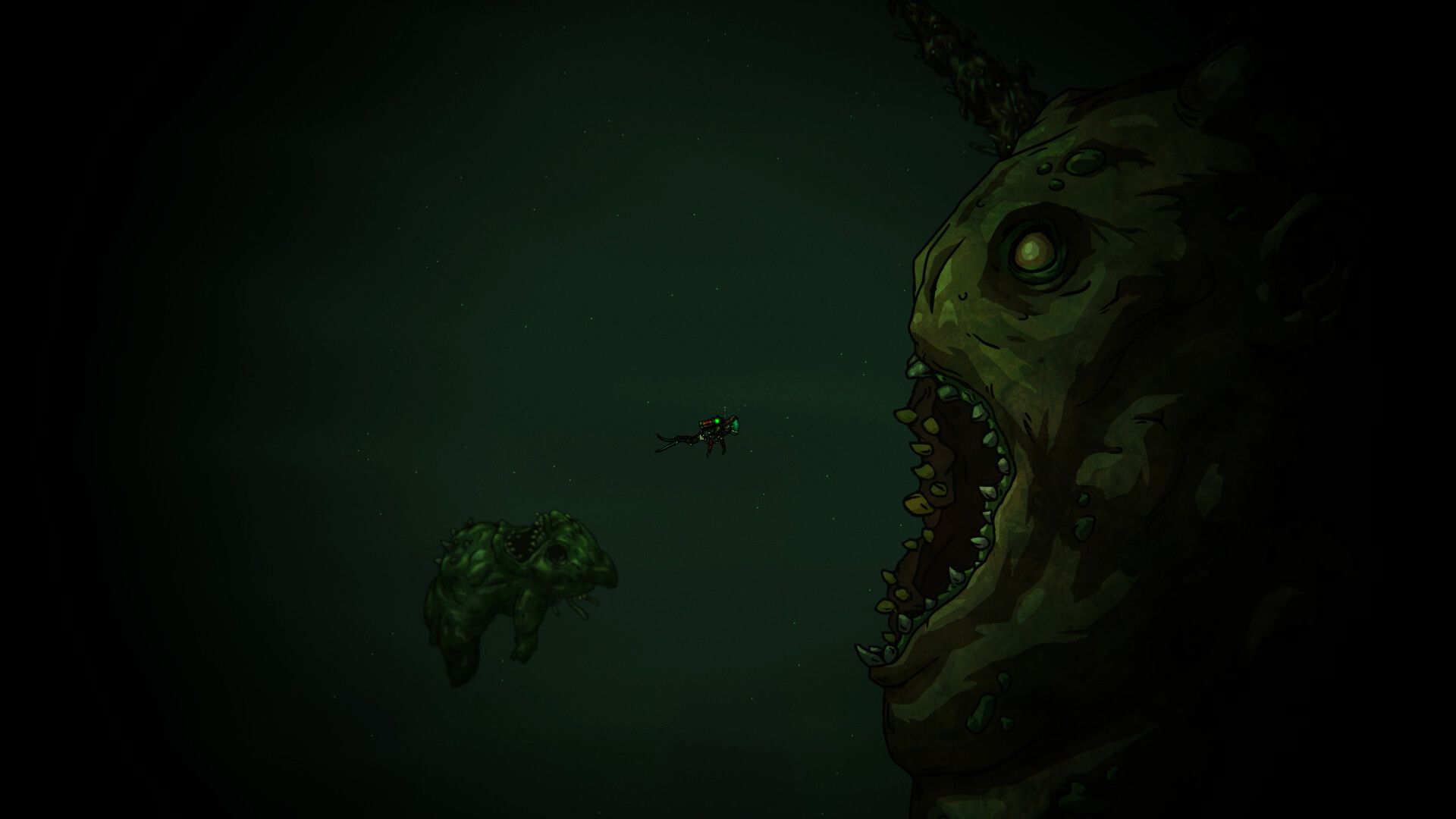
This is a grim setting. The publisher describes extinction, mutation, injury, madness, otherworldly horrors, and a divine creature threatening a final flood. Rock Paper Shotgun encountered monsters built from unsettling combinations of limbs and teeth. The visual approach is two-dimensional, though the ideas carry a strong Lovecraftian horror tone.
The pressure also comes from responsibility for vulnerable people. Divers can suffer lasting afflictions, and the camp's future depends on how the player uses them. Families considering the game should expect dread, body-horror imagery, and repeated decisions that expose individuals to danger for the community's survival. Players who enjoy difficult stewardship may find that meaningful. Anyone seeking a calm underwater exploration game will find a much harsher experience.
Blue's News independently confirmed that the Windows version was live on both PC stores with a 20 percent launch discount and a playable Steam demo. The demo is the sensible first stop for uncertain buyers. It can show whether the real-time diving controls, campaign pressure, and horror imagery fit before money or a long campaign is involved.
Dive or Die has a strong mechanical promise because its pieces pull in the same direction. Oxygen makes each descent urgent. Injuries carry mistakes back to camp. The settlement turns recovered materials into another chance. The forty-day clock forces every improvement to compete with time. If Drop Rate Studio keeps those systems legible and fair, the game could make preparation and mercy as important as fighting whatever waits in the Abyssal Pool.
Continue exploring Video Games coverage from Crosspad Gaming.