Exploding Kittens CEO Carly McGinnis takes over Asmodee global publishing

Asmodee has put Carly McGinnis in charge of global publishing, and the move is more relevant to ordinary board-game players than a corporate title might suggest.
The official announcement names McGinnis as chief product officer and EVP Publishing. She reports to CEO Thomas Kœgler, joins Asmodee's executive management team, and succeeds Jean-Sébastien de Barros. Asmodee points to her work as CEO of Exploding Kittens, including global expansion, localization, and the brand's reach into Netflix, mobile games, and animation.
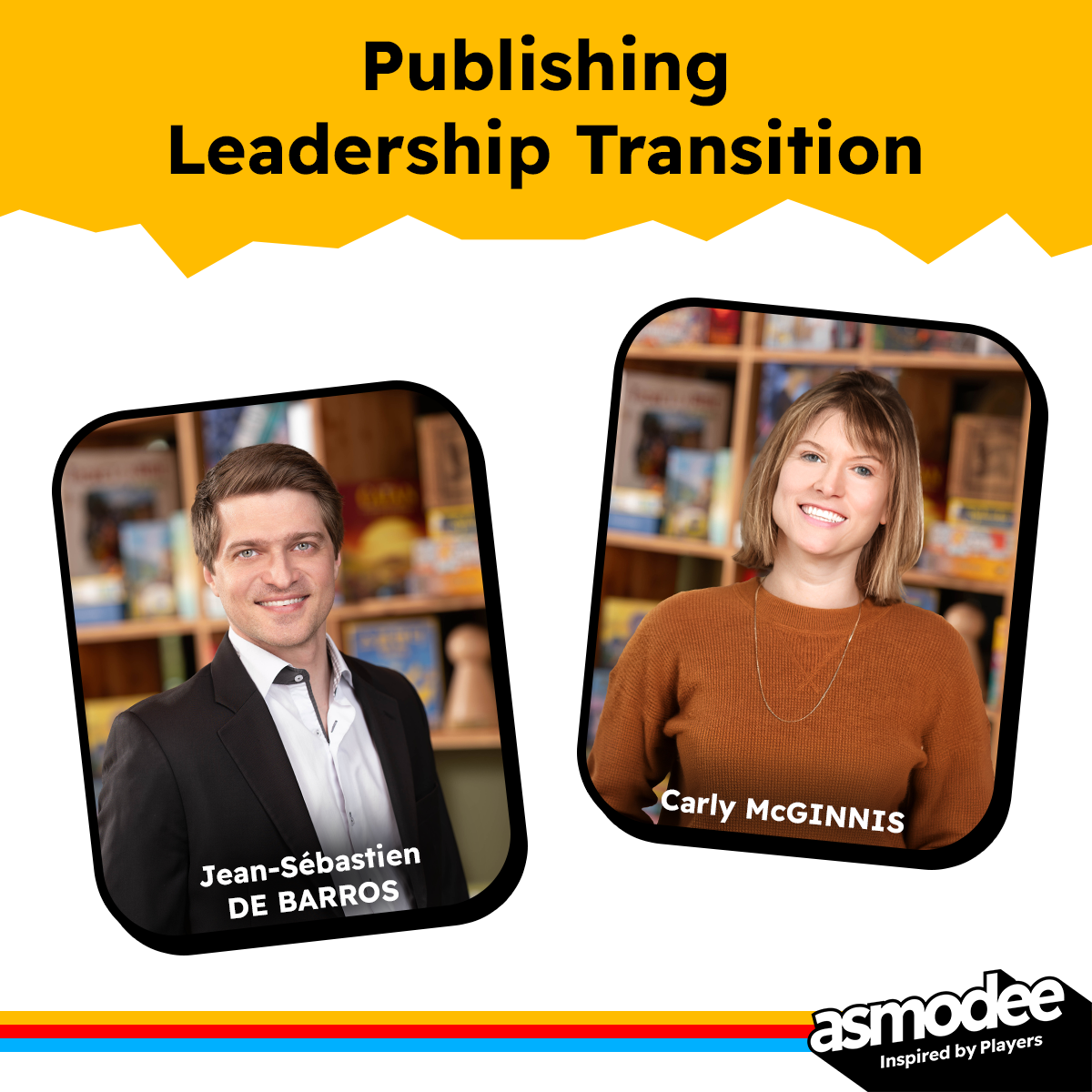
That tells readers what kind of executive Asmodee is elevating. McGinnis is associated with a game that started as a huge Kickstarter success and became a broad consumer brand. Exploding Kittens is easy to teach, easy to merchandise, and recognizable outside hobby stores. Asmodee owns and distributes deeper hobby names too, including Catan, Ticket to Ride, 7 Wonders, Dobble or Spot It, and a large catalog of studio-driven tabletop lines. The publishing lead helps decide which of those worlds gets focus, support, licensing energy, and shelf space.
BoardGameWire adds the useful business context. Its report says the role covers Asmodee studios, franchise development, licensing, and studio marketing. That is the part players may feel over time. A publishing organization does more than approve boxes. It shapes which games receive expansions, which brands get mass-market treatment, which rules systems stay supported, and which titles get positioned for families, retailers, and local game stores.
The timing also matters. BoardGameWire connects the change to Asmodee's recent revenue mix, including strong distribution and trading-card activity alongside softer spots in its own board-game publishing. That does not mean Asmodee is walking away from core board games. It does suggest the company has a reason to sharpen what its own studios make and how those games reach the market.
GodIsAGeek separately reports the appointment, the reporting line, and the leadership transition from de Barros to McGinnis. That independent confirmation keeps the story from resting only on Asmodee's own release. The official source gives the appointment and company rationale. BoardGameWire gives market context. GodIsAGeek gives consumer-facing corroboration.
For Crosspad readers, the family angle is practical. A company like Asmodee can push games into places where non-hobby families actually shop. When a publishing leader comes from Exploding Kittens, the obvious question is whether more Asmodee brands will chase the same blend of approachability, humor, licensing, and broad retail reach. That can be good when it brings families into tabletop gaming. It can also flatten a catalog if every product tries to become a party-game brand.
McGinnis' background does not require panic from hobby players. It also should not be dismissed as boring business news. Leadership decisions eventually become product decisions. Product decisions become the games that show up at Target, Barnes & Noble, Amazon, local stores, conventions, and family tables.
Asmodee's strongest brands serve different kinds of players. Catan and Ticket to Ride are gateway staples. 7 Wonders sits deeper in hobby gaming. Dobble and Spot It are fast family games. Exploding Kittens is built for a louder, more casual social table. Good stewardship of that portfolio means giving each line the right kind of support. A publisher can damage trust when every brand gets squeezed into the same shape.
The other thing to watch is licensing. BoardGameWire notes that franchise development and licensing sit inside the role. That could mean more screen, mobile, toy, and brand partnerships around Asmodee properties. Some of those will be harmless and helpful. Some will be noise. Families do not need every board game to become a multimedia campaign. They need good games that are easy to understand, fairly priced, and supported after release.
There is also a local-store angle. Asmodee's choices affect distributors, demo tables, organized play support, and which games get explained by staff because they are easy to stock and easy to recommend. A publishing lead who understands mass appeal may help more families find tabletop games. The risk is that quieter hobby designs receive less air if the company rewards only the loudest brands.
Church game nights and family shelves usually benefit from a healthy middle: games with enough personality to keep adults interested and enough clarity to welcome new players. Asmodee already owns many games in that middle. The question for the next few years is whether this leadership change makes that catalog more accessible without sanding away the difference between a gateway classic, a party laugh, and a deeper strategy night.
So the short version is simple: Asmodee is handing publishing leadership to an executive with proven mainstream brand experience. That could help the company make its catalog easier to find and easier to enter. It could also test whether Asmodee can grow broad brands while preserving the character that made its tabletop lines matter in the first place.
Sources: Asmodee Group / Nasdaq, BoardGameWire, GodIsAGeek.
Continue exploring Boardgames coverage from Crosspad Gaming.