Humankind 2 is coming in 2027 with climate-shaped strategy and deeper cultural progression
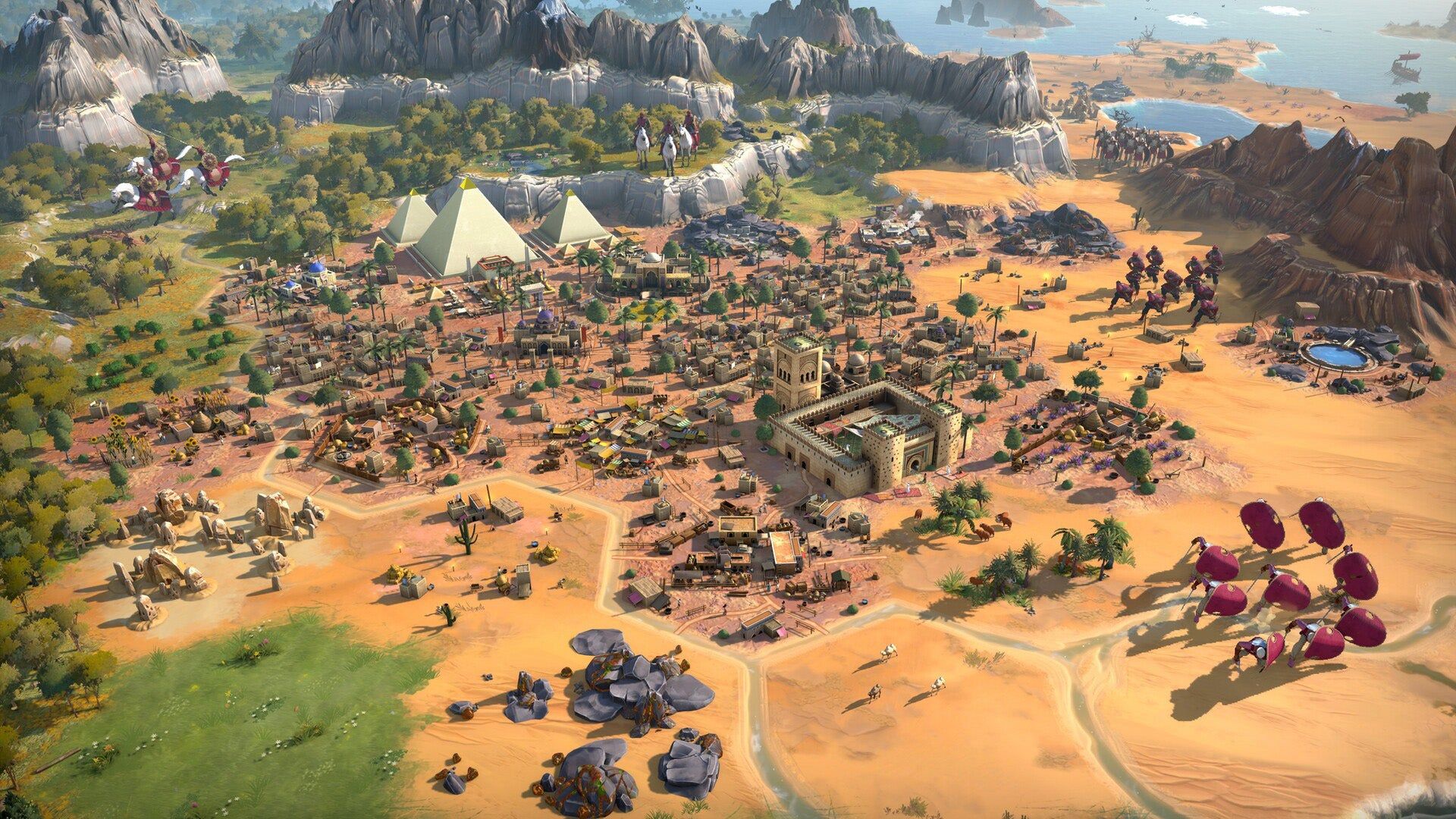
Humankind 2 gives historical strategy fans a sequel promise with clearer consequences attached. AMPLITUDE Studios has announced the game for 2027, calling it the studio's second historical turn-based strategy game and pointing players toward a new Steam page. The official pitch still starts with the familiar Humankind idea: guide a people from ancient eras into the modern age, build cities, trade, fight, and shape culture across time.
The useful change is the way the sequel talks about history as a system of consequences. Steam describes a world changed by climate shifts that alter the strategic map across the ages. Players will need to adapt cities and economies to changing biomes, guard vital resources, and weigh short-term growth against effects that may last for generations. That is the most important player-facing hook in the reveal. It takes the grand strategy loop beyond expansion for its own sake and asks whether the map will push back.
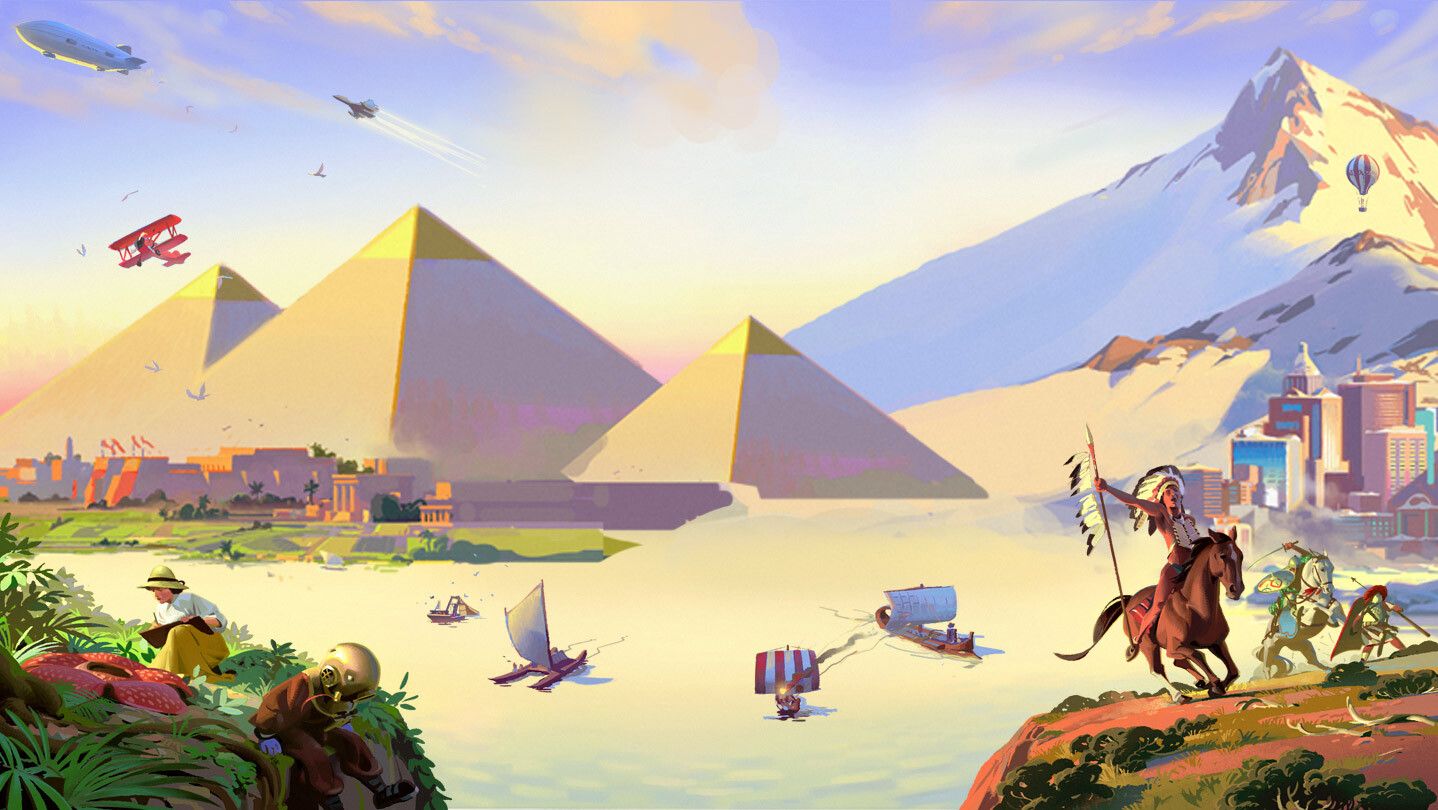
Rock Paper Shotgun's reveal coverage adds the caution that the first trailer is light on hard gameplay detail. It reports only a brief glimpse of gameplay at the end and points readers back to the Steam description for specifics. That matters because strategy sequels often sound stronger in system language than they feel in play. New progression systems, enhanced visuals, a modernized interface, and player-feedback-driven improvements are encouraging claims. They still need proof in ordinary turns, messy cities, bad wars, and late-game cleanup.
AMPLITUDE also frames Humankind 2 as a response to five years of updates and community feedback after the first Humankind. That line is important for returning players. The original game's culture-swapping identity gave it a distinct place beside Civilization, but it also left many players with questions about continuity, pacing, and whether each era felt coherent. Steam's new language promises deeper cultural progression trees, exclusive customs, and more continuity as cultures combine. If that works, the sequel could make empire identity feel less like a costume change and more like a long story with memory.
The culture list is still partial. Rock Paper Shotgun names Saqqaq, Etruscans, and Scythians as examples from the store page, with more promised. That is enough to confirm AMPLITUDE is keeping the series' global-history angle. It is not enough to judge depth. Players should watch for how cultures change city planning, diplomacy, combat, economy, and civic choices across eras. A long list of cultures is impressive only if the decisions stay meaningful after the novelty fades.
For Crosspad readers, the climate hook deserves calm attention. This does not need to become a culture-war filter. It is a design question first: can a historical 4X game make stewardship, resource pressure, and generational tradeoffs legible without turning every session into homework? Christian families and strategy players can handle games that ask hard questions about creation, limits, and consequences. The key is whether the game respects player agency and complexity, or whether it reduces history to a narrow sermon.
There is also a time question. Historical 4X games eat evenings. A sequel with deeper culture systems and climate-shaped maps may be excellent for adults who want one large campaign at a time. It may also be a poor fit for players who already struggle to step away from one-more-turn loops. Parents can stay calm over a 2027 strategy game. They should still treat the genre honestly. These games reward planning, patience, and curiosity. They can also quietly absorb far more time than a family expected.
Humankind 2 is in a promising early position. AMPLITUDE has the official sequel announcement, Steam verifies the 2027 window and system pitch, and Rock Paper Shotgun gives independent context that the reveal is still thin on gameplay. The safe reader takeaway is simple: wishlist if the first game's ideas appealed to you, wait for hands-on detail before trusting the system promises, and judge the sequel by whether climate, culture, and empire identity create better choices across a full campaign.
Sources
Continue exploring Video Games coverage from Crosspad Gaming.