Tabletop designers push publishers, awards, retailers, and media to credit game creators by name
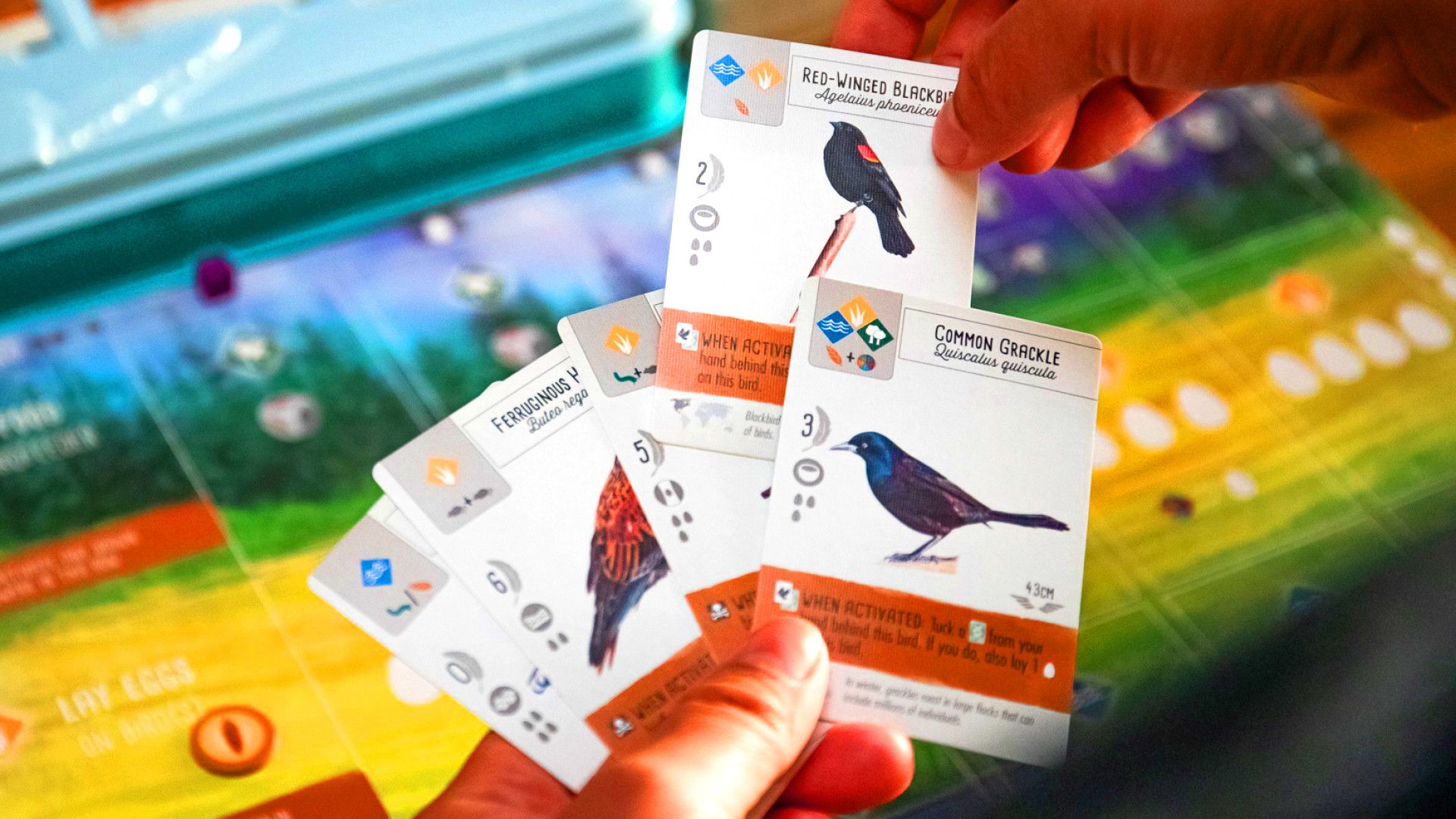
The Tabletop Game Designers Association wants the game industry to stop treating publishers as the authors of board games. In a July 23 statement, the association called on publishers, retailers, awards groups, media outlets, and content creators to name the people who designed the games they sell or discuss.
The request sounds basic because it is basic. Books have authors. Films have directors and performers. Board games have designers, artists, and other creators whose names help players follow their work. Yet designer credits still disappear from store listings, marketing copy, award announcements, videos, and news coverage.
Wargamer reported that TTGDA's statement followed several announcements that either omitted individual creators or described games as being "by" their publishers. TTGDA president Geoff Engelstein told the outlet that better credit can also help sales. Players who enjoy one design may want to find more work by the same person, but that discovery path breaks when the creator's name is missing.
The problem reaches across the industry
TTGDA identified several recurring failures. Some published products lack clear design credits. Publisher solicitations and marketing copy may name only the company. Sales platforms can omit designers from listings or make their names unsearchable. Awards sometimes give publishers more visibility than the creators whose work received the honor. Reviews, previews, playthroughs, and videos can repeat the same omission.
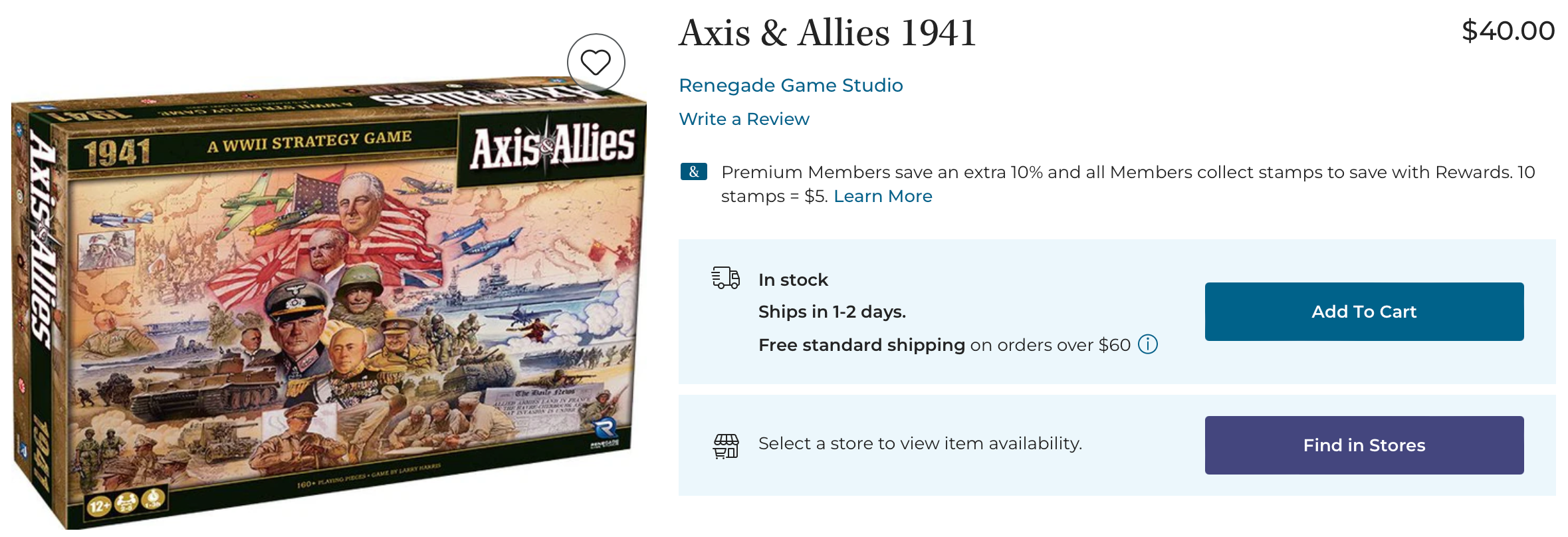
W. Eric Martin examined those claims against current public listings. Barnes & Noble displays Elizabeth Hargrave's name beside Wingspan, for example, but the name does not function like a linked author field that helps shoppers find her other games. Martin also found an Axis & Allies 1941 listing that credited Renegade Game Studios while omitting designer Larry Harris Jr.
His audit found similar gaps in award archives. The 2025 Origins Award winners list includes designers, though publisher names appear first. The finalists announcement published in March 2026 listed publishers without designers. Older Origins winners from 2010 through 2024 also lack design credits in the archive he checked. Mensa Mind Games names creators for its 2025 and 2026 selections, while older entries often list a "manufacturer" that may be a distributor or licensee.
These examples show why a name printed somewhere in a listing is only the first step. Useful credit should be accurate, prominent, and connected to discovery. A shopper who likes Wingspan should be able to select Hargrave's name and find The Fox Experiment or Mariposas. That kind of link already feels ordinary for books, music, and movies.
TTGDA offers a practical credit standard
The association recommends naming at least the lead designers whenever a publisher is mentioned. Copy should describe a game as "by" its designer and "published by" its publisher. When coverage focuses on a specific mechanism or visual element in a multi-creator project, the person responsible for that work should receive credit when reliable information is available.
Video creators can add a text overlay if reading a long list would interrupt the presentation. TTGDA also asks publishers, events, and awards to coordinate with designers about how their names are used. A creator should be able to decline association with a promotion. Contracts should spell out credit and consent terms instead of leaving them to custom or goodwill.
The statement has history behind it. Martin notes that a group of designers organized by Reinhold Wittig signed a proclamation in 1988 refusing to give games to companies unless their names appeared on the box cover. More than three decades later, the dispute has moved beyond the box. Digital storefronts, search tools, video platforms, and award databases now shape who receives recognition and who remains discoverable.
Media outlets have work to do too
This is not a problem Crosspad can point at from a safe distance. Gaming media participates every time an article names a publisher and skips the designer, or uses an image without an available artist credit. The repair is manageable: check the game's credits, official product page, publisher materials, or BoardGameGeek listing, then name the people whose work the article discusses.
There will be edge cases. Large games can have many contributors. Credits can change between editions. Some creators may choose privacy or decline a promotional association. Those complications call for accurate records and consent. They do not excuse replacing human authorship with a company name.
For readers, proper credit makes the hobby easier to explore. For creators, it protects the connection between their labor and reputation. There is also a plain question of honesty. If a person made the design, the coverage should say so.
Engelstein suggested that fans can help by leaving a polite comment when a review, list, playthrough, or store page omits the designer. That is a useful response because it targets a correctable record. The better long-term outcome is an industry where the correction is rarely needed.
Continue exploring Boardgames coverage from Crosspad Gaming.