Deathbringer turns grim OSR momentum into a $1.3 million tabletop RPG campaign
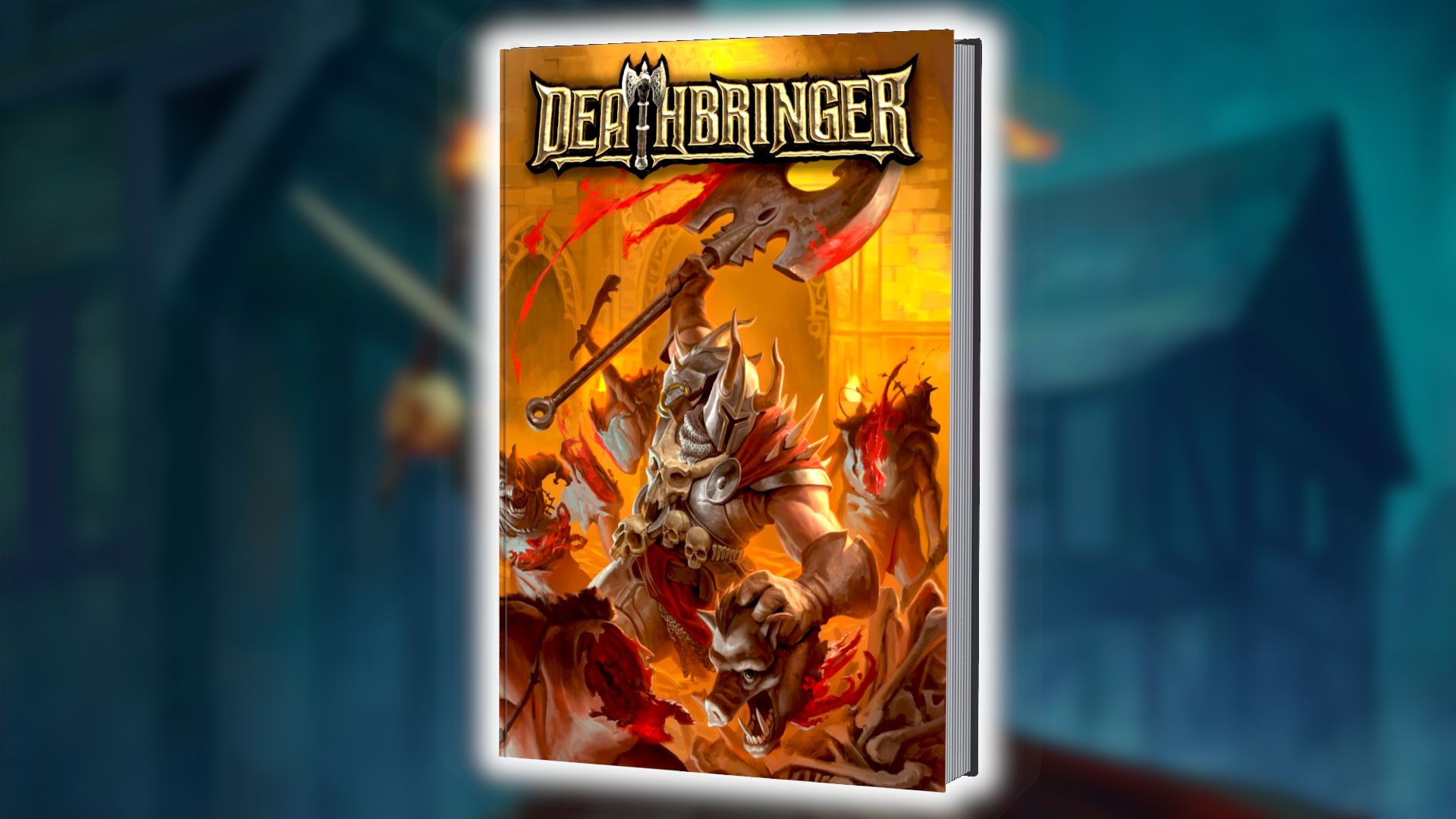
Deathbringer has crossed the line from niche rules hack to a serious tabletop signal. Wargamer reported its July BackerKit launch as a standalone game from Professor Dungeon Master and Roll For Combat. EN World supplied creator-interview detail about how the game works and why it uses Shadowdark as a reference point. TTRPG Fanatics now reports the campaign ended above $1.3 million.
That funding number is the current hook, but the better Crosspad question is table fit. Deathbringer is selling fast, lethal fantasy with old-school pressure. For some groups, that is exactly the point. For others, it can turn a campaign night into punishment if the table expected heroic adventure and got a harsher rules culture than they wanted.
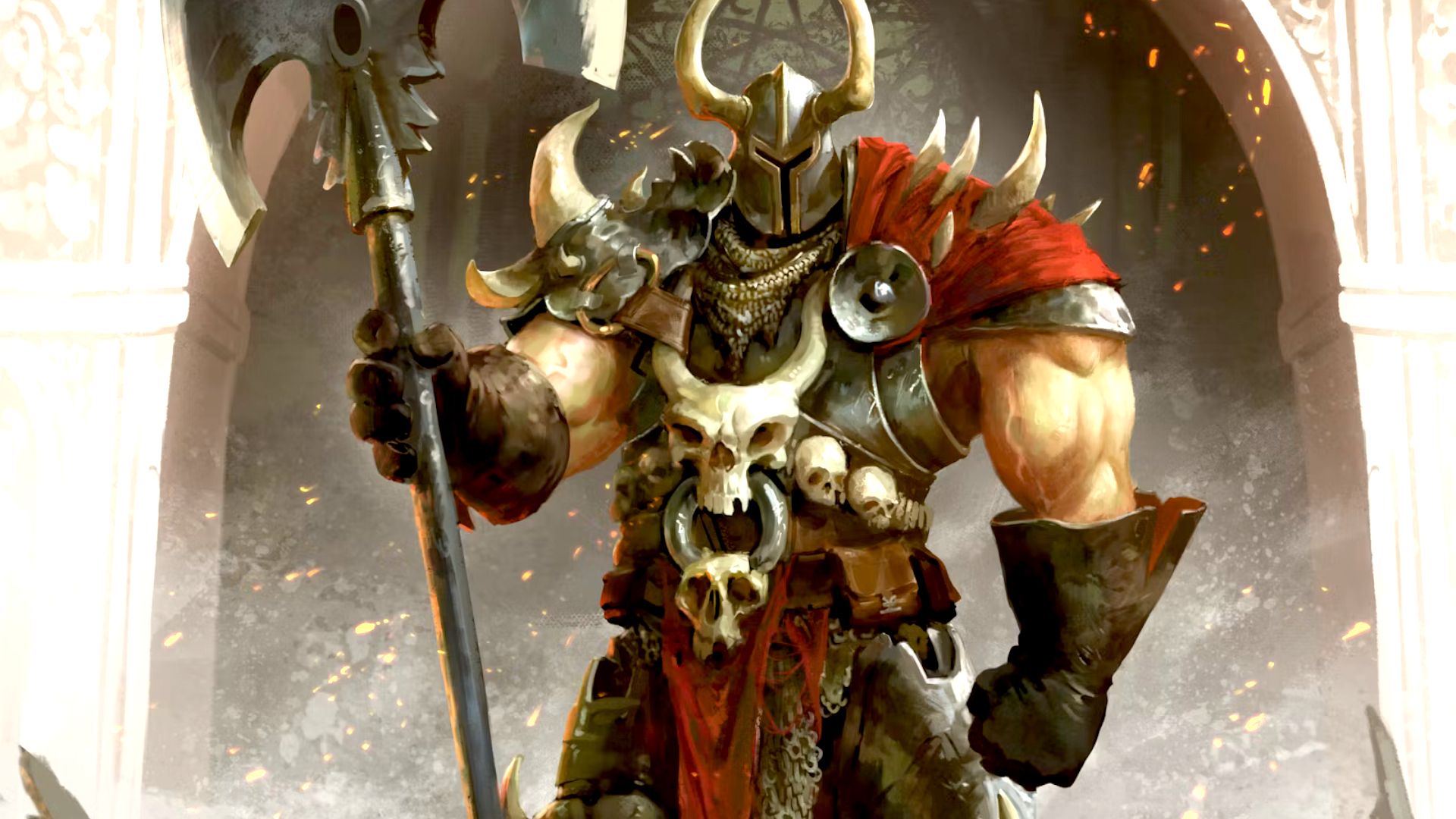
Wargamer's launch coverage frames Deathbringer as a bloody, fast-moving fantasy game with Professor Dungeon Master, Dan DeFazio, and Roll For Combat attached. It also connects the project to EN World's most-anticipated TTRPG conversation, which helps explain why the campaign arrived with an audience already watching. This was not a cold launch from nowhere. It landed in a tabletop lane where OSR-style danger, fast rulings, and stripped-down play have real momentum.
EN World's interview is useful because it moves past the funding headline. Professor Dungeon Master discusses the game's design goals, its Shadowdark compatibility, dangerous magic, Death Dice, the lack of magical healing, and a push toward fast cinematic action. Those details matter more than the marketing adjectives. A table needs to know what the rules reward. If healing is scarce and death is closer to the surface, players will make different choices. They may scout more, retreat more, bargain more, and treat violence as costly.
TTRPG Fanatics gives the post-campaign confirmation that demand carried through the finish. A campaign above $1.3 million is not a small curiosity. It tells retailers, designers, and game masters that this branch of fantasy roleplaying still has buyers. The money does not prove the game will fit every table. It does prove the appetite is real enough to shape conversations beyond one creator's audience.
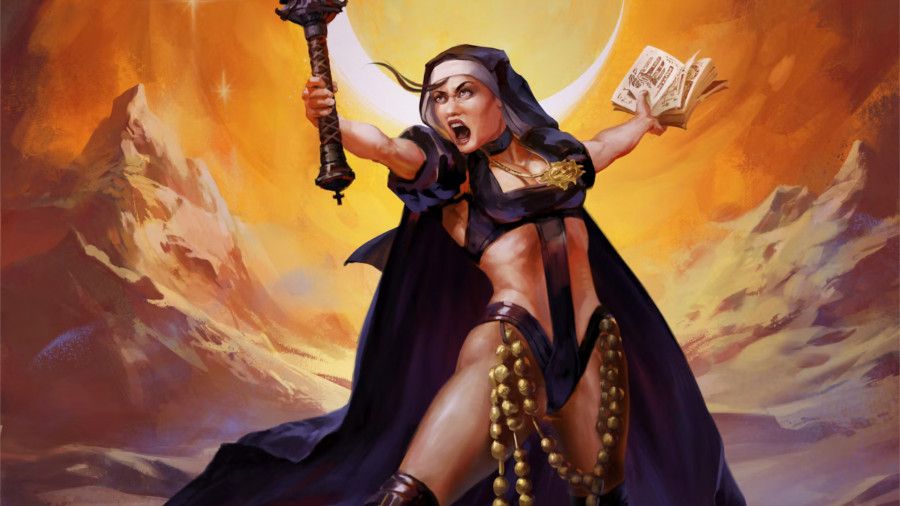
For Crosspad readers, the faith and family lens should stay practical. Lethality can be healthy at a table when it produces humility, teamwork, caution, and memorable consequences. It can also become tiring if the group starts measuring fun by how brutally the referee can punish mistakes. The same mechanic can serve one table and sour another. That is why the first session conversation matters.
A church game night, family campaign, or youth table should be especially clear about expectations before trying this style. Players need to know whether character death is rare tragedy, common risk, or part of the entertainment loop. They need to know whether dark magic and grim violence are window dressing, serious moral texture, or the main attraction. Those are not panic questions. They are stewardship questions for the people at the table.
Deathbringer's success is good news for tabletop variety. The hobby benefits when designers can build outside the safest mainstream lane and still find support. The campaign also reminds groups that popularity is not the same as fit. If your players want danger, speed, weird fantasy, and consequences that land hard, this may be one to watch closely. If your group wants gentler heroic fantasy, the funding total should not pressure you into a campaign your table will resent by session three.
The sound takeaway is to treat Deathbringer as a strong signal, then read the rules and campaign materials with your own table in mind. BackerKit momentum tells us the audience is there. The sources tell us the design is intentionally sharp. The actual decision belongs at the table, where tone, patience, and trust matter more than any crowdfunding headline.
Sources
Continue exploring TTRPGs coverage from Crosspad Gaming.