Asmodee UK profit jump shows how much TCGs now shape tabletop retail

Asmodee UK’s latest accounts make the current trading-card boom feel less like hobby chatter and more like retail gravity. BoardGameWire reports that the UK distributor reached £224 million in turnover for the year to March 2026 and more than doubled operating profit to £35.1 million. The report says Asmodee UK named trading card games as the pre-eminent category behind that growth.
That gives Crosspad readers a useful signal. When Pokémon, One Piece, Disney Lorcana, Star Wars Unlimited, Magic, and other collectible lines perform at this scale, they do more than fill binders. They shape what shops stock, what distributors prioritize, which organized-play communities get attention, and how much family budget gets pulled toward booster products.
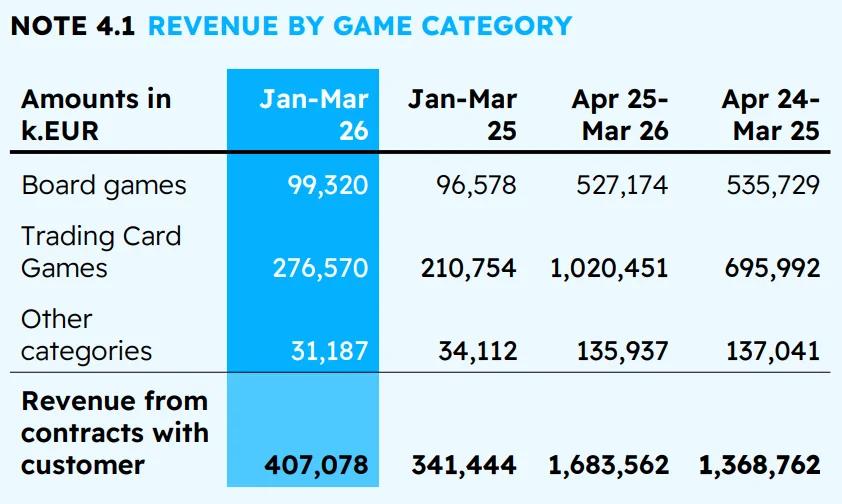
The evidence package is stronger than one trade article. BoardGameWire supplies the numbers and category context from the accounts. Companies House verifies ASMODEE UK LIMITED, company number 03055732, and lists the full accounts filing made up to March 31, 2026. Asmodee UK separately says Esdevium Games Limited changed its registered company name to Asmodee UK Limited effective July 22, 2026. Together, those sources establish both the financial filing and the company identity behind it.
The reader-facing point is simple: TCG heat is now a tabletop-industry force, not a side aisle. A distributor can have solid board-game performance and still see collectible cards dominate the growth story. That affects hobby stores because shelf space is finite. It affects publishers because hot categories attract licensing and marketing energy. It affects families because card games can look cheaper than a board game at the first purchase, then become more expensive through repeat spending.
That does not make TCGs bad. Some of the best tabletop communities are built around card games. They teach probability, planning, patience, reading the table, and learning through loss. A well-run local scene can be a gift for a teen who needs structured competition and real-life friends. The concern is the business model. Randomized products, frequent releases, alternate art, limited availability, and secondary-market talk can make collecting feel urgent in a way boxed board games usually do not.
For parents, the practical question is whether the game is being played or chased. If a child loves Pokémon or Lorcana because they are playing with friends, there is something healthy to encourage within clear limits. If the hobby becomes opening product for the hit, refreshing prices, or needing the newest thing every few weeks, the family may need a tighter budget and a better definition of enough.
For adult players, the same discipline applies. A booming category can make every set feel important because retailers, creators, and publishers all have reasons to keep attention high. The accounts show why that machine keeps getting louder. Profit follows attention, and attention follows releases. A player who wants a stable hobby life has to decide which formats, decks, and communities actually deserve time.
Board-game fans should also read the numbers with calm. TCG growth does not erase traditional tabletop. It may cross-subsidize stores, increase foot traffic, and keep local game nights alive. It may also crowd smaller releases if shops cannot afford dead inventory. The better response is not resentment. It is awareness. Know why the wall of sealed product keeps expanding, then support the kind of play culture you want your local store to preserve.
There is a store-owner angle here too. If TCGs are carrying more of the financial weight, shops may lean harder into events, singles, accessories, and sealed product because those categories move. That can keep lights on. It can also make the broader tabletop shelf feel thinner if board games, RPGs, and miniatures lose display space. Healthy stores need revenue, and healthy communities need variety. The Asmodee numbers help explain why that balance is getting harder to maintain.
Families can respond with clearer habits. Set a monthly card budget. Separate sealed product from singles. Treat organized play fees as entertainment spending, not hidden education spending. If a player wants to collect across several games at once, slow down and choose one priority. The market is designed to offer more good things than one household can wisely chase.
Crosspad’s read: Asmodee UK’s profit jump is a business story with family consequences. The TCG boom is helping power tabletop distribution, and that means the category will keep shaping shelves, budgets, and attention. Enjoy the games. Count the cost before the release calendar starts counting it for you.
Sources
https://boardgamewire.com/index.php/2026-08-13/asmodee-uk-more-than-doubles-operating-profit-to-34m-as-tcg-boom-powers-growth/
https://find-and-update.company-information.service.gov.uk/company/03055732/filing-history
https://www.asmodee.co.uk/blogs/news/announcement-for-asmodee-uk-website-3rd-august-2026
Continue exploring CCGs/TCGs coverage from Crosspad Gaming.