

Potato Please: Humble Work Does Not Require Needless Toil
Commentary: Its advertised shift from hand-peeling to automation invites a Christian distinction between the dignity of work, the wisdom of tools, and the goodness of the cause being served.
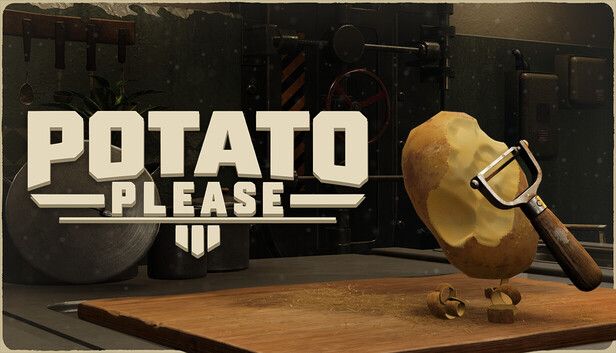
Potato Please begins its advertised workday with individual potatoes and ends with the prospect of machinery. Steam lists a November 3, 2026 release, and its store description promises a progression from careful hand-peeling to bulk collection and automated processing. That modest premise raises a worthwhile Christian question: does making humble work easier diminish its value? Our answer is no. Christians should honor careful labor without treating avoidable exertion as a measure of holiness.
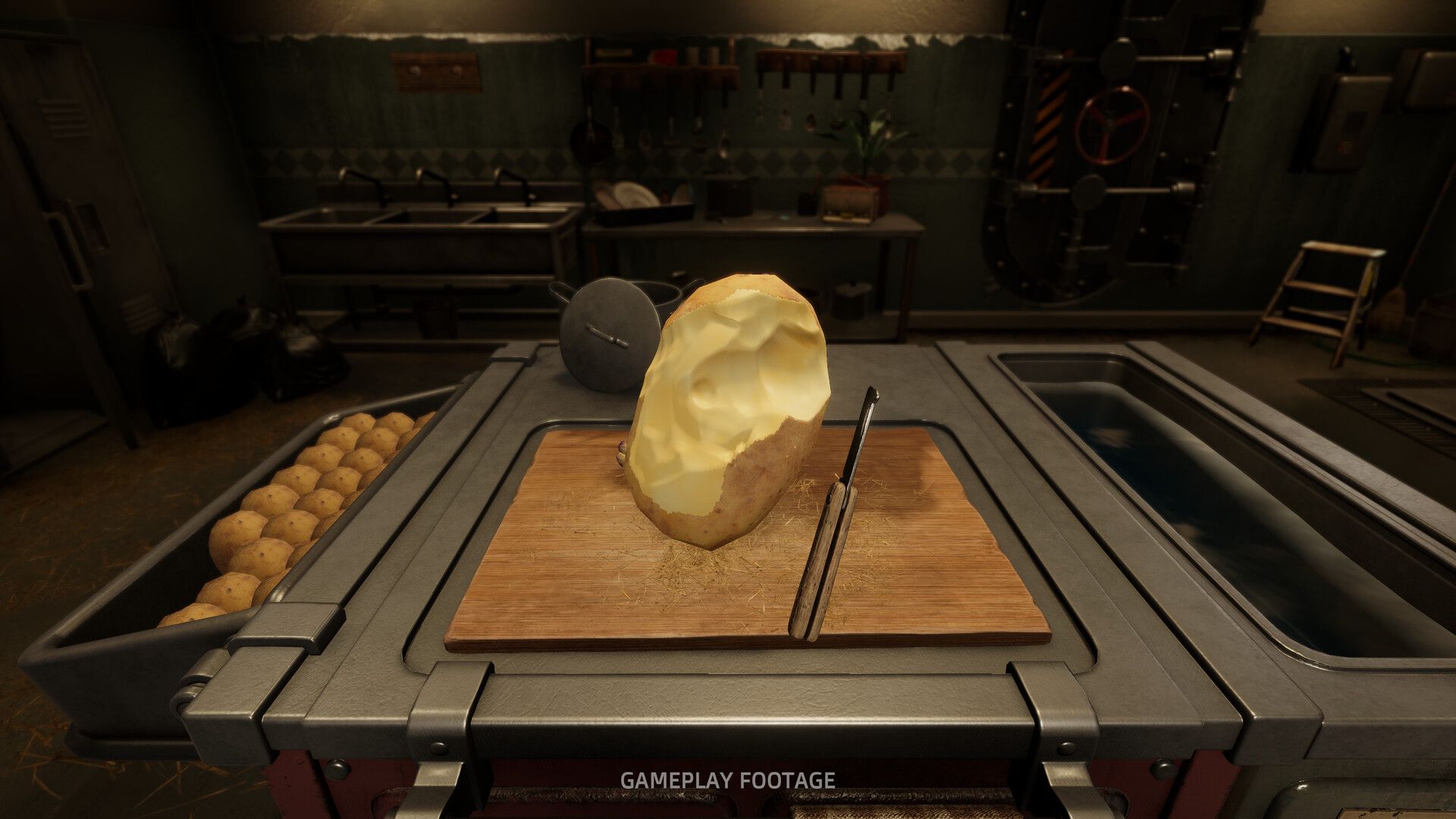
The distinction matters because the initial task has a purpose before any machine arrives. According to the store, players pick up potatoes, peel them by hand, and put them into water individually. The marketing emphasizes thin cuts and avoiding waste, alongside buying better tools. Within that advertised task, care means preparing the food without needlessly discarding it. A slower method can accomplish something worthwhile even when a faster method becomes available.
Genesis 2:15 places human work before the Fall: God puts the man in Eden to work and keep the garden. In that creation setting, work is not an embarrassing condition from which humanity must escape. This does not make a fictional potato assignment equivalent to tending Eden. It does give Christians reason to reject contempt for ordinary physical tasks. Peeling food need not be prestigious or technically impressive to be worth doing well.
But honoring the task is different from preserving every difficulty in its method. Potato Please advertises a gradual move toward a more efficient operation, including machines that process potatoes and systems for collecting them in bulk. On that description, automation changes how the job gets done. It does not, by itself, establish that the earlier work was worthless. The food still needed preparing when the only available method was one potato at a time.
Ecclesiastes 10:10 supplies a useful, limited comparison. Among its observations about wisdom and folly, it describes the extra strength needed when an iron edge has not been sharpened. The passage is not a biblical ruling on automation. Its relevance is narrower: greater exertion does not necessarily mean wiser work. Applied to the game's advertised progression, there is no reason to regard better tools as a moral retreat simply because they reduce the effort required.
The strongest objection is that an efficiency-centered progression can be read in the opposite direction. If manual peeling is the starting point and machinery is the advance, does the design make humble labor merely something to escape? The store's emphasis on finishing the pile and increasing efficiency gives that reading a foothold. We should not assume that an upgrade path teaches respect for the work it replaces.
Yet moving beyond a method is not the same as despising the service it performed. The advertised sequence supports a change in means, not a demonstrated judgment against manual workers. Nor does the store description establish how the progression feels, whether automation preserves the initial emphasis on avoiding waste, or what attitude the full game takes toward labor. The defensible positive assessment is therefore modest: its premise is compatible with honoring careful work while welcoming tools that make the same task less burdensome.
Efficiency still needs a moral destination
There is a more serious qualification than whether hand-peeling retains its dignity. The promotional narrative assigns the player responsibility for feeding an army on behalf of a nation, and it presents improvements as service to a declared greater good. That institutional claim is not enough to establish a righteous purpose. A process can become more efficient without becoming more worthy of support.
Ephesians 4:28 helps distinguish productive work from merely producing more. In instructions about leaving the old life behind, Paul directs the former thief toward honest labor so that he can share with people in need. The passage affirms work with one's hands, but its stated purpose reaches beyond the worker's output to generosity. For Christian judgment, the relevant questions include whether work is honest and whom it serves, not simply how much a system can process.
Ecclesiastes also ends by placing human duty under the fear of God and obedience to his commandments in 12:13. Read alongside its observation about the blunt edge, that conclusion keeps wise technique from becoming a sufficient moral standard. Better methods are worth welcoming, but an institution's demand for hard, efficient work cannot replace judgment about its ends. That is the boundary Christians should bring to Potato Please's army-feeding premise, rather than accepting its promotional language as a moral verdict.
This is not a finding that the game endorses an unjust cause. The store explicitly describes its nations and institutions as fictional and disclaims representation of real-world governments or political organizations. Neither that disclaimer nor the army's promotional framing establishes whether its cause is just, whether the rhetoric is satirical, or whether the narrative endorses it. Performing a task inside fiction, encountering an institution's claims, and approving those claims are distinct things.
Christian players can therefore approach the advertised progression without either romanticizing toil or worshiping efficiency. There is nothing inherently contemptuous of humble service in moving from hand-peeling to machinery. Equally, a growing operation is not proof of a good cause, and playing through its upgrades is not proof of personal virtue. The useful judgment is to honor the work, welcome wiser methods, and keep the purpose of the work open to moral scrutiny. The dignity of service does not depend on keeping the knife blunt.
Sources
Continue exploring Video Games coverage from Crosspad Gaming.