

Casualties: Unknown: A Body Is Worth More Than Its Usefulness
Commentary: Its advertised wound-care systems invite a Christian distinction between preserving a useful asset and caring for a life that matters.
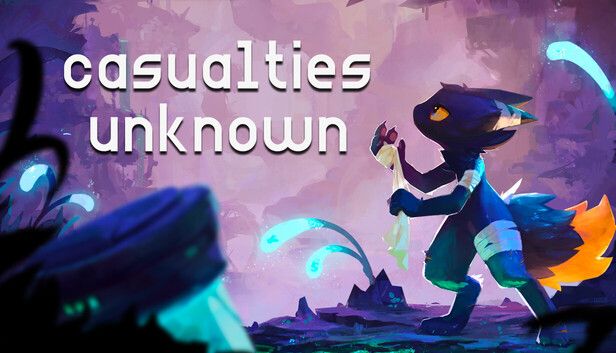
Casualties: Unknown pairs a brutal premise with meticulous attention to bodily survival. Steam lists November 9, 2026 as its release date and describes captors sending the protagonist to retrieve cargo on a foreign planet, one expendable test subject among thousands. Yet the same listing asks players to attend to wounds, infection and blood loss. That tension deserves Christian consideration: keeping a body functioning is not necessarily the same thing as valuing the life it sustains.
Our judgment is that Christians can appreciate this advertised attention to vulnerability without accepting the captors’ disposable view of life. Bodily care has value beyond making someone fit for another assignment. But medical complexity alone does not establish that a game honors human dignity, and the Christian hope cannot be reduced to staying alive at any cost.
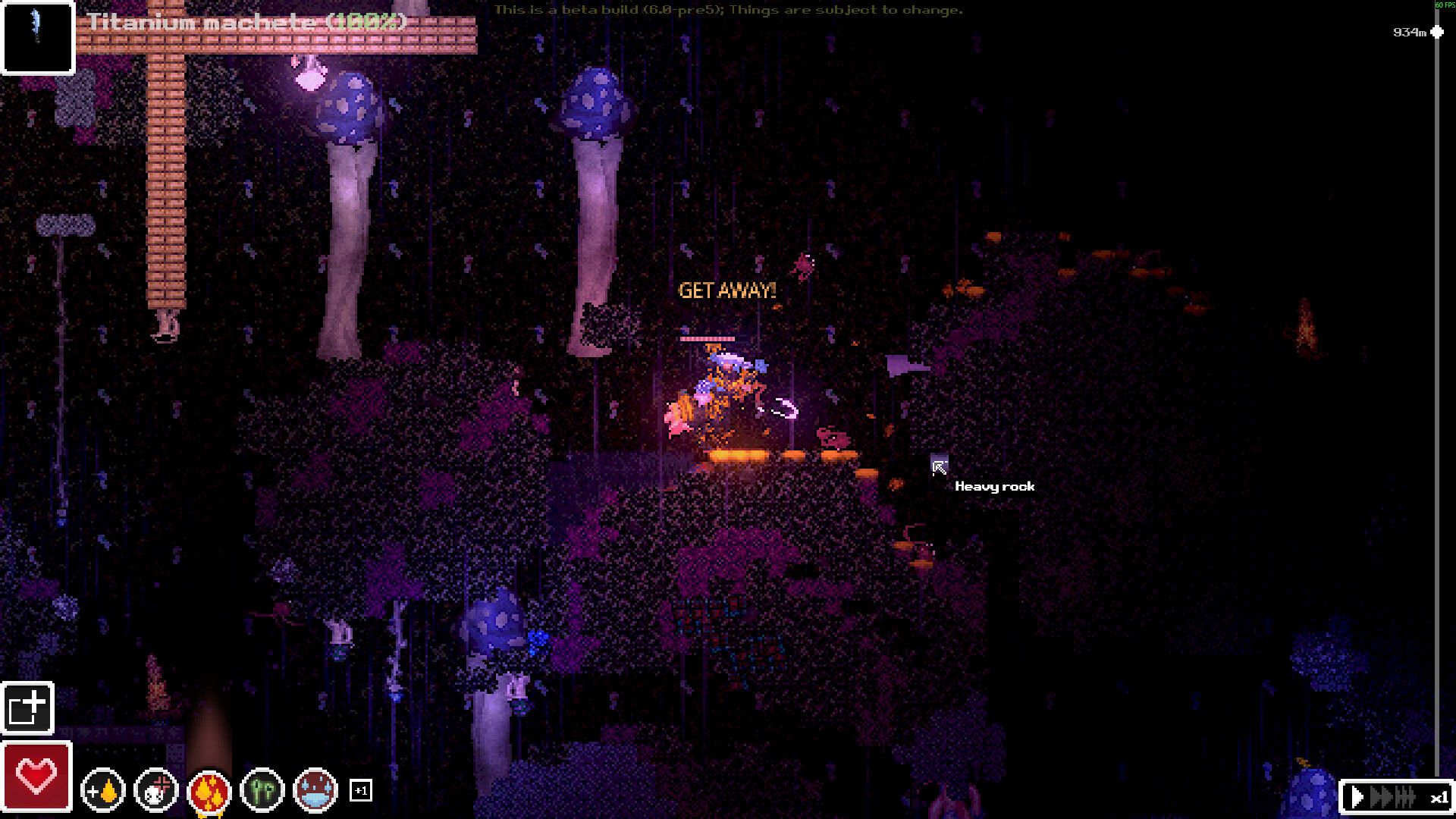
The distinction starts with what the listing actually promises. Players will need to bandage themselves, manage infected wounds and stabilize blood loss before losing consciousness. The store also advertises simulated cardiovascular and limb-damage systems. These descriptions put bodily vulnerability at the center of the survival challenge, but they do not establish medical accuracy or tell us how successfully those systems work in play.
Within the advertised fiction, the captors’ treatment of test subjects as expendable is a genuine moral wrong, not merely an unpleasant working condition. Genesis 1:27 places human identity in God’s creation of mankind, male and female, in his image. Applied as a Christian standard for reading this premise, human worth does not depend on retrieving cargo successfully. That is our ethical lens, not a claim about the protagonist’s species or an assertion that the game shares a Christian theology.
Nor should the captors’ cruelty be mistaken for the game’s endorsement of cruelty. Placing a player under an oppressive demand can expose its wrongness rather than celebrate it. The supplied premise establishes exploitation, but the store’s unanswered questions about the journey’s end leave an important limit: we cannot yet say whether success frees the protagonist from the captors or merely fulfills their demands.
Jesus’ Good Samaritan parable gives bodily care a more substantial meaning than maintenance. In Luke 10:34, within his answer about neighbor-love, the Samaritan binds an injured man’s wounds as part of showing mercy. The body before him calls for care because there is a neighbor in need, not because that person must be made useful. That distinction helps Christian players name what is missing from the captors’ view of their subjects.
There is an important limit to that comparison. Treating one’s own fictional wounds is not the same action as showing mercy to a neighbor. A player might bandage solely to continue the run, and nothing in the advertised mechanics proves otherwise. Still, Christians can recognize bodily care as something good without confusing the game’s immediate survival incentive with the fuller moral reason a vulnerable life deserves attention.
The strongest alternative reading is therefore straightforward: these systems may be about difficulty, not compassion. Orsoniks’s prototype/demo page presents repeated death as expected and emphasizes caution, patience and potentially permanent consequences for mistakes. A historical Demo 3 change made bandages reduce bleeding by a flat amount, leaving larger bleeds more dangerous. That is concrete evidence of tuning a survival challenge, not evidence of a lesson in mercy, and it does not confirm the release version’s exact rules.
That objection rightly limits what we can praise. We should not credit the developer with a humane message simply because the damage model is elaborate. But it does not make Christian interpretation irrelevant. A mechanic can serve the practical purpose of making survival harder while the surrounding fiction raises a moral question about whose survival counts and why. The defensible appreciation here is narrower: attention to wounds gives players a concrete point from which to consider vulnerability, while the captors’ mission exposes the inadequacy of valuing a life only as a tool.
Christian faith also sets a limit on self-preservation. In Luke 9:24, Jesus speaks of losing one’s life for his sake within his call to deny oneself, take up one’s cross and follow him. His teaching is not a dismissal of bodily care, nor a celebration of death. It means that faithfulness to Christ outranks survival. Applied here, keeping the protagonist alive can be the game’s objective without becoming the Christian player’s definition of the highest good.
Readers should also weigh the disclosed content rather than letting this ethical discussion soften it. The developers identify depression, violence, dismemberment, drug use and self-harm themes and advise discretion. The listing says mood affects survival, but it does not explain how depression is represented. Neither that mechanic nor the content warning establishes endorsement, and neither warrants conclusions about real-world mental illness or a sufferer’s moral responsibility.
The useful Christian judgment is therefore neither blanket approval nor condemnation based on the premise. Take the content warning seriously, appreciate the advertised attention to bodily vulnerability, and reserve judgment on the completed narrative. Above all, keep the central distinction clear: a captive’s wounds matter for more than the next cargo run. A body is not disposable equipment, and survival is not the final measure of a life’s worth.
Sources
Continue exploring Video Games coverage from Crosspad Gaming.