The Old King's Crown makes faction asymmetry easier to learn, then turns up the pressure

The Old King's Crown is receiving fresh attention with its second printing, and two hands-on accounts agree on the design choice that makes its faction differences manageable. Every player begins with mechanically identical cards. Individual powers and added cards create separation after everyone understands the shared foundation.
That gradual approach can make an asymmetric board game easier to teach. It does not make the full game gentle. The same reports describe permanent hand attrition, volatile battles, and a four-player board that can become difficult to calculate over a long session.
Crosspad has not conducted a firsthand review of The Old King's Crown. This is a buyer-facing synthesis of two attributed play accounts, with their praise and cautions kept in view.
Shared starting decks reduce the first-game burden
Wargamer's current hands-on analysis connects the second printing with a new chance to play the game. Its central observation is that the factions begin with mechanically identical decks even though their identities later diverge through powers and unlockable cards.
That common opening gives players a useful reference point. If every faction starts with the same card functions, a new player can learn what opponents might do without memorizing several complete decks at once. Faction powers can still alter movement, escape options, or risk management, yet those differences sit on top of rules everyone shares.
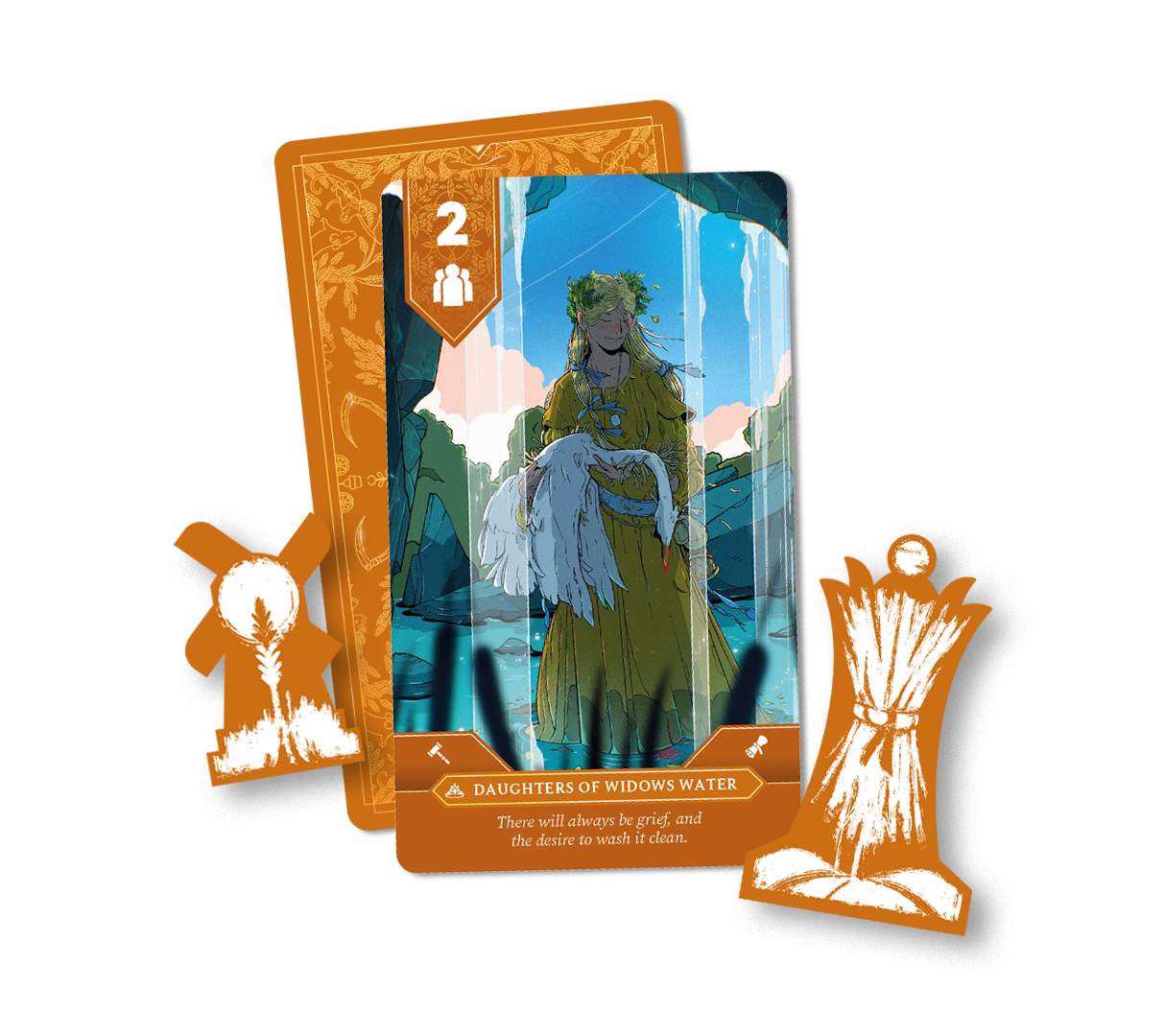
This is restrained asymmetry. The game gives each faction identity without asking the teacher to explain several unrelated systems before the first turn. For households where one experienced player introduces strategy games to everyone else, that can lower a major barrier.
Player Elimination finds the difficulty later
Player Elimination's independent long-form review describes the same progression. Players begin with matching cards, then develop their positions through faction abilities and cards acquired with lore. That agreement strengthens the claim that delayed asymmetry is a real structural feature, not one reviewer's passing impression.
The older review also adds the needed counterweight. It describes hand attrition as permanent, making every lost card matter beyond the current exchange. Battles can swing sharply, and a crowded four-player state can become hard to read. The reviewer prefers the clearer three-player game.
Those cautions change the buying conversation. An approachable opening does not guarantee an easy session. Players may understand what each card does and still face punishing decisions about where to commit resources, when to risk battle, and how to recover after losing part of a hand.
Player count may matter more than the faction choice
Many buyers will begin by asking which faction fits them. The two play accounts suggest that player count deserves equal attention. A full four-player board adds more threats, interactions, and possible battle outcomes. That can enrich a group that enjoys negotiation and tactical uncertainty. It can overwhelm players who want a clean view of cause and effect.
A three-player first game may offer a better teaching environment based on Player Elimination's preference. There are still rival plans to read, but fewer moving pieces compete for attention. Once the group understands attrition and faction growth, a fourth player can add complexity the table is ready to handle.
Families should also discuss how they handle irreversible losses. Permanent hand attrition can make choices feel consequential, which is often satisfying in a strategy game. It can also frustrate a younger player who sees an early mistake reduce later options. A teacher should explain that pressure before play and keep the table focused on learning, not on punishing the least experienced person.
Who should consider the second printing
The Old King's Crown looks suited to players who want faction identity without a wall of separate opening rules. The shared decks create common ground, while powers and later card additions let strategies branch over time. That structure can support repeat play because learning the base system does not erase the reason to explore another faction.
Groups seeking a light family game should be cautious. The hands-on reports point to long sessions, battle volatility, and lasting attrition. None of those features is inherently bad. They ask for patience and a table that can enjoy hard consequences without turning them into personal conflict.
The second printing gives interested buyers another opportunity to consider the game, and the strongest reason is its controlled use of asymmetry. The strongest warning comes from the same design: once the shared opening gives way to faction growth and permanent losses, the game expects careful attention. Start with three players if possible, teach the shared deck first, and make sure everyone wants the pressure that follows.
Continue exploring Boardgames coverage from Crosspad Gaming.