ICv2 Releases 'Internal Correspondence Annual' #107
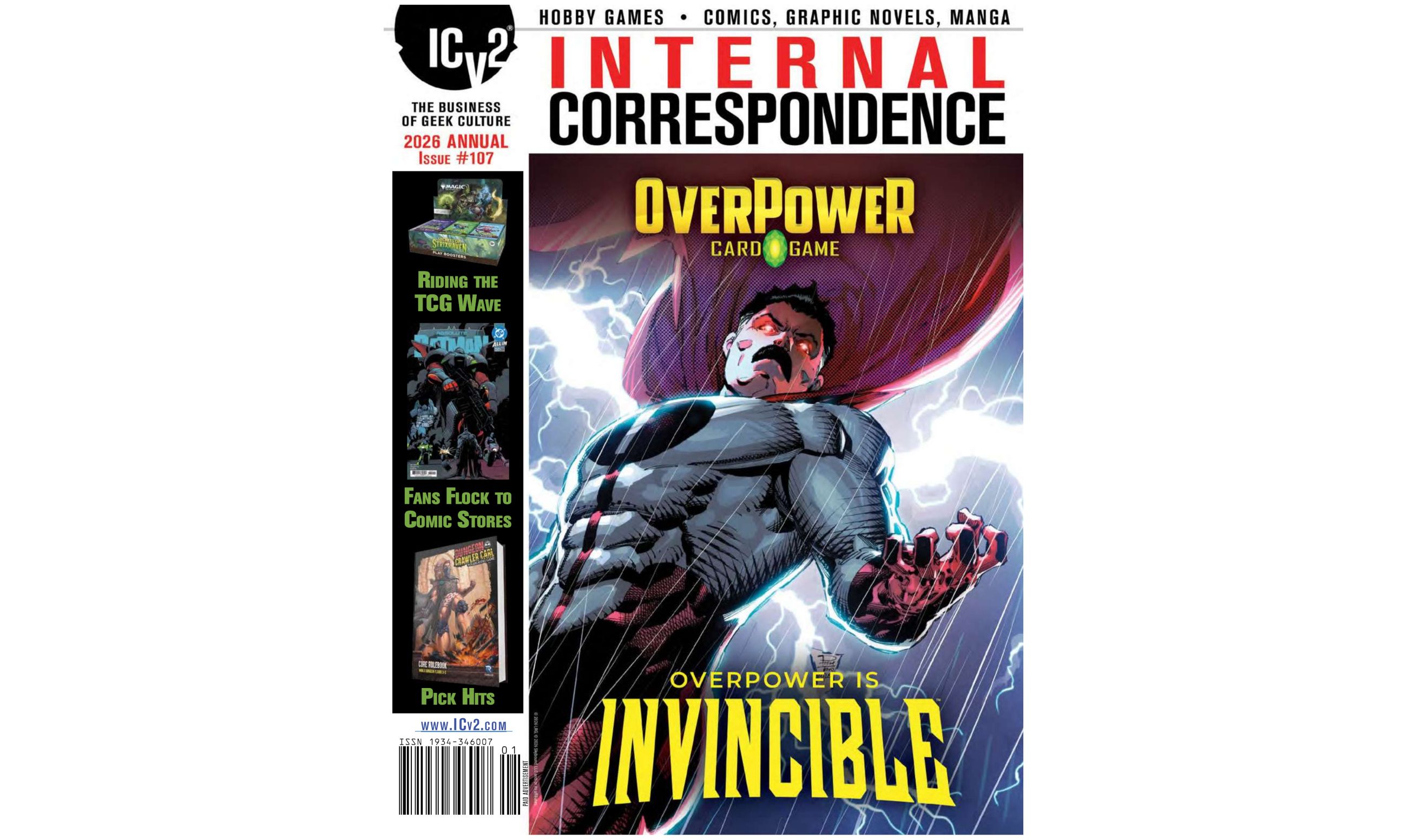
ICv2 has released issue #107 of its Internal Correspondence Annual, the industry's longest-running market report covering hobby gaming. This year's edition includes comprehensive sales data, market analysis, and trends affecting boardgames, trading card games, and related products.
For retailers, publishers, and investors in the hobby gaming space, this report provides one of the few windows into actual market performance. Unlike press releases or anecdotal reports, ICv2's data comes from aggregated sales figures across multiple channels.
What the report covers
Internal Correspondence Annual #107 examines several key areas:
Market Size and Growth. The report tracks overall sales in the hobby gaming sector. It breaks down growth by category, showing which segments are expanding and which are plateauing.
Sales Charts. ICv2 publishes ranking data for top-selling products. This includes boardgames, card games, accessories, and related merchandise. The charts reveal consumer preferences and emerging hits.
Category Analysis. Each major gaming category receives detailed attention. Boardgames, TCGs, RPGs, and wargames all get their own sections with category-specific trends.
Retailer Insights. The report includes data from retail partners, showing what sells in stores versus online. This helps publishers understand distribution patterns.
Investment and M&A Activity. Major business deals in the hobby gaming space get coverage. Acquisitions, funding rounds, and corporate changes shape the industry landscape.
Why this matters for players
Most gamers never see ICv2's reports. They focus on new releases, reviews, and rules questions. But market data affects what games reach the table.
When a category shows strong growth, publishers invest more in it. When sales decline, companies cut back or pivot. These business decisions determine which games get produced, which get marketing support, and which disappear from shelves.
For parents and collectors, understanding market trends helps with buying decisions. A game from a growing category might have better long-term support. A product from a declining segment might be harder to find later.
The report also reveals which companies are thriving. Strong performers tend to have more stable product lines, better customer support, and clearer roadmaps. Weaker performers might cut releases, reduce quality, or exit the market entirely.
The hobby gaming landscape in 2026
While the full report requires a subscription, ICv2 has shared some high-level observations about the current state of hobby gaming:
Boardgames remain strong. The boardgame category continues to show steady growth. Family games, strategy titles, and cooperative experiences all perform well. The post-pandemic boom has settled into sustainable demand.
TCGs face competition. Trading card games still drive significant revenue, but they face more competition than before. Digital alternatives, new entrants, and player fatigue all affect the market. Established games like Magic: The Gathering and Pokémon maintain dominance, but newer titles struggle for shelf space.
RPGs grow steadily. Tabletop roleplaying games have found a stable niche. D&D remains the category leader, but smaller publishers carve out loyal audiences. Actual play content and streaming have expanded the player base.
Retail consolidation continues. Independent game stores face pressure from big-box retailers and online marketplaces. Some adapt through community building and specialized service. Others close or pivot to other products.
For retailers and publishers
The ICv2 report serves business audiences most directly. Retailers use it to plan inventory and identify trends. Publishers use it to decide which products to develop and how to position them.
A strong showing in ICv2 data can attract distributor attention. Weak performance can signal the need for course correction. The report helps companies make informed decisions. Guessing leaves them vulnerable to market shifts.
This is especially important in hobby gaming, where trends move fast. A game that sells well today might struggle next year. A category that seems niche might explode into mainstream success. Data helps companies navigate these shifts.
Transparency in an opaque industry
One challenge in hobby gaming is the lack of public sales data. Unlike books or movies, game sales are rarely disclosed. Publishers share what they want, when they want.
ICv2 fills this gap by aggregating data from multiple sources. The methodology has limitations. It provides more transparency than most industry reports.
For a Christian audience that values honesty and good stewardship, this transparency matters. Knowing how the market actually performs helps consumers make wise choices. It helps investors avoid hype. It helps creators understand what players truly want.
Access and limitations
Internal Correspondence Annual is a subscription product. ICv2 offers some free content on its website, but the full report requires payment. This limits access for independent researchers, small retailers, and curious players.
The subscription model makes sense for ICv2. Gathering and verifying this data costs money. Publishers and retailers benefit directly from the insights, so they pay for access.
For players who cannot afford a subscription, the takeaway is simple: pay attention to what ICv2 shares publicly. Follow hobby gaming news sites that report on ICv2 findings. Watch which games get reprinted or expanded. These signals often reflect the underlying market trends.
A tool for discernment
Market reports like ICv2's Internal Correspondence Annual serve business purposes. They are business tools. They serve an important function in the hobby ecosystem.
They help players understand the industry behind the games they love. They help retailers stock products that will sell. They help publishers invest wisely. They help investors avoid hype.
For families who want to support healthy gaming businesses, knowing which companies perform well and which struggle is valuable information. It helps direct support toward sustainable operations and away from failing ventures.
Issue #107 arrives at a time of continued change in hobby gaming. The data it contains will shape decisions across the industry for months to come. Players might not see the report, but they will feel its effects in store shelves, release schedules, and product availability.
That is the power of market intelligence. It works quietly in the background, guiding choices that eventually reach the table.
Continue exploring Boardgames coverage from Crosspad Gaming.