Game launches are becoming events because ordinary sequels no longer cut through the noise
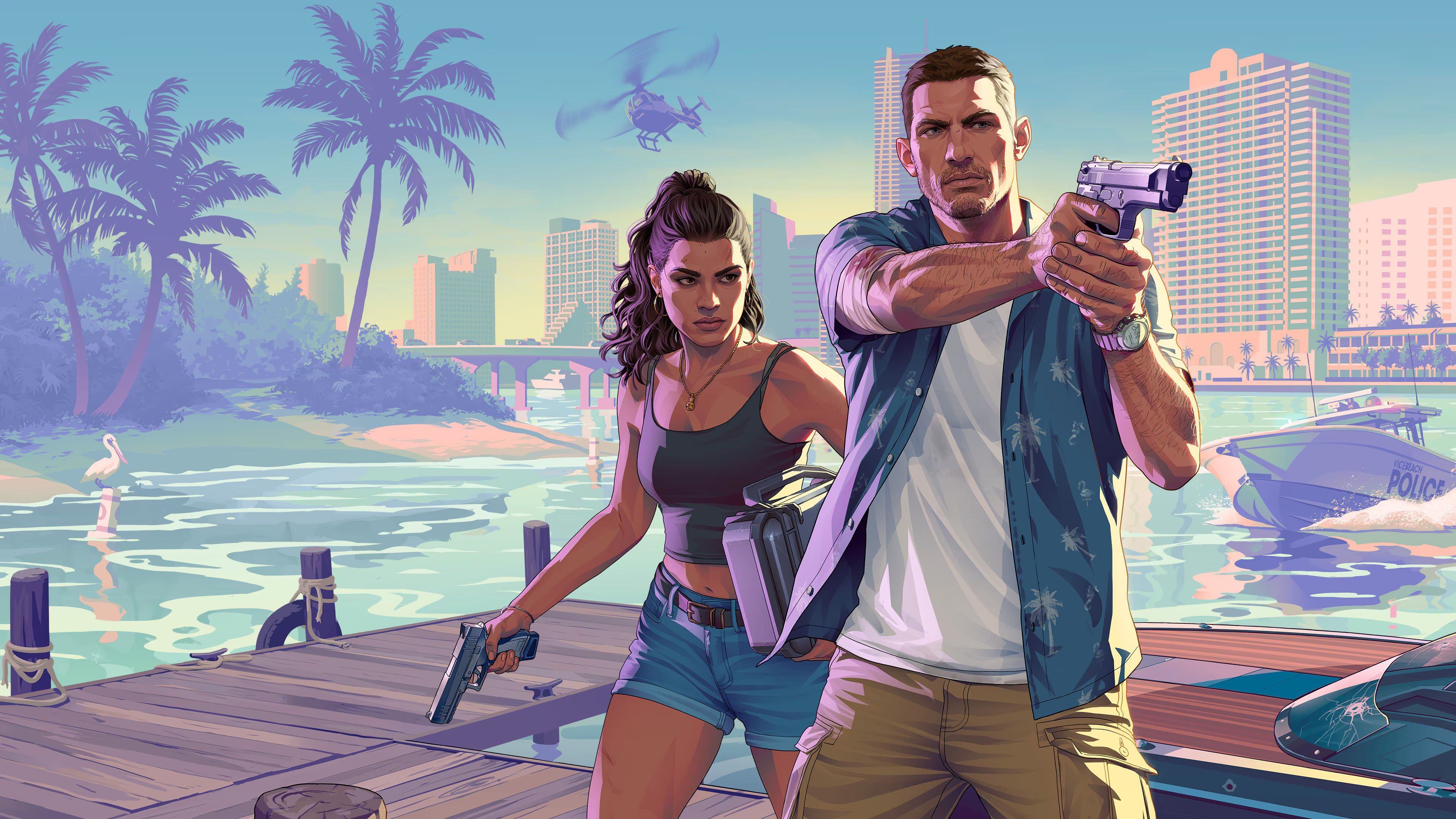
The old sequel machine is weaker than it used to be. GamesIndustry.biz argues that players now respond more strongly to launches that feel like cultural events, while steady franchise cadence has faded outside sports games and Call of Duty. That fits the current market mood: games take longer, attention is harder to win, and a normal sequel can feel invisible beside a release that everybody treats like an appointment.
Ezra's record is useful because it does not leave that claim sitting on one opinion piece. GamesBeat's interview with Circana's Mat Piscatella adds spending context, especially around affordability pressure and the market waiting for GTA VI. The Game Business reports Ampere analysis on how GTA VI could pull attention from shooters, sports games, sandbox games, and newer online releases. Together, the sources point to the same reader problem: big launches increasingly compete for family budgets, social attention, and household habits.
the annual sequel habit is fading
GamesIndustry.biz says the long-running logic around sequels has changed. Publishers once tried to keep hits hot with rapid follow-ups and annualized franchise planning. The article argues that approach has weakened across the last decade. Sports games remain on a yearly schedule, and Call of Duty is still treated as the last major annual franchise standing, according to the piece. Other successful games now often wait five or six years between entries.
Some of that is practical. Large games take longer to make. Post-launch updates and downloadable content can extend a title's life. Live service games also moved the cadence inside the game itself, where major content drops can arrive without a numbered sequel.
The reader-facing consequence is sharper than the production explanation. When a sequel arrives after a long gap, the publisher often needs the release to feel bigger than another box on a calendar. The marketing has to create a moment. The community has to feel present. The purchase has to seem connected to shared timing.
That is why GTA VI keeps appearing in the discussion. It is not only another sequel. The long wait has turned it into a pressure point for the whole market.
affordability changes the buying decision
GamesBeat's interview with Piscatella gives the event-launch idea a harder edge. He said consumer spending is holding reasonably well, while affordability pressure remains real and the industry is getting worse at giving people affordable things to play. He also framed GTA VI as carrying extremely high expectations for market impact.
That matters because an event launch does not ask for attention alone. It usually asks for money at the same time. Players may face standard editions, premium editions, subscriptions, battle passes, early-access packages, cosmetics, and social pressure from friends who all want to start on day one.
For families, the problem is less the existence of a hyped release and more the way hype compresses decision making. A normal purchase can be delayed. An event launch trains players to feel late before they have even checked whether the game fits the household, the budget, or the player's maturity.
Parents should pay attention to that pressure. So should adult players. A game can be excellent and still be a poor day-one purchase for a particular season of life. Waiting a week can lower the noise, reveal technical issues, clarify content concerns, and make the real cost easier to see.
attention migration is part of the business plan
The Game Business adds the clearest market-data angle. It reports Ampere's Winning Attention & Defining Cultural Moments findings around GTA VI, including the claim that the launch is likely to affect all games and particularly appeal to players of shooters, sports games, sandbox titles, and newer online releases.
The article also cites Ampere's analysis of GTA Online in December 2025. After the Safehouse In The Hills update, GTA Online saw a 29 percent jump in players and 4.7 million new players, according to the report. Ampere said 15.5 percent came from the newly released Battlefield 6, while 12.3 percent came from Fortnite and the same share came from Call of Duty titles.
Those numbers explain why publishers fear a true event launch. It can move players away from games they were already playing. That makes the event model powerful for the winning release and dangerous for everything nearby.
For readers, it also explains why marketing around these games feels so intense. Publishers are competing for a limited attention budget. When a release becomes a social center of gravity, other games lose evenings, friend groups, and spending.
the Crosspad angle: protect attention before launch week
The family angle is practical. Treat event launches like holidays with a price tag. Decide ahead of time whether the household is buying, waiting, or skipping. Check content ratings and monetization details before social pressure peaks. If multiplayer friends are involved, discuss expectations early so a teenager does not feel forced into an expensive purchase to keep a group.
Christian discernment does not require panic about popular games. It does require honesty about appetite. Event marketing works because people want to belong. That desire is human, and it can be good when it leads to shared joy. It becomes unhealthy when belonging depends on immediate spending or fear of missing out.
Adult players need the same guardrail. A launch that feels communal can be fun. It can also become one more demand on time already promised to work, family, church, and rest. The wise move is to choose before the countdown clock starts shouting.
what to watch next
Watch how publishers price their biggest releases, how much content sits behind premium editions, and whether day-one multiplayer expectations become the real selling point. Also watch games scheduled near GTA VI. The Ampere data suggests those titles may have to fight harder for retention if Rockstar's launch becomes the attention event analysts expect.
For Crosspad, this is a discovery-lane story with a clear reader use. The sources are not telling families to avoid big games. They are showing how the market is being built around attention capture. That gives households a simple rule: decide with a calendar, a budget, and a content check before the internet tells you the decision has already been made.
source notes
GamesIndustry.biz argues that players respond to event-style releases and that annual franchise cadence has largely faded outside sports games and Call of Duty.
GamesBeat interviewed Circana's Mat Piscatella about consumer spending, affordability pressure, and expectations around GTA VI.
The Game Business reports Ampere analysis on GTA VI's likely attention impact across shooters, sports games, sandbox games, and new online releases.
Continue exploring Video Games coverage from Crosspad Gaming.