Cyberpunk TCG chooses Melee.gg for organized play after its record Kickstarter
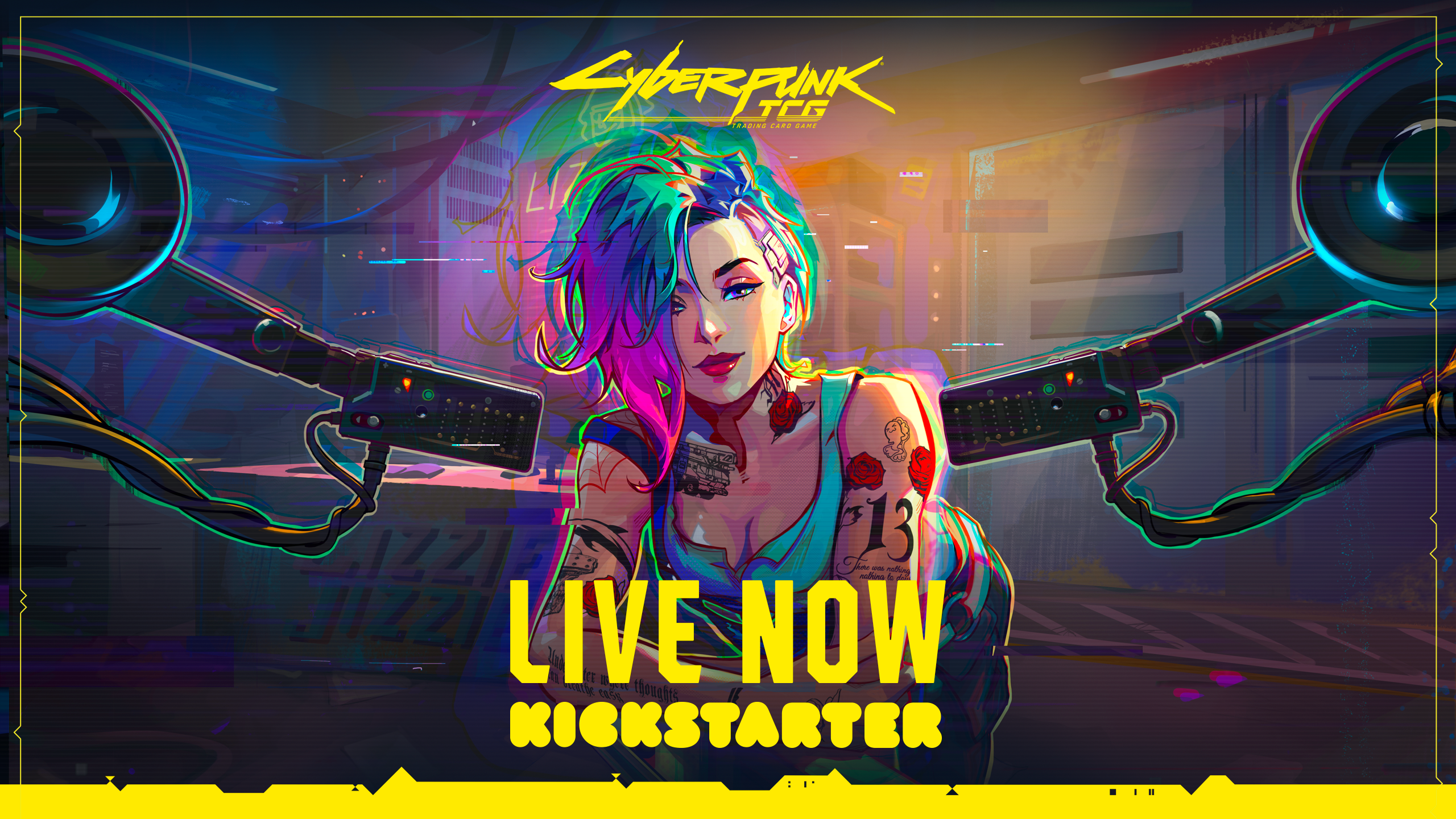
Cyberpunk Trading Card Game is moving from crowdfunding heat toward organized play infrastructure. WeirdCo announced through PR Newswire that it has selected Galactic Events Studio's Melee.gg to power Cyberpunk TCG organized play. ICv2 separately reports the partnership and adds trade context around Galactic Events Studio, Best Coast Pairings, store reach, localization, and the game's large Kickstarter campaign.
The official release says Melee.gg will support event registration, tournament management, player experience, decklists, results, reporting, and future program customization. It also cites 50,773 Kickstarter backers and $28,353,088 pledged before release. Those are huge numbers for a card game before the local-store reality test has even begun.
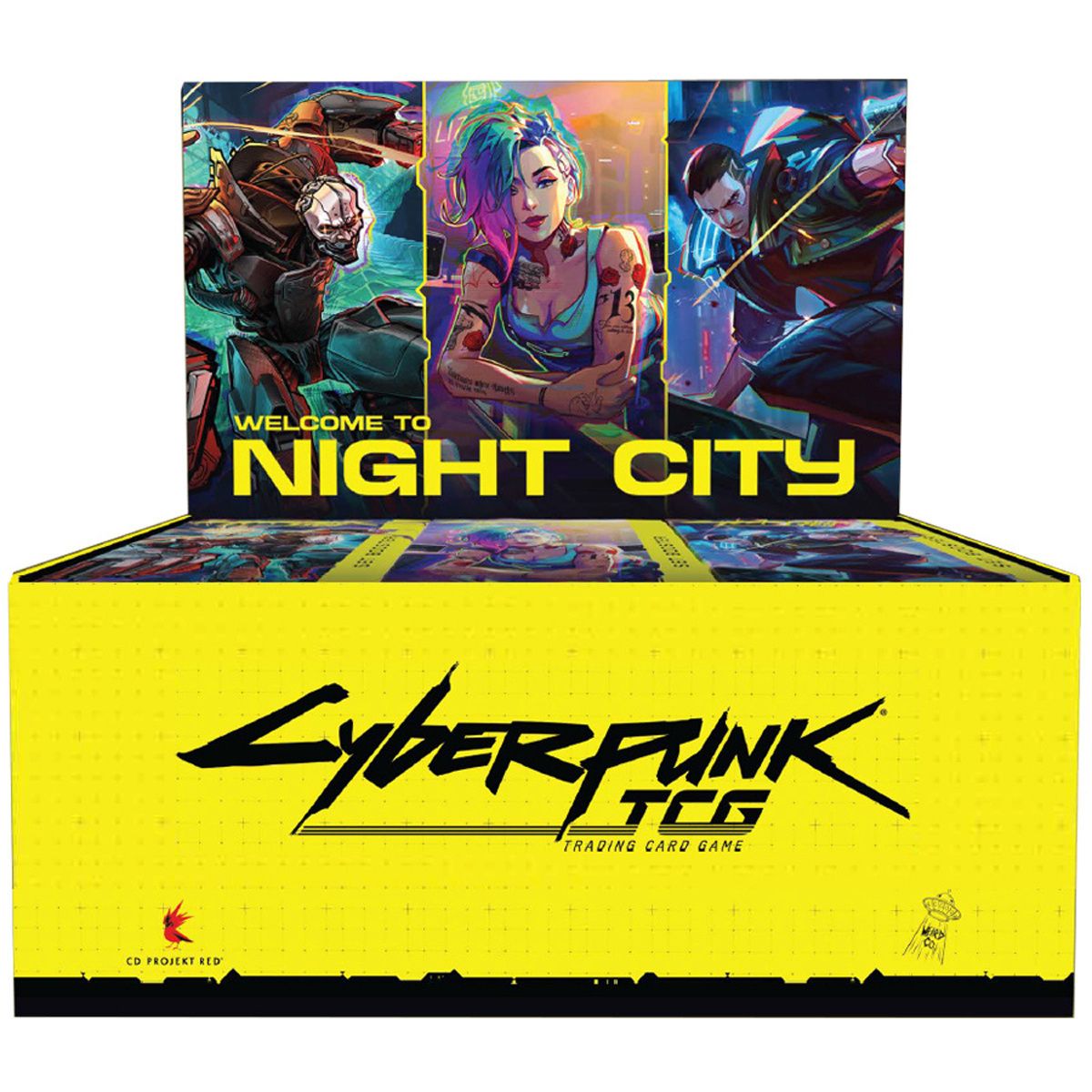
Infrastructure is where hype meets the store
A licensed TCG can make a loud entrance. Cyberpunk has brand power, a visual identity, and a crowdfunding total that signals real demand. None of that automatically creates a healthy weekly scene. Card games live or die at the store level, where players need clear pairings, reliable reporting, fair expectations, and a reason to return after the first wave of excitement settles.
That is why the Melee.gg detail matters. Tournament software is boring until it fails. Then everyone feels it. Registration affects whether players can enter easily. Decklist systems affect trust. Result reporting affects standings, prize support, and long term program credibility. Future customization affects whether the publisher can build events that match the game's actual community instead of forcing every store into a generic template.
ICv2's reporting adds the retail side. Galactic Events Studio is connected to Best Coast Pairings and supports more than 8,100 stores, with localization in 10 languages. That does not guarantee success for Cyberpunk TCG. It does show that WeirdCo is choosing an experienced infrastructure partner instead of improvising organized play after launch.
Store owners will care about the unglamorous pieces first. Can players register cleanly? Can judges and staff move through rounds without confusion? Can results flow into the system without hours of cleanup after closing? Those details shape whether a new TCG becomes a weekly habit or a one-month burst.
That is where a family or casual player will feel the difference fastest: at sign-up, during pairings, and after a close match.
Why families and local players should care
For a family or a new player, organized play can be either an invitation or a pressure machine. A strong program gives people a clear way to learn, compete, and meet other players. A weak program turns a promising card game into confusing weekly noise, especially when decklists, rankings, and event expectations are unclear.
Cyberpunk also brings a setting that many parents will want to evaluate with eyes open. The larger franchise is known for mature themes, violence, body modification, corporate corruption, and adult dystopian material. A card game may handle that content differently from a video game, and Crosspad should avoid pretending the formats are identical. Still, the license carries a tone. Families should check art, card names, event atmosphere, and store culture before assuming the tabletop version is automatically lighter.
The spending side matters too. A record Kickstarter can create fear of missing out long before a player knows whether the game will have healthy local support. Organized play is part of that answer. If local stores can run stable events and teach new players well, the game has a stronger path. If the scene depends only on preorder energy and collector urgency, the first year gets much shakier.
What the partnership proves, and what it cannot prove yet
The partnership proves that WeirdCo is taking organized play seriously before release. It proves the publisher wants tools for registration, tournament management, decklists, results, reporting, and future program design. It also proves Cyberpunk TCG has enough early momentum to justify a serious retail plan.
It cannot prove the game will be balanced. It cannot prove local stores will adopt it. It cannot prove the community will stay welcoming once competitive incentives arrive. Those questions require product quality, store execution, and time.
For retailers, the next things to watch are demo support, launch kits, event cadence, prize structure, and how easily Melee.gg workflows fit regular store operations. For players, the better question is whether there will be a consistent place to play near them. For parents, the question is whether the local scene rewards patience, fair play, and wise spending.
Cyberpunk TCG has the crowdfunding number. Now it needs the harder thing: a table culture that can carry the game after the campaign glow fades.
Sources
WeirdCo and Galactic Events Studio: WeirdCo and Galactic Events Studio
ICv2: ICv2
Continue exploring CCGs/TCGs coverage from Crosspad Gaming.