

SPIEL Essen adds B2B matchmaking for the business side of board games
SPIEL Essen has added a B2B matchmaking tool for exhibitors and business visitors ahead of its October 22-25, 2026 board-game fair. This is trade infrastructure, not an attendee perk, and that distinction is the key to understanding why it matters.
BoardGameWire reports that SPIEL launched the system to help industry professionals find business partners before the show. The official SPIEL announcement says the tool is meant to connect business visitors and exhibitors with fitting contacts, giving users a way to prepare profiles and begin partner discovery before they arrive in Essen.
SPIEL's dedicated matchmaking page gets more specific. It describes smart search, seeking and offering filters, business inquiries, chat, and appointment scheduling. It also says the system is exclusive to business visitors and exhibitors. In plain terms, this is a pre-show meeting engine for publishers, designers, distributors, retailers, and other trade people trying to make the fair more productive.
That sounds distant from the normal player walking the halls, yet it still affects what eventually reaches the table. Board games do not appear in local stores by magic. Designers need publishers. Publishers need distributors. Retailers need reliable lines and clear ordering information. Translators, manufacturers, artists, licensing partners, and media outlets all circle the same ecosystem. A better meeting system can help the serious conversations happen earlier and with less wasted time.
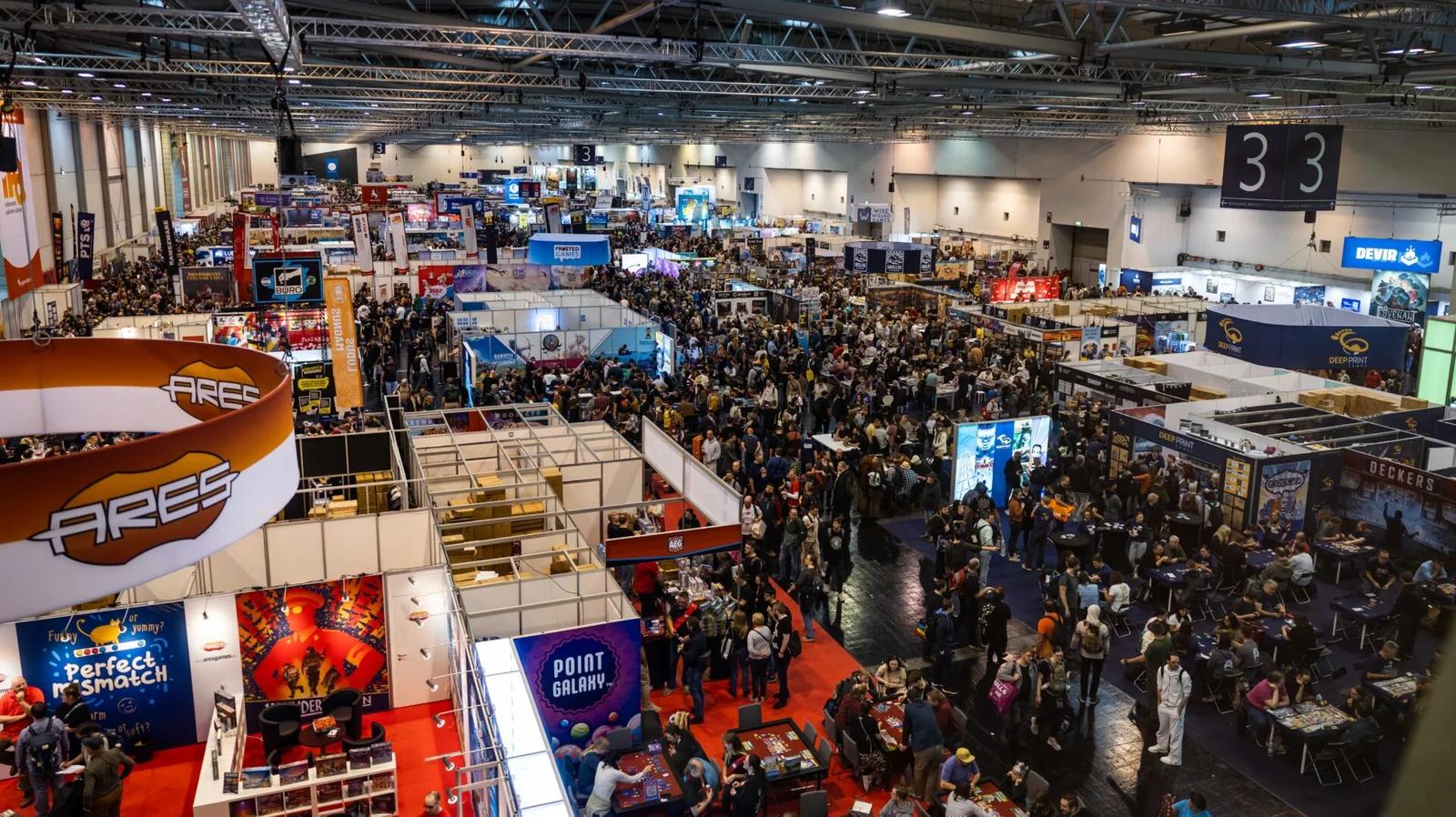
For Crosspad readers, the important part is stewardship. The hobby depends on commerce, and commerce can be done well or poorly. A crowded convention can reward whoever shouts loudest, books the flashiest booth, or has enough staff to chase every conversation. A matchmaking tool will not make the board-game business virtuous on its own. It can make the process more orderly for smaller teams that need the right meeting more than a louder megaphone.
There is a fairness angle here too. Big publishers already have private channels, standing retailer relationships, and teams that can work a show floor all day. Smaller publishers often depend on one or two people carrying the whole business on their backs. A structured tool cannot erase that difference. It can at least make discovery less random, which is good for a hobby that depends on new voices finding a path to market.
There is also a player-facing consequence for discovery. Many of the games families end up buying in 2027 and 2028 will be shaped by deals made months earlier. A regional publisher may find an English-language partner. A retailer may discover a line that fits church game nights or family tables. A designer may get a second meeting that would have been lost in the noise of the halls. Those outcomes begin in boring business tools before they become boxes on shelves.
The caution is that this is not a consumer feature. Regular attendees should not read the announcement as a new way to find pickup games, demo partners, or fan meetups. SPIEL's own page limits the tool to business visitors and exhibitors. If you are going to Essen as a hobbyist, the practical benefit is indirect. You may see a healthier show floor and, later, a wider pipeline of games.
The evidence is strong enough for an industry explainer because two source owners materially contribute. BoardGameWire supplies the trade-news context and frames the system around industry partner discovery. SPIEL's official pages supply the tool details, access limits, and scheduling features. Those are separate pieces of the story, not duplicated blurbs.
This is the sort of board-game business story that deserves a place beside release-date coverage. It will not trend like a new miniature reveal, and it does not need to. The board-game hobby is built through relationships, distribution, and patient coordination. A fair the size of SPIEL needs systems that help good games find the right people before the opening rush swallows everyone.
The family connection is indirect, yet it is real. Parents rarely care which distributor met which publisher at a trade fair. They care whether a game is available, supported, translated, and stocked by a trustworthy shop. Those visible outcomes often start with invisible business meetings. Good infrastructure cannot guarantee better games, but it can reduce friction between creators and the stores that serve actual communities.
If you work in the industry, the action item is obvious: build the profile early and use the filters before your calendar hardens. If you are a player, keep the story in perspective. The tool is backstage, but backstage work often decides which games get translated, stocked, demoed, and supported after the fair closes.
Continue exploring Boardgames coverage from Crosspad Gaming.