Yu-Gi-Oh's serial-numbered Grand Master Rares need a collector warning label for families
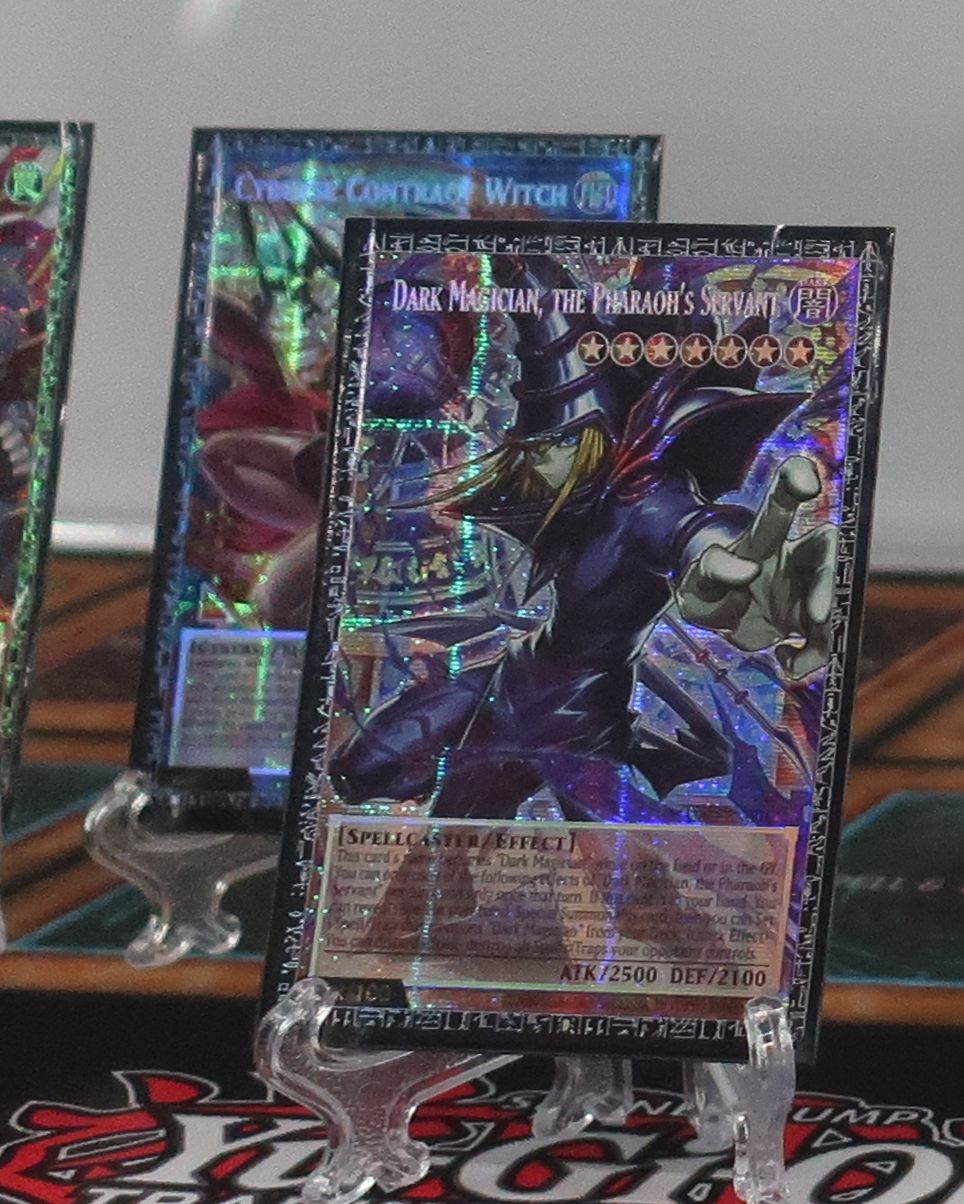
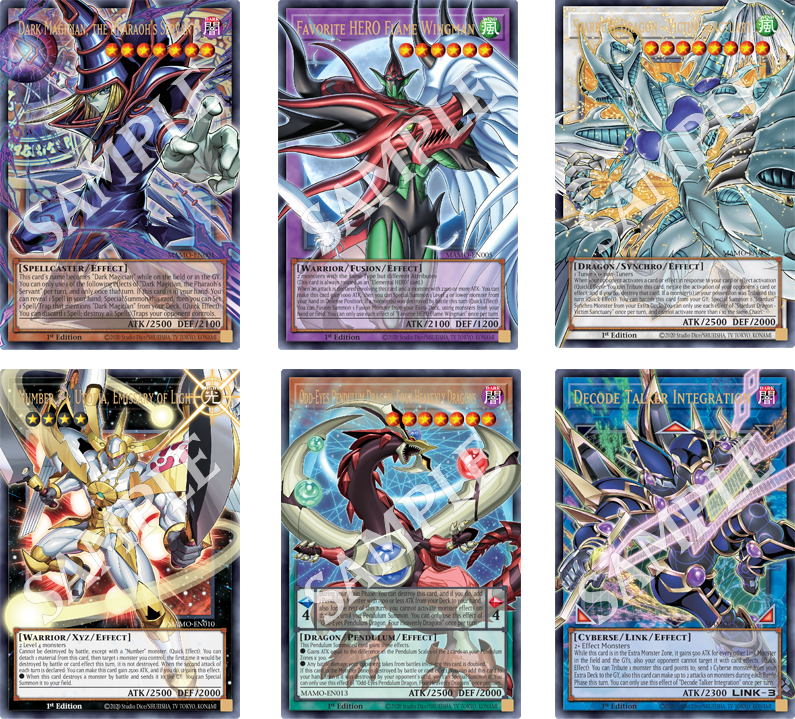
Konami previewed the first serial-numbered Grand Master Rares from Yu-Gi-Oh! TCG at San Diego Comic-Con 2026. The Magnificent Monsters set launches September 4, 2026, with 18 reimagined anime cards, extended art versions, and Grand Master Rares numbered 001 through 100.
This is a strong collector-discernment topic for families. Serial-numbered chase cards can make a family-friendly TCG feel like a scarcity machine. The useful article here is not hype. It is helping parents and players understand what the product is trying to trigger.
What Magnificent Monsters actually contains
Konami's official product page confirms the set structure. Magnificent Monsters arrives at Official Tournament Stores on September 2, with general release on September 4. The $34.99 MSRP covers a 126-card set featuring reimagined anime cards and extended art versions.
The Grand Master Rares are the key selling point. Each card is serial-numbered from 001 to 100, with only 100 copies printed per card per region grouping. This is Konami's first foray into serial-numbered TCG cards. The scarcity model mirrors high-end collectibles. This differs from traditional booster distribution.
ICv2 reports that Konami previewed specific cards at the SDCC 2026 booth. Dark Magical Curtain, Favorite Hero Flame Wingman, Dark Magician, and The Pharaoh's Servant were shown as examples of the Grand Master Rare treatment. These are recognizable cards receiving limited-edition status.
Bleeding Cool adds context about the set structure and scarcity framing. The regional grouping system means collectors in different areas compete for separate print runs. This adds complexity to the chase and affects secondary market availability.
The collector warning label
Serial-numbered cards create a different purchase dynamic. Traditional TCG collecting focuses on gameplay utility or complete set acquisition. Grand Master Rares shift the conversation toward investment, scarcity, and completion of a limited series.
For families, this means clear decisions about spending. A $34.99 booster box might contain common cards for gameplay and one chance at a serial-numbered rare. The odds are not public. The 100-copy limit per card per region suggests tight distribution.
The reimagined anime cards appeal to nostalgia. Dark Magician and Flame Wingman have decades of recognition among Yu-Gi-Oh! players. Extended art versions provide visual interest without changing gameplay. These elements make Magnificent Monsters attractive beyond the chase cards.
Parents should understand the psychological pull. Serial numbers create artificial scarcity. Limited editions trigger collecting instincts that can override budget discipline. Families who have discussed spending limits around TCG purchases need to apply those same boundaries here.
Why this matters for Crosspad readers
Yu-Gi-Oh! TCG has maintained family-friendly positioning while building competitive depth. Magnificent Monsters tests whether that balance holds when Konami introduces collector-focused scarcity. The serial-numbered model could appeal to adult collectors while confusing younger players.
The September launch provides a decision window. Families following Yu-Gi-Oh! should evaluate whether Grand Master Rares fit their collecting goals. The reimagined anime cards offer value independent of serial numbers. Players focused on gameplay can ignore the chase aspect.
Organized play and tournament scenes may respond differently. Competitive players care about card availability and format legality. Collectors care about scarcity and completion. Magnificent Monsters serves both audiences but with different value propositions.
Konami's first serial-numbered TCG release will set expectations for future products. Success could mean more limited editions across Yu-Gi-Oh! sets. Failure might lead to adjusted distribution models. Families watching this launch are watching a potential shift in how the TCG approaches collectors.
The Official Tournament Store launch date of September 2 suggests prerelease events and organized play integration. Families planning to attend should check with local stores about Magnificent Monsters availability and any special ordering requirements for booster boxes.
Practical guidance for families
Know the difference between gameplay cards and collector cards. Magnificent Monsters contains both. The reimagined anime cards and extended art versions serve gameplay and collection purposes. Grand Master Rares serve the collector market primarily.
Set spending limits before opening boosters. Serial-numbered chase cards create temptation. Families who establish boundaries upfront avoid impulse purchases driven by scarcity marketing.
Understand regional grouping. The 100-copy limit per region means availability varies by location. Collectors in high-demand areas face stiffer competition for Grand Master Rares.
Evaluate interest in the full set. Completing a serial-numbered collection requires significant investment. Families should consider whether partial acquisition satisfies collecting goals or if completion is necessary.
Talk about the difference between value and price. Serial-numbered cards may appreciate or depreciate based on market demand. Families treating this as investment should research secondary market trends before committing.
Magnificent Monsters launches September 2026 with serial-numbered Grand Master Rares. Families drawn to Yu-Gi-Oh! collecting should approach this set with clear expectations. The reimagined anime cards provide genuine appeal. The serial numbers add collector pressure that requires intentional management.
Continue exploring CCGs/TCGs coverage from Crosspad Gaming.