StarCraft: The Miniatures Game gets new starter on-ramps and faction support
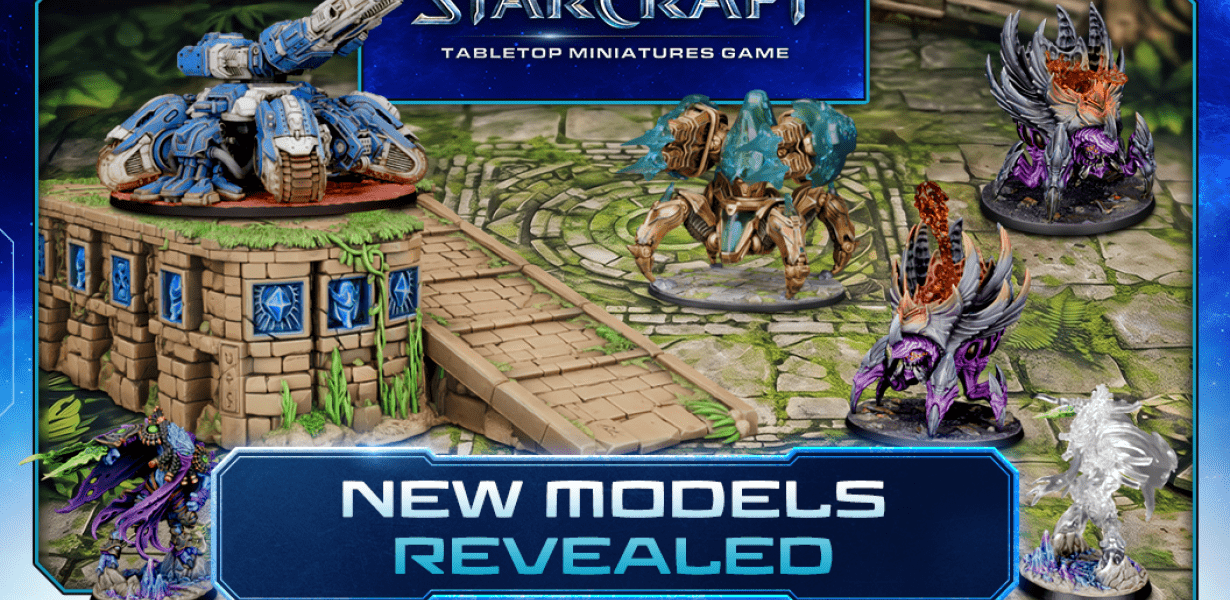
StarCraft: The Miniatures Game is getting a clearer tabletop on-ramp. ICv2 reports that three new faction starter sets for Protoss, Terran, and Zerg are incoming on August 31, 2026, along with a new rulebook. Archon Studio's official line update also shows the game moving beyond its first wave with new units for the three factions.
That combination matters because licensed miniatures games live or die by entry clarity. StarCraft has name recognition, strong faction identity, and decades of player affection. A family looking at the tabletop version still needs to know what they are buying, where the first real decision point sits, and how quickly a starter set turns into an expanding hobby shelf.
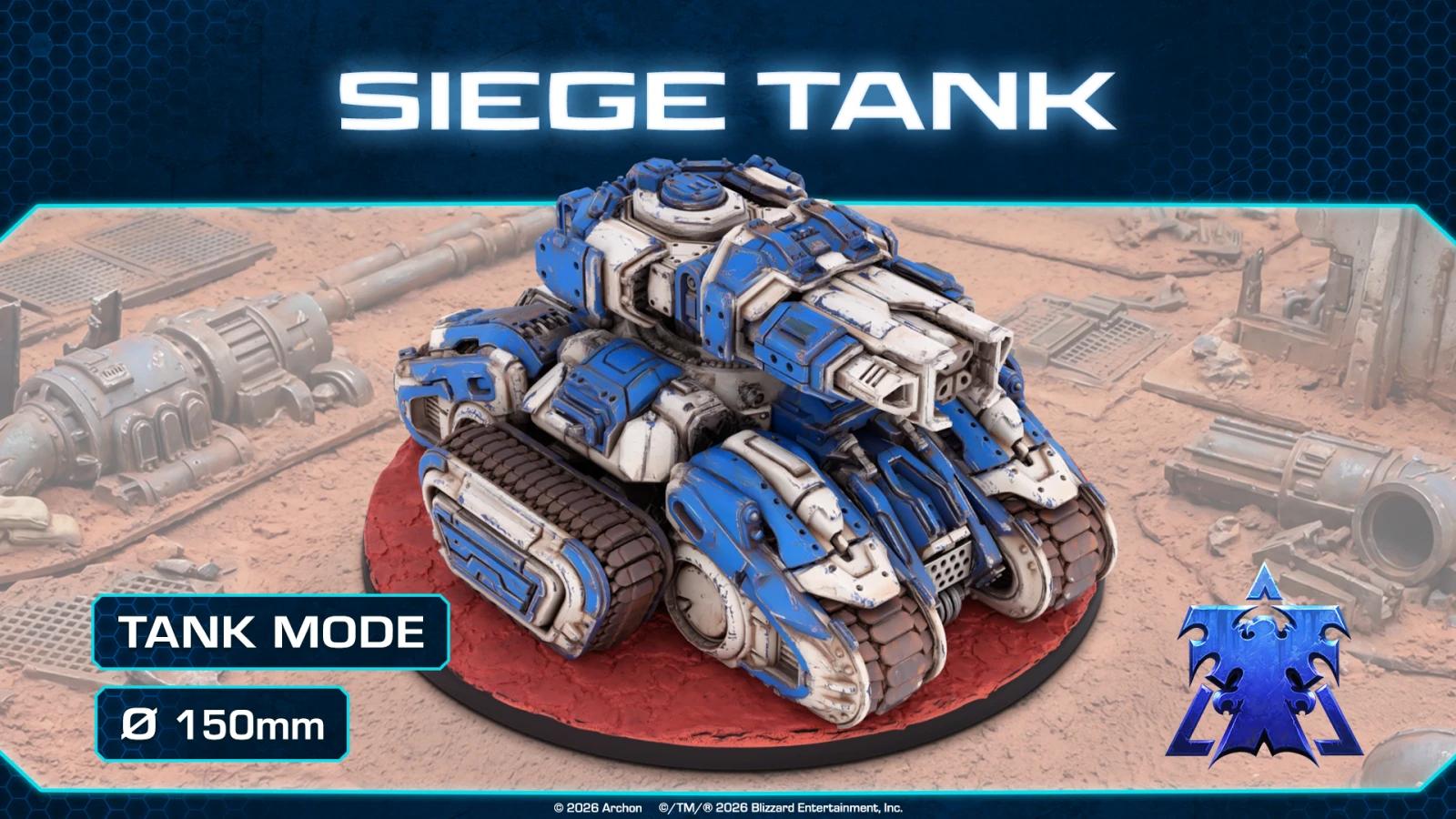
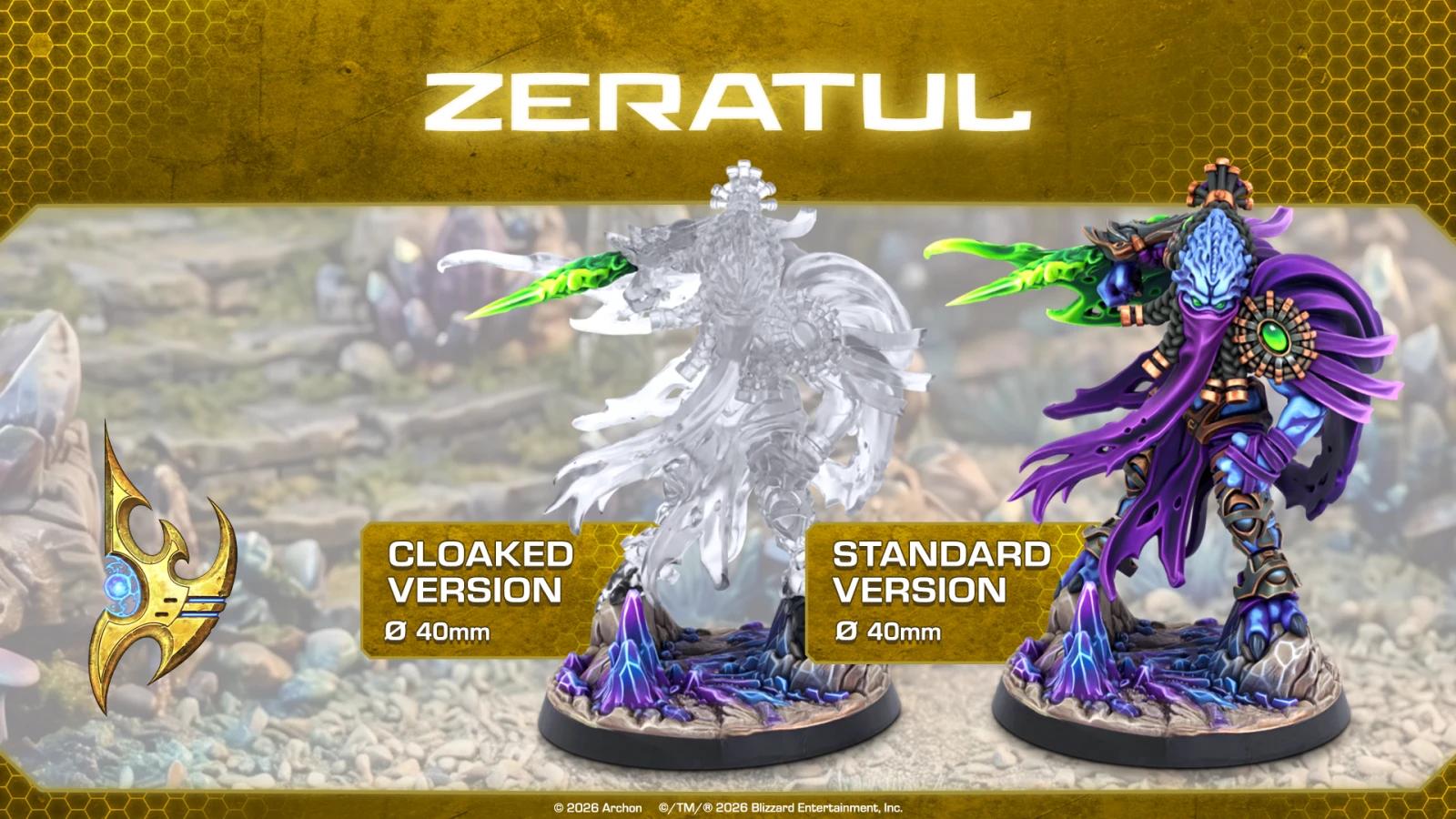
Archon's official update gives the product line its tactical shape. The post highlights new Terran, Protoss, and Zerg additions, including units such as the Siege Tank, Immortal, and Zeratul. It frames the wave as support for existing forces, which is healthier than asking players to restart their collection every time a new release appears.
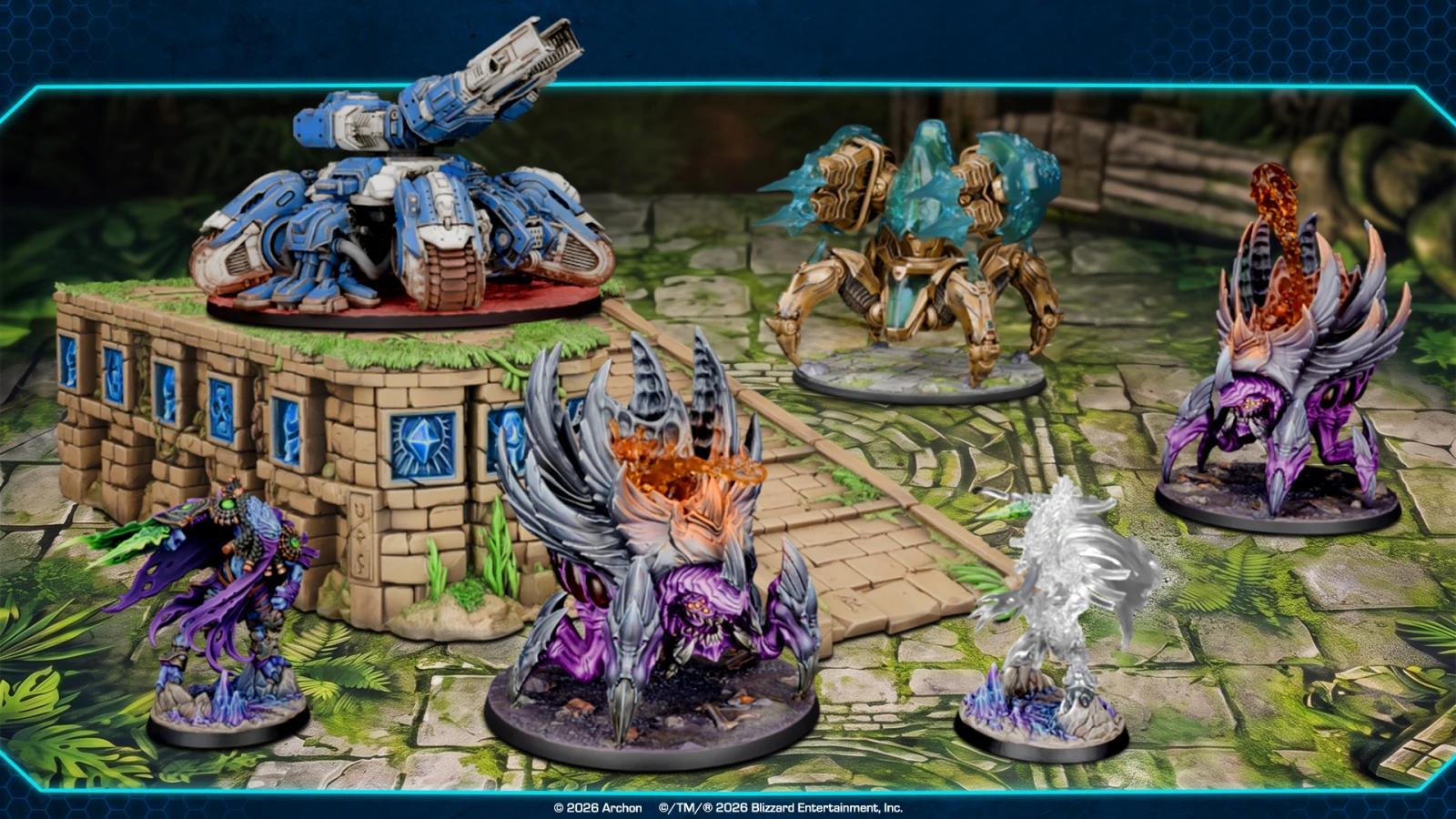
ICv2 adds the retail structure that hobby players need: three faction starters and a new rulebook dated for August 31. Wargamer's earlier preview gives older launch context, including how the two-player starter and Protoss starter were positioned as entry products. Put those together and the story becomes clearer. Archon is supporting the line with faction-specific paths, not only one big box for people already committed.
That is good news for wargames coverage. Crosspad has to avoid letting Games Workshop swallow the whole lane. Warhammer deserves frequent attention because it is massive, but a healthy tabletop beat also follows serious non-GW lines when they have real source support. StarCraft qualifies. It is a major video-game license trying to earn space on miniature tables.
For families, the stewardship question is simple and concrete. A starter set is rarely the whole cost of a miniatures game. Players may need paints, storage, hobby tools, table space, extra units, and time to learn rules. That does not make the game a bad choice. It makes it a bigger choice than a normal board game purchase.
The faction starters could help if each box gives a clean first step. Terran, Protoss, and Zerg already communicate playstyle to many StarCraft fans. Terran suggests machinery and positional firepower. Protoss suggests elite units and careful timing. Zerg suggests pressure and board presence. If the tabletop rules honor those identities, the starters can teach players what kind of decisions each faction rewards.
Parents should also watch the nostalgia pull. StarCraft can make adults say yes faster because the brand feels familiar from their own gaming history. The child or teen at the table may have a different relationship to it. They may care more about the models, setup time, and whether friends will play. A starter set works best when it leads to actual games, not a half-built box in a closet.
The other question is community. A starter set is easier to justify when there are local opponents, store events, or at least one committed friend. StarCraft has enough name power to create first interest, yet miniature systems need repeat play to become worth the setup. Before buying into a faction, families should check whether the game has nearby support and whether one starter can teach the rules without forcing an immediate second purchase.
Crosspad's read: this is one of the more useful wargames stories of the day. It gives non-GW tabletop coverage, a clear retail hook, and a practical family angle. StarCraft fans should watch the August 31 starters closely, then judge the line by onboarding quality, faction balance, and how much extra spending the first few months demand.
Sources
Archon Studio: Archon Studio
ICv2: ICv2
Wargamer: Wargamer
Continue exploring Wargames coverage from Crosspad Gaming.