Ravenloft's Domains of Dread Give DMs a Clear Horror Checkpoint
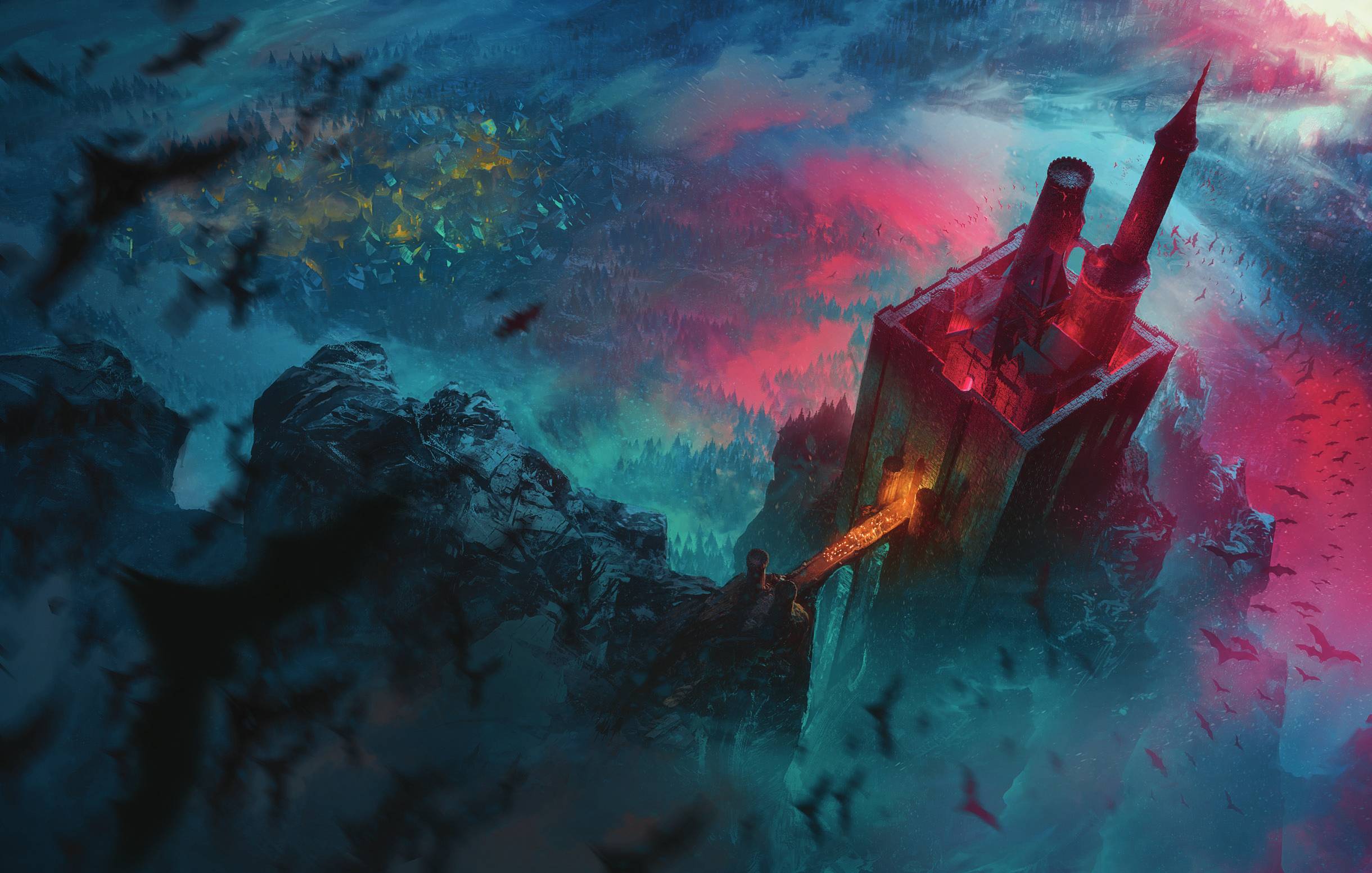
D&D Beyond's official guide to Ravenloft is useful because it does not treat the setting like generic fantasy with fog on top. The page frames the Domains of Dread as prison realms shaped by Darklords and the Mists, with trapped souls and table rules that make each domain feel like a place with boundaries. That matters for Dungeon Masters, players, and parents because Ravenloft is one of Dungeons & Dragons' clearest horror-facing settings.
For a table that wants gothic pressure, eerie mystery, or a campaign where the land itself pushes back, this official guide gives a strong starting point. For a table that includes younger players, sensitive players, or families trying to keep game night enjoyable, it also gives a clear checkpoint before the campaign begins. Horror can be memorable when everyone knows what kind of story they are agreeing to play. It can become tiring or careless when the tone is assumed instead of discussed.
The key idea from D&D Beyond is that a Domain of Dread is not just a location. It is a prison realm shaped around a Darklord, with the Mists acting as part of the setting's grip. That gives a DM plenty of atmosphere to work with, but it also means the campaign premise should be explained plainly before the first session. Players should know whether the table is leaning into dread, trapped-soul themes, and a darker fantasy mood.
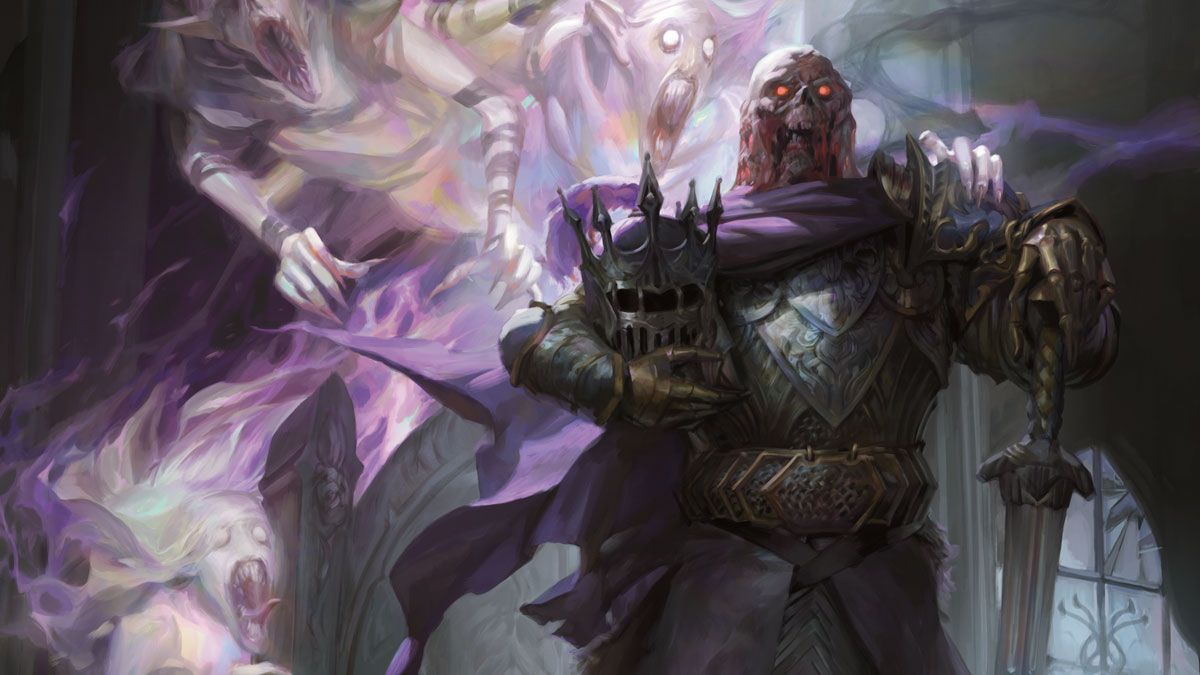
The Darklord angle is the part DMs should treat with the most care. It can help a campaign feel focused, since a domain has a moral and narrative center rather than being a random haunted map. It also means the story may keep circling broken desires, punishment, fear, or control. Those themes can produce strong roleplay, but they deserve a little table wisdom. A group does not need a sermon before rolling dice, but it does need honesty about what kind of story is being invited into the room.
The Mists are another practical tool. In the official framing, they are part of what traps and defines the setting. At the table, that can help a DM keep the adventure tight. The party is not simply wandering through a wide-open sandbox. They are dealing with a realm that has its own pressure. Used well, that makes choices feel weighty. Used poorly, it can feel like the DM is taking control away from the players. The difference is usually preparation and expectation.
For Crosspad's audience, the safe recommendation is simple: Ravenloft can be a strong fit for groups that want horror-informed D&D, but it should be introduced with care. Talk about tone. Set boundaries. Make sure the players understand the setting's prison-realm premise and the role of Darklords and the Mists. The D&D Beyond guide gives enough official structure to start that conversation before anyone is surprised by the campaign's mood.
That is the value here. Ravenloft is not only about scarier monsters or darker art. It is about a particular kind of fantasy pressure. DMs who use the official guidance can build a campaign that feels intentional rather than merely grim. Players who care about what they take in can decide whether this is the right kind of table story for them right now.
Continue exploring TTRPGs coverage from Crosspad Gaming.