D&D Beyond Introduces Drops Content Library
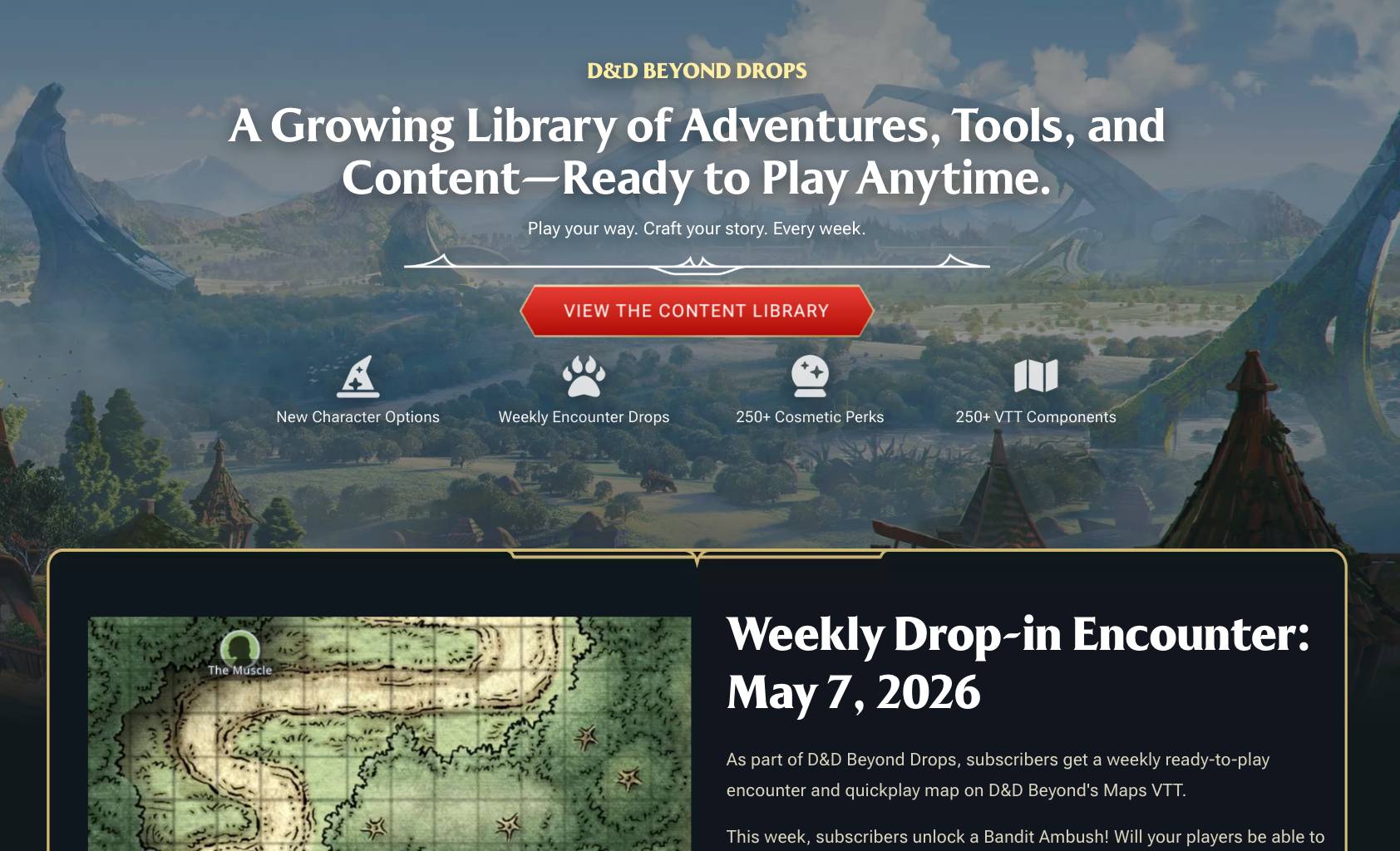
D&D Beyond has introduced Drops, a growing digital content library meant to expand Dungeons & Dragons play with additional material. The official post frames Drops as a way to give players and Dungeon Masters more things to bring into a campaign, That makes it worth treating as a table question, not just a store update, especially for groups that already organize play through D&D Beyond.
For a lot of families and weekly groups, the real question is practical: will this help the table, or will it add one more digital shelf of material that nobody has time to sort? Optional D&D content can be useful when it gives a DM a cleaner prep path or gives players a small, appropriate piece of material for the campaign in front of them. It can also become noise when everyone assumes every add-on belongs at every table.
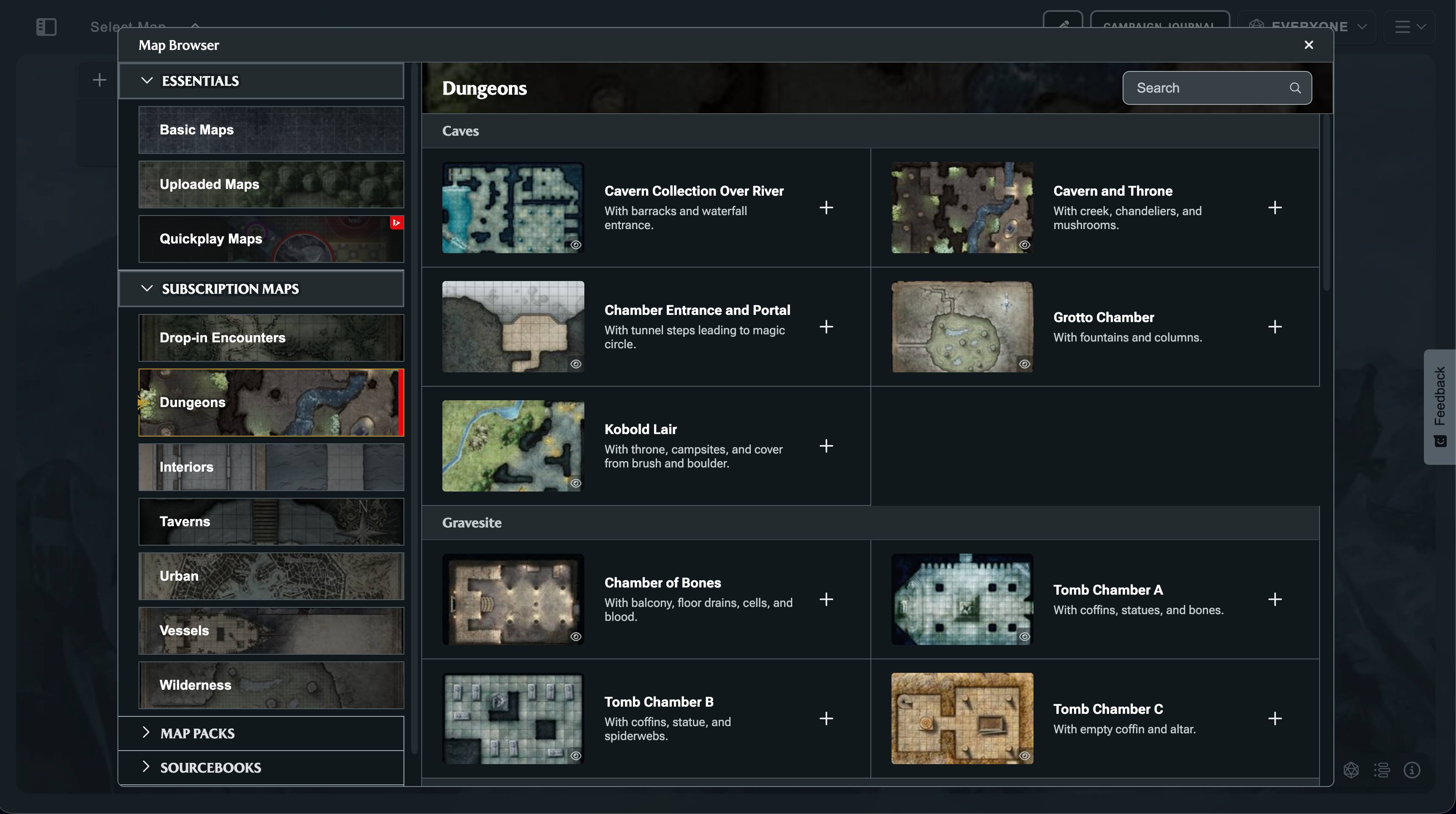
D&D Beyond’s official image points toward the kind of content access players may notice most quickly, including maps and digital play aids. Those are the pieces that can make online or hybrid play smoother, especially for groups that already use shared screens, virtual tabletops, or D&D Beyond character tools. A map that is ready when the session starts can save a DM time. A growing library can also push a group toward collecting first and planning later.
That tension matters for parents and younger players. D&D has always had optional books, adventures, monsters, and table rules. Digital delivery makes those options easier to find and easier to buy. A parent does not need to panic over every new D&D add-on, but it is wise to know what is being used, who is paying for it, and whether the material actually fits the campaign. A family table can set simple boundaries: use the core material first, let the DM approve extras, and avoid buying content just because it appears in the library.
For Dungeon Masters, Drops may be most helpful when treated as a toolbox rather than a mandate. If a piece of content supports the story already being told, it can be welcomed. If it pulls attention away from the group, it can wait. Good table leadership often means saying yes slowly, not because new material is bad, but because a campaign works best when everyone understands the same rules and expectations.
There is also a stewardship angle here. Digital libraries can feel weightless, but they still shape spending habits and table culture. Players who care about what they take in should pay attention to whether new content encourages better play, clearer prep, and more generous teamwork. Those are healthy signs. If the library mainly creates pressure to keep up, the group can slow down and choose only what serves the people at the table.
One helpful practice is to separate discovery from adoption. A DM can browse Drops for ideas without promising that every item becomes legal at the table. Players can flag material that interests them, then bring it to the group between sessions instead of during a tense rules moment. Parents can sit down with younger players and ask simple questions: what does this add, who will use it, and does it fit the story already underway? Those questions keep the purchase conversation tied to people rather than hype.
Groups that play with mixed ages should be especially clear about permission. A shared digital platform can make content feel communal even when one person bought it. Before a campaign starts, the table can decide which sources are open, which require DM approval, and which stay outside the campaign. That small amount of structure protects the game from confusion later.
D&D Beyond Drops looks like another step in Dungeons & Dragons becoming a more organized digital ecosystem. For groups already invested in D&D Beyond, it may become a convenient source of extras. For everyone else, the healthiest approach is simple: read the official details, decide what your table needs, and let the campaign guide the purchase instead of letting the content feed guide the campaign.
Continue exploring TTRPGs coverage from Crosspad Gaming.