Subbuteo's Tabletop Football Legacy Is Still Teaching Designers How Games Become Culture
Dicebreaker's feature is a reminder that tabletop games can shape memory, creativity, and community long after their first moment fades.
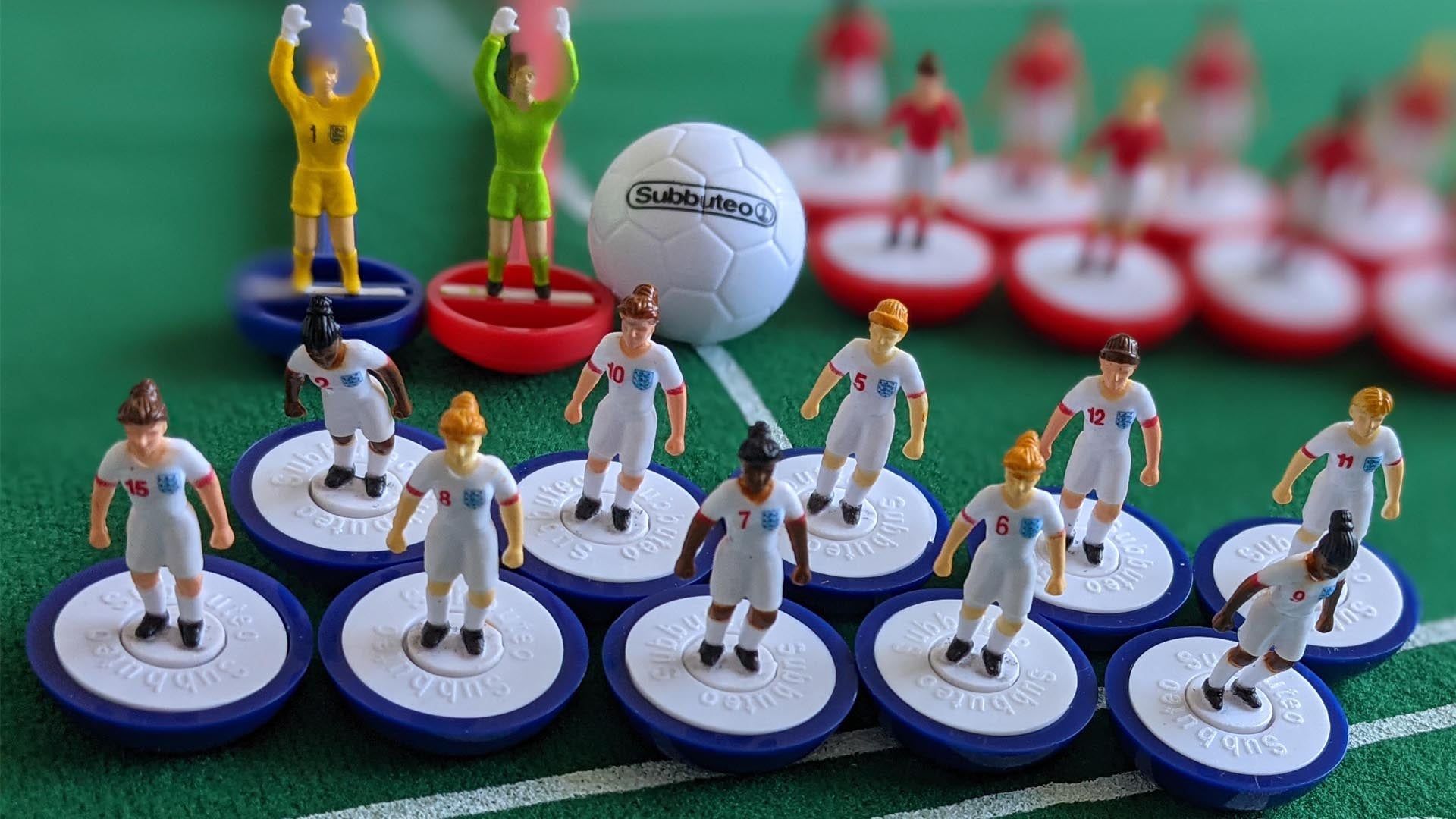
Dicebreaker's Subbuteo feature is not just nostalgia for a classic tabletop football game. It is a useful reminder that simple physical games can leave a deep mark on players, artists, and designers because they turn imagination into something you can touch and share across a table.
Subbuteo's legacy sits in that space between sport, toy, and hobby. The pitch is small, the figures are tiny, and the motions are simple, but the memories around the game can become surprisingly large. That is part of why tabletop gaming keeps mattering even in a digital age.
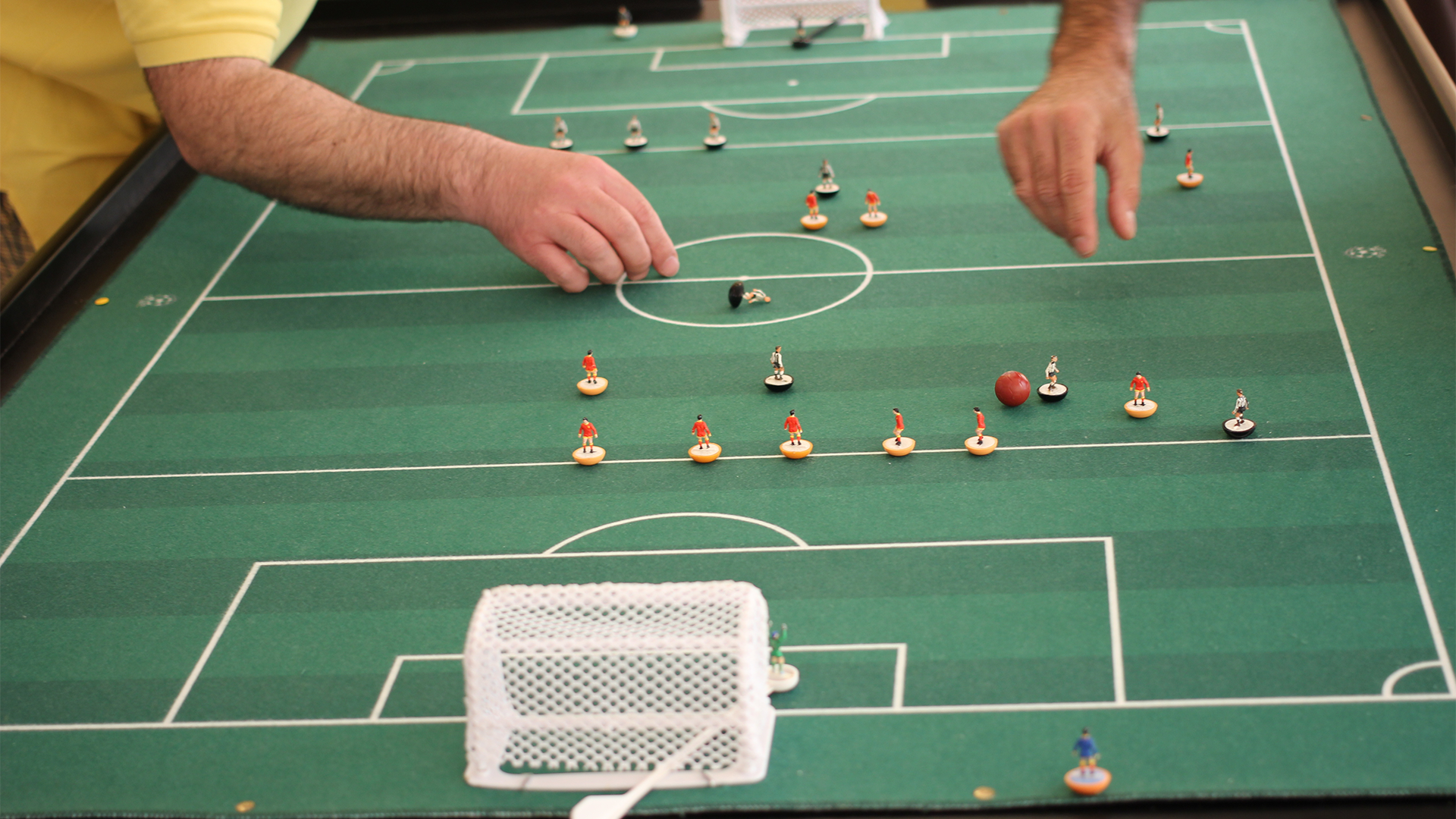
Why it still connects
For Christian families and gaming groups, Subbuteo is a good case study in how games form habits. A game does not need spectacle to teach patience, friendly rivalry, and shared attention. It needs clear rules, room for skill, and people willing to gather around it.
The Dicebreaker piece also points toward the creative afterlife of games. Players do not only consume a game and move on. They tell stories about it, customize it, remember who they played with, and sometimes carry its design lessons into new work.
Crosspad takeaway
Subbuteo's continuing cultural life is a quiet argument for tabletop play. Screens can do wonderful things, but a small physical game on a table can still build memory and community in a way that feels different. That is worth preserving, especially for households trying to choose games that connect people instead of isolating them.
Sources: Dicebreaker.
Continue exploring Boardgames coverage from Crosspad Gaming.