
Game of Thrones: War for Westeros moves from 2026 to early 2027
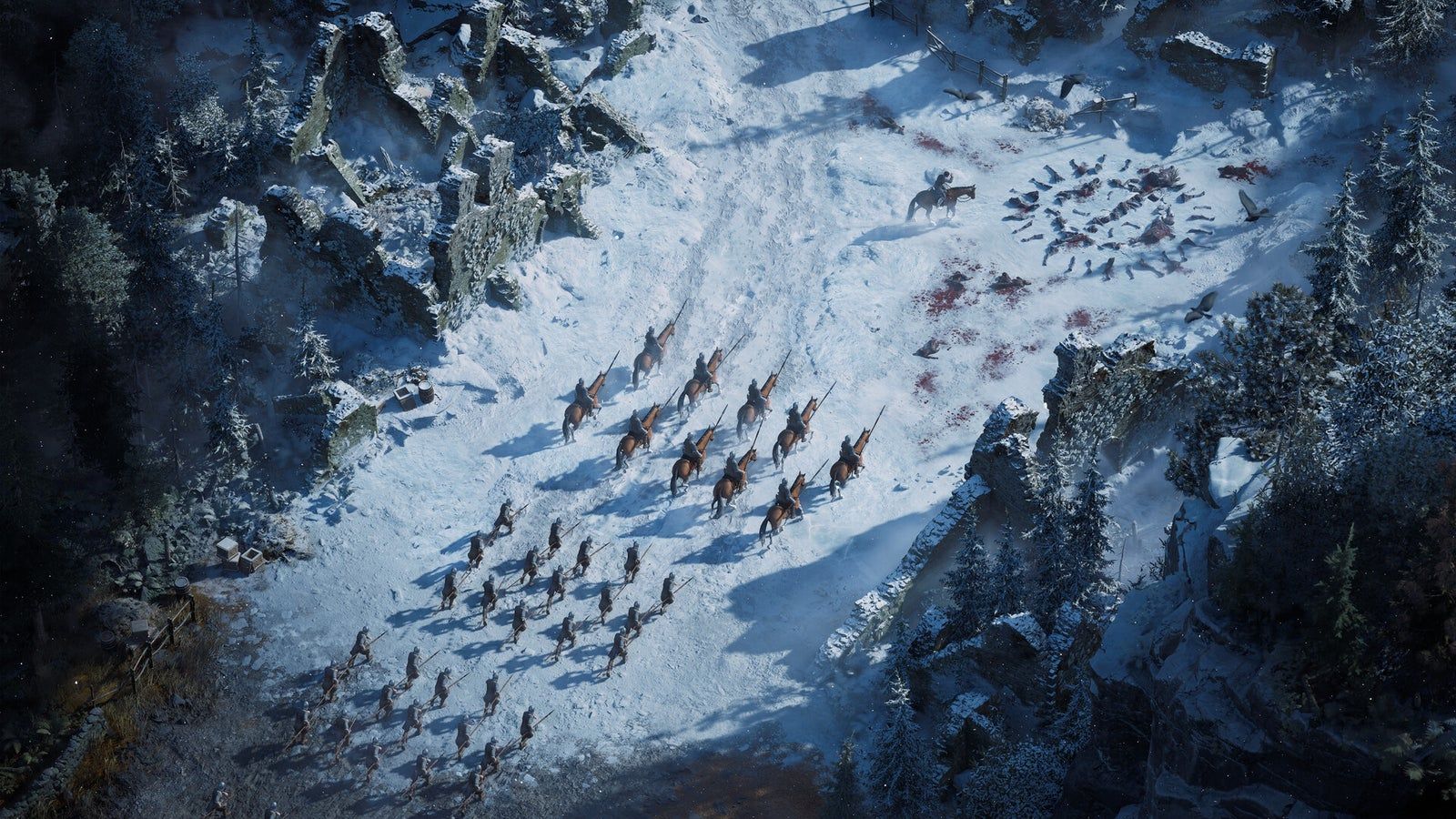
Game of Thrones: War for Westeros has moved out of its previous 2026 release window. Developer PlaySide Studios now plans to launch the real-time strategy game in early 2027, according to a development update published through Steam. The studio says the added time is needed to reach its quality target for both dedicated RTS players and Game of Thrones fans.
Rock Paper Shotgun independently confirms the change from 2026 to early 2027 and pulls several concrete gameplay details from the update. Its report points to battlefield roles for heroes including Jon Snow and Tywin Lannister, along with cavalry, giants, and special abilities. Those examples give players a clearer picture of the work in progress. They do not prove how well the systems will perform at launch.
What the delay changes
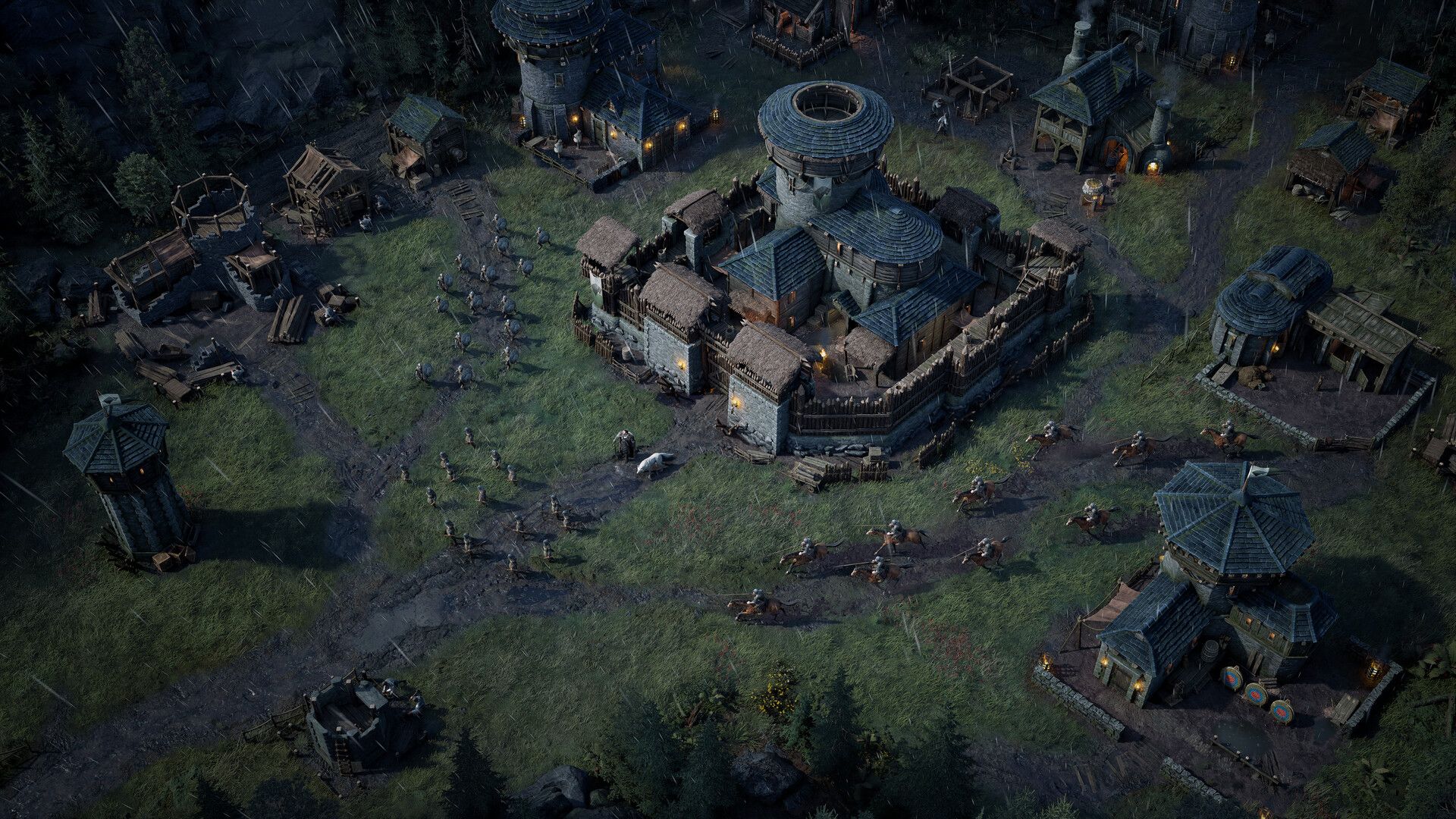
The immediate change is simple: players should take War for Westeros off their 2026 buying calendars. PlaySide has offered an early 2027 window, not a specific launch date. That leaves room for development and testing while keeping expectations within a defined part of next year.
The studio's stated reason is quality. That is a reasonable goal for a licensed RTS with two audiences to satisfy. Strategy players will judge unit control, balance, pathfinding, map readability, and the usefulness of faction differences. Game of Thrones viewers and readers will care about recognizable leaders, armies, locations, and political character. Serving both groups requires more than placing familiar names over a conventional skirmish game.
Still, a developer's quality target is a statement of intent. Players will need demonstrations, system requirements, hands-on impressions, and the finished release before they can judge whether the extra time solved the right problems. A delay can create space for better work. It cannot guarantee the result by itself.
The current gameplay picture
PlaySide's update focuses on heroes, unit combat, and map-control ideas. Rock Paper Shotgun highlights Jon Snow and Tywin Lannister as examples of recognizable characters taking active battlefield roles. It also calls out cavalry and giants, suggesting that army composition and large-unit threats will shape more than the visual spectacle.
That approach fits the setting. Westeros is built around competing houses, fragile loyalties, military power, and leaders whose decisions affect everyone beneath them. An RTS can express those pressures through territory, resources, positioning, and costly commitments. The important design question is whether named heroes support the army game or overwhelm it. Strategy loses much of its texture when one character makes ordinary units feel disposable.
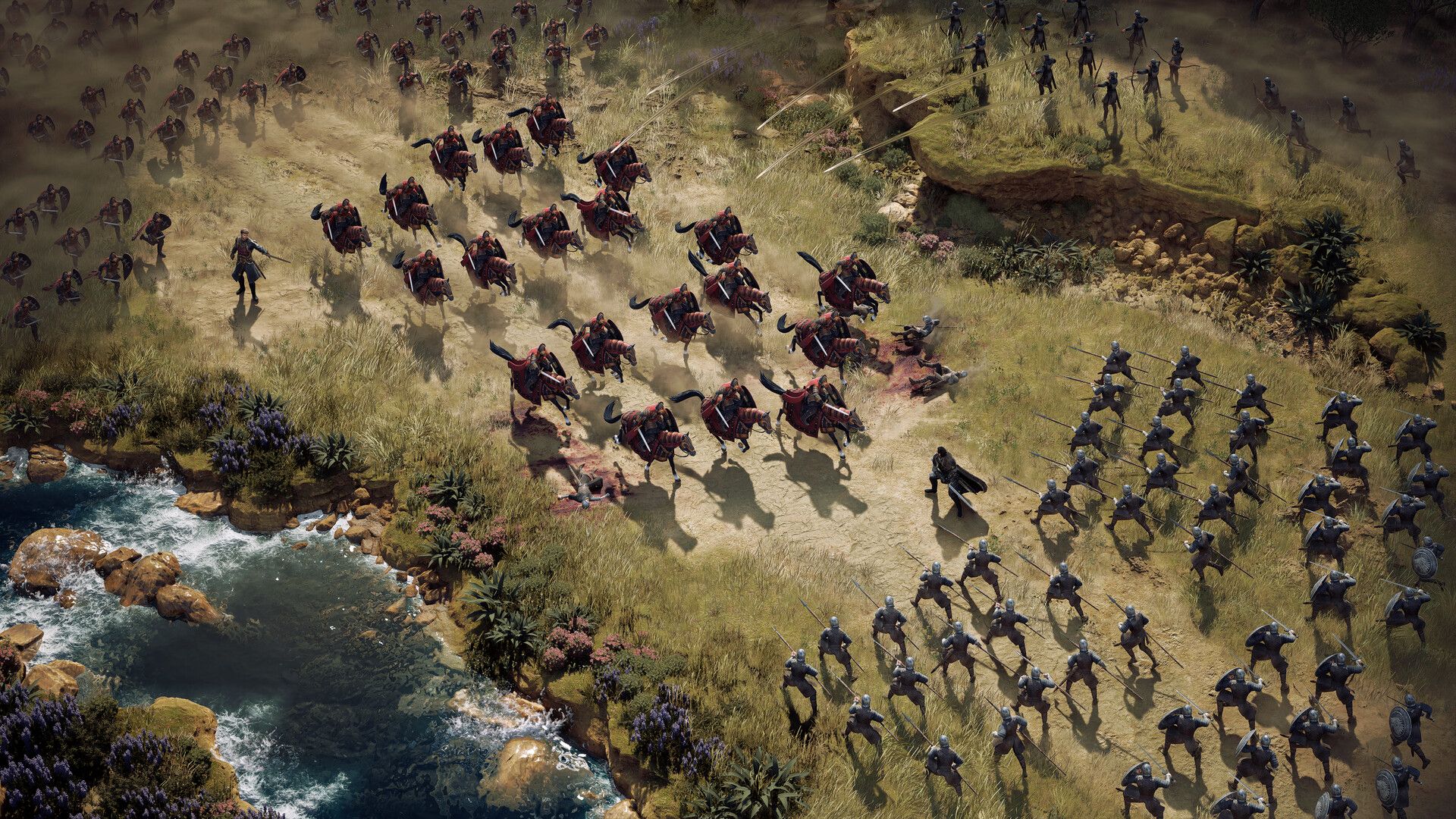
The same caution applies to cinematic abilities. Giants and hero powers can make battles memorable, but players need readable counters and meaningful costs. The update shows what PlaySide wants players to notice. Later previews need to show how those pieces interact during a full match, including the quieter work of scouting, economy, reinforcement, and recovery after a bad fight.
A sensible response for interested players
There is little reason to make a purchase decision now. No accepted source in Ezra's research supplies a final price, complete system requirements, or a firm release date. Wishlisting the game and following official updates is enough until PlaySide presents evidence closer to launch.
Parents and families should also remember that the Game of Thrones name carries mature material even when the format changes from television drama to strategy game. The current sources establish gameplay direction and timing. They do not establish the finished content profile. Ratings information and fuller previews will matter once the game is closer to release.
For now, the delay is clear and the promise is limited. War for Westeros is targeting early 2027, and PlaySide says it needs the time to meet a higher quality bar. The gameplay update offers useful signs of army combat, hero roles, and map control. The next meaningful test will be sustained footage or hands-on play that shows whether those systems form a strong RTS.
Continue exploring Video Games coverage from Crosspad Gaming.