

Final Fantasy Resonance’s Paid Limit Burst Deserves Scrutiny, Not a Verdict of Exploitation
Commentary: A combat unlock is more than a cosmetic extra, but Christian judgment should distinguish an honest offer from a wise purchase.
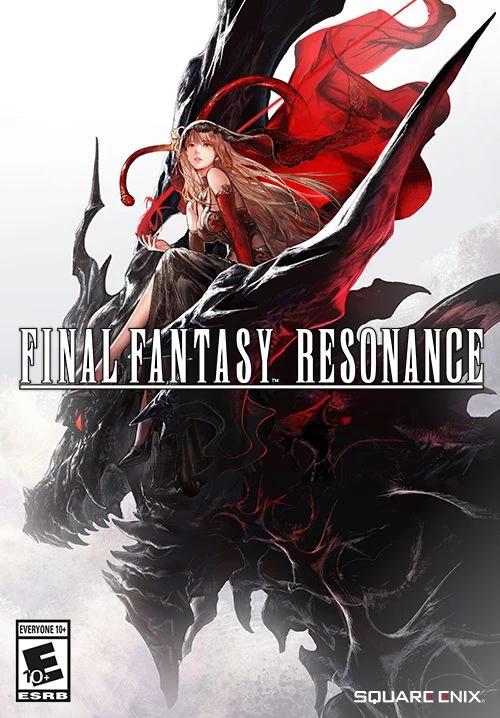
FINAL FANTASY RESONANCE’s October 22, 2026 release listing presents buyers with a consequential extra: a paid deluxe-pack item advertised as unlocking a character’s Fel Meteor Limit Burst. That is a gameplay offer, not merely a change in appearance. It deserves closer scrutiny, but the advertised transaction alone does not establish exploitation. Christians should ask two distinct questions: Is the seller representing the purchase honestly, and is buying it a good use of our money?
Steam lists the Digital Deluxe Upgrade at $14.99 and says it requires the base game. The main listing also explains that the deluxe bundle’s content is sold separately and warns buyers against duplicate purchases. Those disclosures matter. They give readers concrete information about what they need to own and how to avoid paying twice for the same content.
Precision matters just as much when describing the unlock. The advertised exclusivity belongs to the pack’s item. The inspected listings do not establish Fel Meteor’s strength, whether it is necessary, or whether the ability itself can be obtained another way. A database entry describing the associated grimoire explicitly leaves availability unconfirmed. It cannot settle those questions or support a claim that the base game has been deliberately weakened.
The strongest objection is nevertheless substantial: a combat option can affect what players get to do, whereas an appearance change need not. Square Enix describes battles built around exploiting weaknesses, staggering enemies, and gaining extra turns. In a game marketed around tactical choices, buyers can reasonably care about how combat options are divided between purchases. They do not have to prove that an ability is indispensable before questioning that packaging.
Nor does the single-player label make every paid addition unobjectionable. It means this offer does not establish a purchased competitive advantage over other players; it does not answer whether the package is appealing or fairly represented. A reader may reasonably prefer games that include their combat options in one purchase and decline this upgrade on that basis. That preference is stronger and more defensible than an accusation about motives or balance that the evidence cannot sustain.
Honest exchange is the seller’s responsibility
Leviticus 19:35–36 requires honest weights and measures within Israel’s holiness laws, alongside commands governing the treatment of neighbors and strangers. Its concern is justice in actual dealings: a merchant must not misrepresent what a customer receives. Applied here, that principle supports requiring accurate descriptions of the unlock, its conditions, and the purchase required. It does not specify that every fictional ability must belong in a game’s base edition.
The warning against duplicate purchases is a positive feature of this offer, not something to dismiss because the product includes paid gameplay. Disclosure does not automatically make every transaction just, but it is relevant evidence of how this one is presented. On the available facts, we can identify an advertised paid unlock; we cannot establish a deceptive sale or a combat system designed to make the upgrade necessary. Calling the arrangement exploitative would outrun the evidence.
This distinction leaves room for robust criticism. Buyers can object to separating a combat option from the base purchase, ask for clearer information about its availability, or decide that the package is not worth their money. None of those judgments requires declaring the seller dishonest. Conversely, a clearly described offer does not obligate anyone to consider it good value. The listings do not supply enough evidence to recommend Fel Meteor’s combat value.
Contentment is the buyer’s responsibility
First Timothy 6:8 commends contentment with food and clothing, in a passage rejecting the treatment of godliness as financial gain and warning about the desire for riches. The application to this purchase is not that a Limit Burst is inherently suspect. It is that wanting a complete set of options does not turn an optional purchase into a necessity. Before spending $14.99, a Christian can ask whether the appeal is a particular addition they genuinely want or simply an unwillingness to leave something unowned.
That question should not become a rule against enjoyment. Later in the same chapter, 1 Timothy 6:17–19 acknowledges God’s provision for enjoyment while directing the wealthy to place their hope in God and to be generous. Contentment and generosity, not blanket rejection of discretionary spending, are the standard. A Christian could buy this upgrade without wrongdoing; another could decline it without missing something essential to a satisfying life.
For an undecided buyer, the advertised free first-chapter demo offers a more grounded starting point than speculation about the upgrade. Steam says demo saves transfer to the full game, with some level restrictions. That provides an opportunity to try the opening before making a purchase, but the listing does not establish that the demo lets players evaluate Fel Meteor. It should not be treated as proof of the paid ability’s usefulness.
Our judgment is therefore measured: take the paid combat unlock seriously, insist on truthful representation, and feel free to reject the packaging. But do not turn an unanswered question about value into a verdict of injustice. For Christian players, the better purchase is one made with clear information, freedom to say no, and room for generosity, not one driven by the assumption that every available option must be owned.
Sources
Continue exploring Video Games coverage from Crosspad Gaming.