

Phantom Blade Zero: Sixty-Six Days to Live Is Not a License for Revenge
Commentary: Soul’s advertised predicament invites sympathy, but Christian discernment must distinguish exposing wrongdoing and resisting attackers from settling scores.

Phantom Blade Zero gives its protagonist an urgent reason to act. According to its Steam description, Soul has been framed for his master’s murder and left with sixty-six days to live after a devastating heart wound. That premise makes the question of what he does with his remaining time central to the game’s appeal. Our judgment is that neither wrongful accusation nor approaching death makes personal vengeance righteous. The shorter the time, the more important the distinction between pursuing truth and settling scores becomes.
The marketing itself supplies that tension, placing kindness alongside vengeance and love alongside hatred. IGN reviewer Travis Northup also describes the story in terms of betrayal and revenge, while judging its approach largely safe. Neither source establishes how the completed narrative ultimately judges retaliation. They do, however, give Christian players a specific question worth asking: does sympathy for Soul’s suffering become approval of whatever he does in response?
Sympathy is an appropriate starting point. A falsely accused man facing death has suffered a grave wrong within this fictional premise. Recognizing that wrong does not require us to grant him moral permission to repay it in kind. Indeed, the difference matters most when the injured person is sympathetic. Refusing revenge only when we dislike the avenger would leave the principle at the mercy of our preferences.
Romans 12:19 addresses precisely the temptation to make injury a warrant for personal vengeance. In a passage that calls believers to bless persecutors, refuse repayment of evil and care for enemies, Paul tells Christians not to avenge themselves but to leave judgment to God. His conclusion in Romans 12:21 is active rather than merely restrictive: evil is to be overcome with good. Applied to this premise, the Christian objection is not that Soul’s suffering should be ignored. It is that suffering does not turn retaliation into goodness.
Soul’s limited lifespan sharpens rather than cancels that obligation. In 1 Peter 4:2, an exhortation grounded in Christ’s suffering directs believers to spend their remaining earthly time according to God’s will rather than human passions. Later, after distinguishing suffering as a Christian from suffering for wrongdoing, 1 Peter 4:19 calls suffering believers to entrust themselves to their Creator while continuing to do good. These passages address Christians, not a fictional warrior. But they give Christian readers a standard for evaluating the claim that having little time left makes revenge morally urgent: urgency changes how much time remains, not what makes an action right.
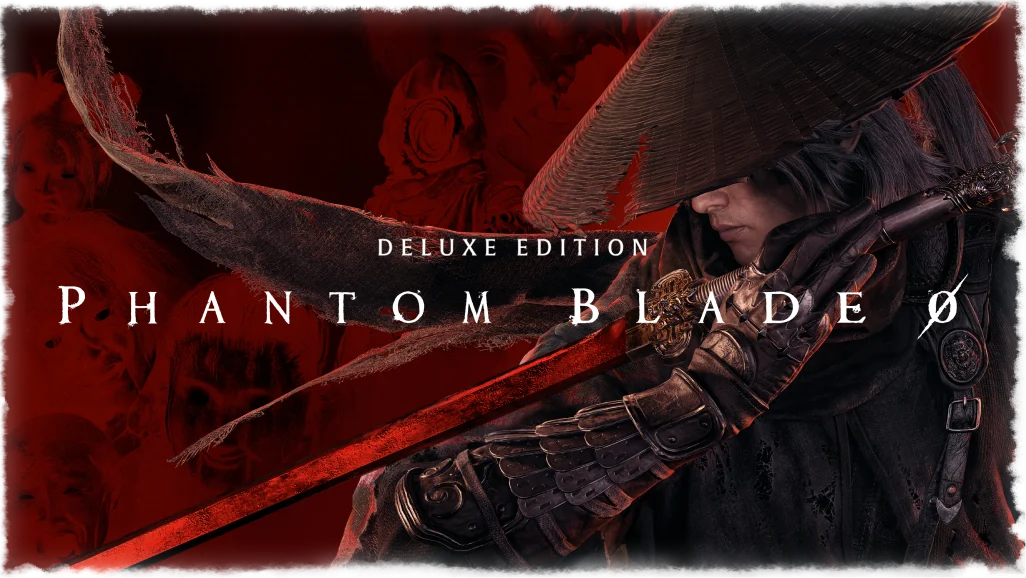
The strongest objection to a revenge-centered reading comes from the game’s own description. Soul is hunted and trying to unravel a conspiracy. The promotional summary also presents him as resisting assassins and defending his values. Those are not simply alternative names for vengeance. Seeking the truth about a false accusation and resisting an attacker can have purposes distinct from making an enemy suffer for a past injury. A fair assessment must preserve those distinctions rather than treating every advertised fight as an act of personal revenge.
Scripture likewise does not collapse every response to wrongdoing into forbidden retaliation. Following the prohibition on personal vengeance, Romans 13:4 describes governing authority as God’s servant in judging wrongdoing. That distinction leaves room for public justice without licensing private score-settling. It does not establish that Soul holds legitimate authority, nor does it settle whether any particular fictional encounter is justified defense. It does show why rejecting vengeance need not mean wishing the conspiracy to remain hidden or wrongdoing to go unanswered.
This is also the limit of the case against the game. Advertising a story that includes vengeance is not the same as endorsing vengeance. The pairing of kindness and hatred could support moral tension rather than a simple celebration of retaliation; the supplied descriptions do not settle which interpretation the story sustains. Nor does performing an action inside fiction automatically mean a player approves its real-world equivalent. The relevant question is how the story frames the act and how we judge it, not merely whether revenge appears.
For adult Christian players, that suggests a more useful approach than either automatic condemnation or automatic allegiance to the hero. Ask whether a given act is directed toward uncovering truth, resisting an immediate threat or exacting personal repayment. Then ask whether the narrative distinguishes those aims or treats Soul’s injury as sufficient justification. These are questions to bring to the story, not claims that the game offers a mercy system, particular choices or a morally resolved ending. The available evidence does not establish those things.
Our conclusion is therefore firm about the principle and limited about the game: Soul’s advertised suffering deserves sympathy, and his pursuit of truth should not be confused with vengeance. But if personal retaliation is offered as righteous merely because he was wronged and is dying, Christians should reject that justification. Sixty-six remaining days would make doing good more urgent, not make goodness expendable.
Sources
Continue exploring Video Games coverage from Crosspad Gaming.