Pathfinder 2e’s Mwangi Expanse: What Paizo’s Lost Omens Guide Actually Covers
A corrected, source-backed look at the real Mwangi Expanse setting book and why it still matters.
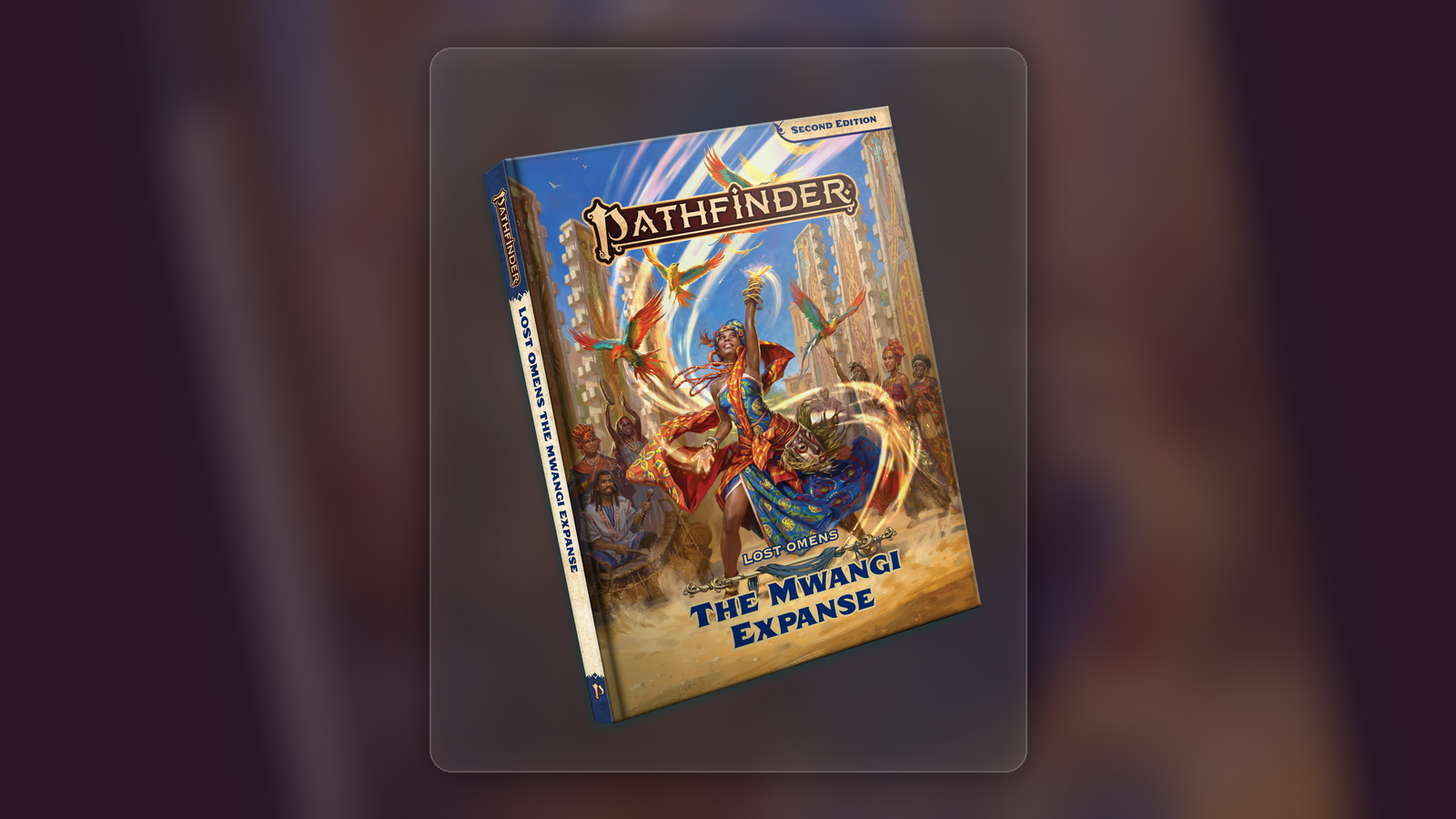
The earlier draft for this Pathfinder story got the most important detail wrong. It treated The Mwangi Expanse as a new 2026 Pathfinder 2e campaign setting release. Paizo’s official store does not support that claim. The real book is Pathfinder Lost Omens The Mwangi Expanse, a 312-page Lost Omens sourcebook released in 2021.
That does not make the topic worthless. It just changes what the article should be. Instead of fake news about a new release, this is better handled as a verified setting guide: what The Mwangi Expanse actually is, why it still matters for Pathfinder 2e tables, and what families or game masters should know before bringing it into a campaign.
What Paizo actually published
Paizo’s official store lists Pathfinder Lost Omens The Mwangi Expanse as a Pathfinder Second Edition sourcebook. The product page identifies it as a 312-page book in the Lost Omens line, with a July 7, 2021 release date. Archives of Nethys also lists The Mwangi Expanse as an official Lost Omens source for Pathfinder 2e.
That is the corrected factual frame. Not a May 2026 release. Not a newly announced campaign setting. A real 2021 sourcebook that remains useful because setting books do not expire the way news posts do.
What the setting offers
The Mwangi Expanse gives Pathfinder groups a region that moves beyond the default medieval-European fantasy flavor many tabletop games lean on. Paizo describes it as a vast and diverse land with city-states, magic, monsters, politics, and cultures shaped by the region’s own history.
For a game master, that is valuable. A strong setting book gives you more than maps and monster names. It gives you social texture: what people value, what places feel like, what conflicts matter, and what kind of stories naturally grow there.
The Mwangi Expanse works especially well for groups that want exploration, scholarship, ancient ruins, wilderness travel, cultural encounter, and character stories rooted in community rather than just dungeon rooms and treasure piles.
Player options and table material
Archives of Nethys shows how much playable material is connected to the sourcebook. Its source page lists ancestries, heritages, feats, deities, languages, and monsters from The Mwangi Expanse. That gives players more than lore to read. It gives them mechanical ways to build characters tied to the region.
That matters for long campaigns. If the setting is only background flavor, players may enjoy it for a session and then forget it. When the book supports ancestry choices, languages, monsters, and feats, the setting can shape who the characters are and how the table plays.
How it connects to wider Pathfinder 2e
Paizo’s blog material around the book connects The Mwangi Expanse to other Pathfinder 2e material, including adventures and the Strength of Thousands Adventure Path. That makes the book easier to use. A game master can treat it as a standalone region guide, but it also has bridges into adventures, organizations, schools, and story hooks already supported by the line.
For groups that want an academic fantasy campaign, the connection to the Magaambya and Strength of Thousands is especially useful. For groups that prefer exploration, the region’s wilderness and city-state variety give plenty of room for travel, diplomacy, and danger.
Family and faith considerations
For Christian families, The Mwangi Expanse is not something to evaluate lazily. It includes fantasy deities, spirits, monsters, magic, undead elements, and fictional religious material. Some tables will handle that as ordinary fantasy worldbuilding. Others may want to draw firmer lines.
That is a game master conversation, not a panic button. The better question is: what kind of story will your group tell with this material? A table can use the setting to explore courage, hospitality, justice, stewardship, and respect for peoples and places. A table can also drift into content that does not fit every household.
As with most tabletop material, the book is a tool. The group’s wisdom determines how it is used.
Bottom line
Pathfinder Lost Omens The Mwangi Expanse is real, but the failed 2026-release framing was not. The corrected article is this: Paizo’s Mwangi Expanse sourcebook is a verified 2021 Lost Omens guide that still offers rich Pathfinder 2e material for game masters, players, and families who want a broader fantasy setting.
Use it as a setting guide, not as breaking news.
Sources
- Paizo Store: Pathfinder Lost Omens The Mwangi Expanse — https://store.paizo.com/pathfinder-lost-omens-the-mwangi-expanse/- Paizo legacy product page — https://paizo.com/products/btq027ot- Archives of Nethys: The Mwangi Expanse source page — https://2e.aonprd.com/Sources.aspx?ID=89- Paizo Blog: Meet the Mwangi Expanse Authors — https://paizo.com/blog/meet-the-mwangi-expanse-authors- Paizo Blog: Expanding on the Expanse — https://paizo.com/blog/expanding-on-the-expanse- Paizo Blog: Gods of the Expanse — https://paizo.com/blog/gods-of-the-expanse
Continue exploring TTRPGs coverage from Crosspad Gaming.