Games Workshop is hiring product leads for Kill Team, Blood Bowl, and Warhammer Quest
Specialist games need steady hands
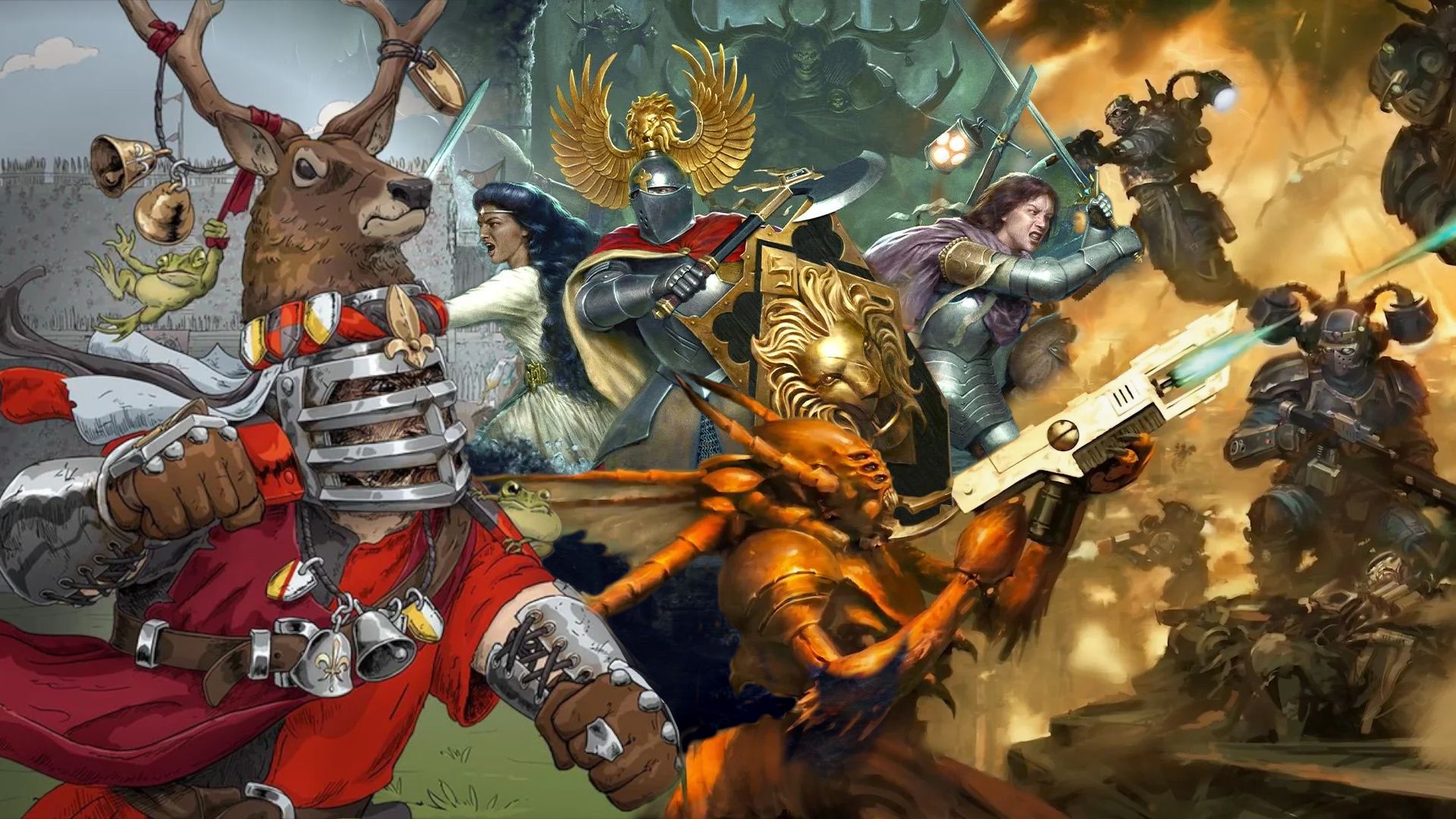
Games Workshop has three specialist game roles open at the same time, and that makes this more than routine hiring news. The company's jobs site lists separate Product Developer openings for Blood Bowl, Kill Team, and Warhammer Quest. All three are based at the company's Nottingham headquarters, and each listing closes on August 30, 2026.
The Blood Bowl posting gives the clearest look at the shape of the job. Games Workshop describes responsibility for product vision, creative briefs, release schedules, and coordination across creative and commercial teams. That is the practical center of a miniatures line. A product developer helps turn game identity, rules work, sculpting, art, photography, packaging, and release timing into something players can actually buy, learn, and keep playing.
What the job listings show
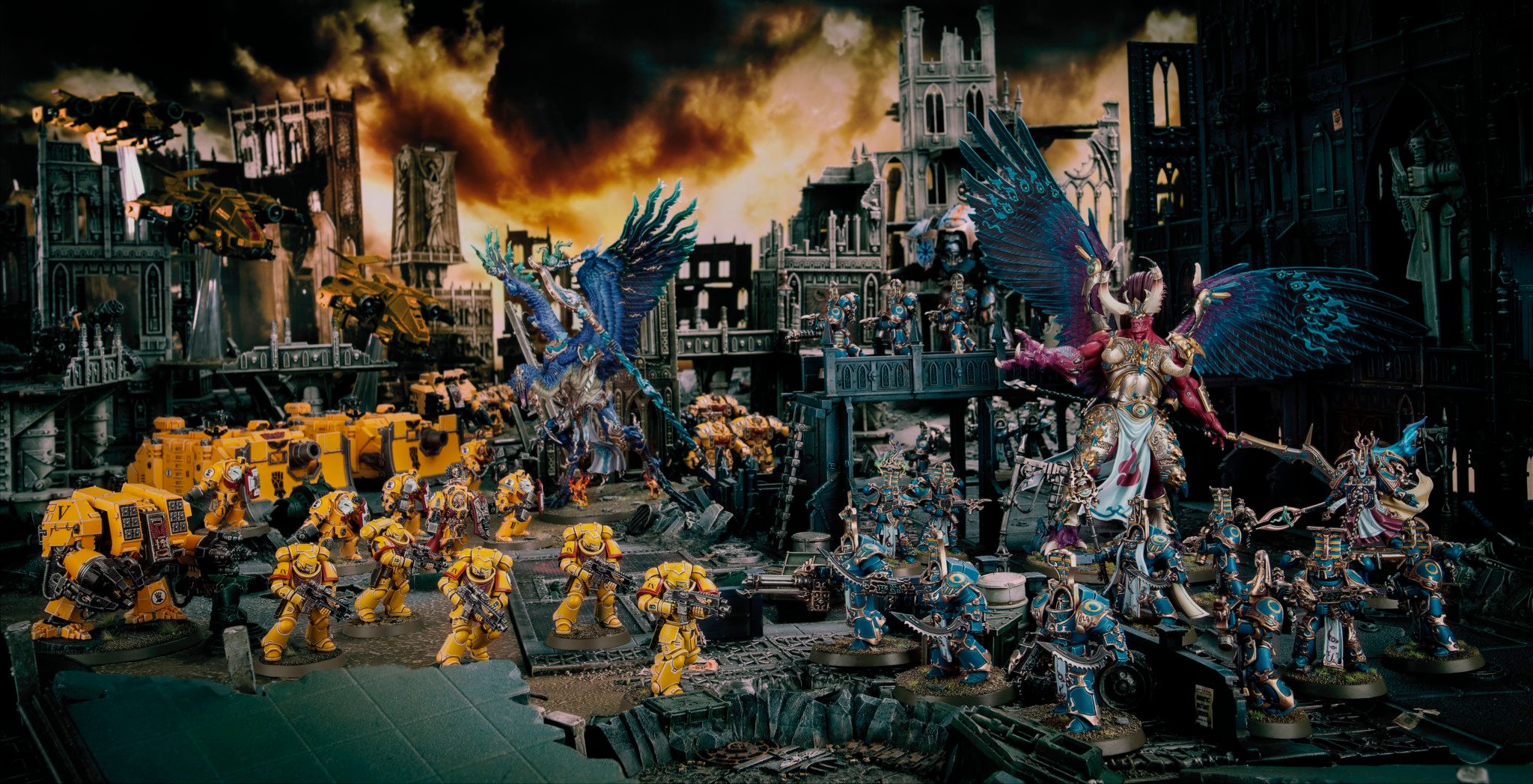
Wargamer independently reports the three openings and adds useful context around the lines involved. Kill Team, Blood Bowl, and Warhammer Quest all sit under the wider Games Workshop umbrella, yet they ask different things from players. Kill Team is tighter and more tactical than full army Warhammer. Blood Bowl has its own sports-comedy tradition and league culture. Warhammer Quest carries the dungeon-crawl side of the brand, where scenario design and repeat play matter as much as model reveals.
That mix matters for Crosspad readers because specialist lines can thrive or drift depending on product leadership. These games usually depend on steady support, clean onboarding, understandable release cadence, and rules that keep small communities from splintering. A strong boxed release can bring players in. A confusing support rhythm can lose them before the local group forms.
Product development also touches the parts of the hobby players rarely see. Someone has to decide which releases belong together, which boxed experience teaches the game cleanly, how much support a line can sustain, and how a smaller system keeps its identity beside the giant Warhammer brands. Those choices affect local leagues, campaign nights, and demo tables long before the marketing copy reaches a store page.
Crosspad take
That is especially true for specialist games because they live by confidence. A local store may need enough clarity to stock a starter box, run a league, or teach demo nights. A parent buying models for a teen may need to know whether the line has support beyond one attractive box. A veteran player may need signs that campaign books, team releases, or scenario support will arrive in a rhythm the group can trust. Product leadership does not answer all of that immediately, yet it sits close to those decisions.
The guardrail is important: job listings do not announce new editions, cancellations, boxed games, or design resets. They prove that Games Workshop is hiring product leadership for these three lines. Wargamer's analysis explains why the timing may interest players, and the official postings prove the roles exist. Anything beyond that stays speculation until Games Workshop announces products directly.
For wargames families and church hobby groups, the useful question is less dramatic. Which of these lines will be easier to enter over the next year? Kill Team often works well for players who want a smaller model count and shorter sessions. Blood Bowl can fit clubs that enjoy league play and table banter. Warhammer Quest may serve groups that want cooperative dungeon play with a familiar fantasy wrapper. Product leadership influences how welcoming those paths feel.
There is also a stewardship angle. Miniatures gaming is expensive in money, time, paint, storage, and attention. A clear product line helps players spend with discipline. A foggy one pushes hobbyists toward fear-based buying, chasing limited windows or half-understood releases. Better line management can help families and local groups choose one lane, build slowly, and enjoy the game without treating every announcement like an emergency.
The hiring push also gives Crosspad a reason to keep watching wargames beyond the main Warhammer 40,000 beat. Games Workshop's biggest brand will always dominate attention. These smaller lines are where many players actually find a manageable doorway into the hobby. If the new hires lead to cleaner release schedules, stronger starter products, or better scenario support, that could matter more to ordinary tables than another splashy flagship reveal.
For now, the solid news is simple. Games Workshop wants dedicated product developers for Kill Team, Blood Bowl, and Warhammer Quest, with applications closing August 30. Players should treat that as a signal of active support, not a promise of a specific next box. The patient move is to watch the next official announcements and ask whether each line becomes easier to start, teach, and sustain.
Sources
Games Workshop Jobs: Games Workshop Jobs
Games Workshop Jobs: Games Workshop Jobs
Games Workshop Jobs: Games Workshop Jobs
Wargamer: Wargamer
Continue exploring Wargames coverage from Crosspad Gaming.