D&D's Season of Horror: What Parents Should Know
Wizards of the Coast is leaning into gothic horror for D&D's first seasonal campaign of 2026, and family tables will want to know what they are getting into

D&D's Season of Horror: What Parents Should Know
Wizards of the Coast kicked off its first seasonal campaign for 2026 in April, and it is leaning hard into gothic horror. The D&D Season of Horror runs through June, anchored by the upcoming Ravenloft: The Horrors Within sourcebook. For dungeon masters running organized play events or family groups considering jumping in, this season comes with content questions worth thinking through.
What Happened
Wizards of the Coast announced a new seasonal release model for D&D in 2026, breaking the year into three themed campaigns. Season of Horror is first, running April through June. It leads with organized play events through D&D Encounters Weekly Play and Celebration event scheduling, giving local game stores a structured way to bring players in around the Ravenloft theme. Season of Magic follows in July through September, and Season of Champions closes the year in October through December.
The centerpiece of this season is Ravenloft: The Horrors Within, a sourcebook with a wide release date of June 16, 2026. Ravenloft has been part of D&D since the 1980s, offering gothic horror settings where players face vampires, werewolves, and other classic monsters in dark, atmospheric domains.
Why It Matters
D&D remains the most popular tabletop RPG among Christian gaming groups. The game's flexibility means tables can adjust tone and content to match their comfort level, but the seasonal push from Wizards shapes what organized play looks like at stores and events. When the official D&D calendar says "horror season," that becomes the default experience at game days and conventions.
For parents whose kids are getting into D&D through school clubs, local game stores, or organized play, the Season of Horror is worth knowing about. Gothic horror is a specific flavor of darkness that some families embrace and others prefer to ease into.
What We Know
The Season of Horror is the first of three planned seasons for 2026. D&D Beyond published the full calendar on April 20, confirming the three-season structure. The Ravenloft sourcebook includes new character options, monster stat blocks, and domain descriptions for DMs building horror-themed campaigns.
D&D Encounters events at local game stores will feature Season of Horror content during the April through June window. This means the pre-built adventures running at many stores during this period will lean into horror themes. Store events are a common entry point for younger players, which makes the seasonal content relevant for families.
EN World and TechRaptor both covered the announcement, noting that the seasonal model represents a shift in how Wizards packages and releases D&D content throughout the year rather than bundling everything into a few major book releases.
What This Means for Family Tables
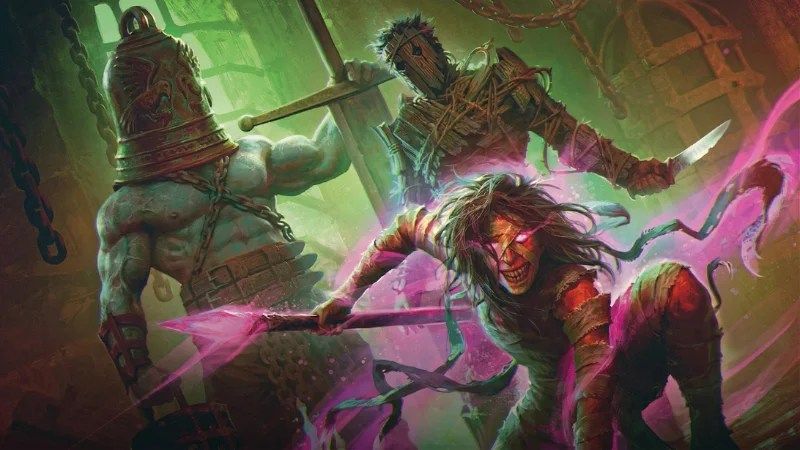
The gothic horror genre is not the same as graphic horror. Ravenloft draws from classic literature and film, think Bram Stoker and Universal Monsters, rather than modern slasher aesthetics. The tone is atmospheric dread, moral dilemmas around fighting evil, and the tension of facing powerful villains in domains where darkness holds power.
That said, some Ravenloft content does push into territory that younger or more sensitive players may find uncomfortable. Themes of psychological manipulation, body horror, and existential dread appear in some domain descriptions. The beauty of tabletop RPGs is that the DM controls what actually hits the table, but it helps to know what is in the sourcebook before running it for a mixed-age group.
For parents, the practical move is to read through the sourcebook content before running it at your table or before your kids join organized play events during this season. Ravenloft can be adapted to a PG-level experience with a thoughtful DM, but it requires that intentional adjustment.
Looking Ahead
Season of Magic runs July through September, followed by Season of Champions in October through December. The seasonal model gives Wizards a steady cadence for content and organized play, which helps local game stores plan events and gives players something to look forward to across the year. Whether the horror season becomes a regular fixture or rotates with other themes in future years remains to be seen.
Continue exploring TTRPGs coverage from Crosspad Gaming.