Critical Role's New Daggerheart Series Unveils Spooky Age of Umbra Characters

Critical Role has revealed the character designs for Matt Mercer's upcoming Daggerheart actual play series. The new campaign, set in the Age of Umbra region called the Sallowlands, features a distinctly spooky aesthetic that leans into gothic horror themes.
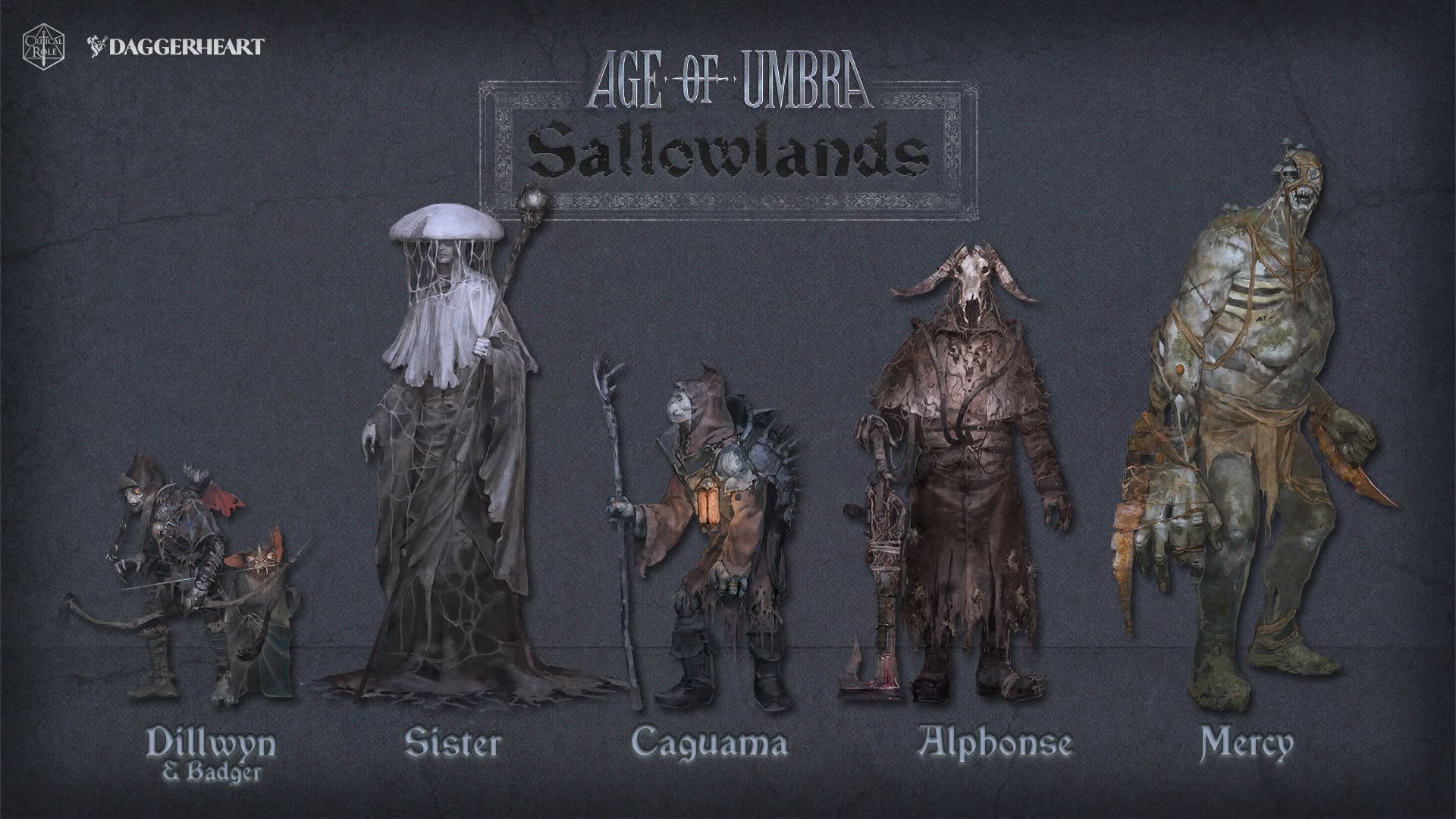
The announcement came through Wargamer, which published the first look at the character concepts. These are not bosses from a Dark Souls game, as the initial impression might suggest. They are the players' characters for Critical Role's second Daggerheart campaign, and they embrace a darker tone than the previous Dorian Storm-era adventures.
The Age of Umbra Setting
The Sallowlands represent a new region within the Daggerheart world. This setting choice signals a shift toward horror-adjacent storytelling, which fits the gothic character designs. Matt Mercer has a history of running campaigns with varying tones, from the high adventure of Vox Machina to the more personal stakes of Critical Role's other settings.
For families following Critical Role, the Age of Umbra represents a different flavor of fantasy. The spooky aesthetic does not automatically mean inappropriate content. It does suggest themes that parents should evaluate. Horror elements in TTRPG campaigns can range from mild atmospheric tension to genuine frights.
The setting choice also reflects Daggerheart's flexibility as a system. The game supports multiple tones and styles, allowing Critical Role to explore different genres without being locked into one approach. This versatility appeals to groups who want variety in their tabletop experiences.
Character Designs and Visual Style
The revealed character concepts feature dark clothing, pale complexions, and overall gothic presentation. The art style matches the Age of Umbra setting, creating visual cohesion between the characters and their environment.
Critical Role has a history of working with talented artists to bring their campaigns to life. The character designs serve both narrative and marketing purposes, giving viewers a clear sense of what to expect from the series. Parents can use these visuals to gauge whether the tone aligns with their household's standards.
The gothic aesthetic does not necessarily indicate mature or inappropriate content. Many family-friendly fantasy stories incorporate dark visual elements without crossing into territory that concerns Christian parents. The key remains evaluating the actual themes and storytelling, not judging solely on visual presentation.
What This Means for Daggerheart
The new campaign continues Daggerheart's growth as a TTRPG system. Critical Role's adoption of the game has already generated significant interest, and a second actual play series will likely expand the player base further.
For groups considering Daggerheart, the Age of Umbra campaign demonstrates the system's range. Players who enjoyed the first campaign can see how the rules support different tones and settings. Families evaluating TTRPG options now have more content to review before making their decision.
The success of Critical Role's Daggerheart campaigns also impacts the broader TTRPG market. When high-profile actual play series choose a system, it often influences purchasing decisions among fans and casual players. This could benefit Free League's other products as well.
Discernment for Christian Families
The spooky character designs and Age of Umbra setting warrant attention from parents. Horror-themed content varies widely in its treatment of dark subjects. Some campaigns use gothic aesthetics while maintaining wholesome storytelling, while others lean into more mature themes.
Critical Role has built a reputation for inclusive, generally family-friendly content. The company employs content warnings and age recommendations to help viewers make informed choices. Parents should review these resources before allowing younger family members to watch the Age of Umbra campaign.
The TTRPG format itself offers advantages for family discernment. Unlike passive media consumption, tabletop gaming requires active participation. Parents who play alongside their children can guide the tone and ensure content remains appropriate. This direct involvement provides more control than simply watching recorded sessions.
For families who follow Critical Role as viewers, not players, the content warnings and age recommendations become more important. The Age of Umbra setting suggests a darker tone than previous campaigns, and parents should evaluate whether that aligns with their standards.
The Broader Context
Daggerheart's second Critical Role campaign arrives during a period of growth for the TTRPG industry. Multiple systems compete for attention, and actual play series serve as powerful marketing tools. The Age of Umbra campaign will likely influence which groups choose Daggerheart for their own games.
The gothic aesthetic also reflects broader fantasy trends. Darker fantasy has found audiences across multiple media, from video games to novels to tabletop RPGs. Critical Role's embrace of this style demonstrates that varied tones can coexist within the same system.
For parents navigating gaming choices, the Age of Umbra campaign offers another data point. The visual style and setting provide clues about content, but the actual evaluation requires watching episodes or reviewing detailed content guides. Critical Role's transparency about themes helps families make informed decisions.
What to Expect Next
The Age of Umbra campaign release date has not been announced. Critical Role typically provides advance notice before new series launch, giving fans time to prepare. The channel's schedule includes multiple ongoing projects, so the Daggerheart campaign will compete for viewers' attention alongside other content.
Parents interested in the campaign should monitor Critical Role's official channels for updates. Content warnings, age recommendations, and episode descriptions will provide more specific guidance than character designs alone. These resources help families determine whether the series fits their household standards.
The TTRPG community will likely discuss the campaign extensively once it launches. Reviews, analyses, and fan reactions can help parents understand how the Age of Umbra setting handles its themes. This community feedback provides additional context beyond official materials.
Final Thoughts
Critical Role's new Daggerheart series demonstrates the company's willingness to explore different tones within the same system. The Age of Umbra setting and gothic character designs signal a shift toward darker fantasy, but this does not automatically indicate inappropriate content.
For Christian families, the key remains active discernment. Evaluate the actual themes and storytelling, not visual aesthetics alone. Use content warnings and age recommendations as starting points for your assessment. When possible, preview episodes before allowing younger family members to watch.
The TTRPG format offers unique advantages for family engagement. Playing together allows parents to guide content and ensure it aligns with their values. Watching recorded sessions requires more trust in the creators' judgment, making content transparency essential.
Daggerheart continues to establish itself as a versatile system capable of supporting multiple campaign styles. The Age of Umbra campaign will test whether this flexibility appeals to families who prefer varied tones in their gaming. Parents should approach the series with discernment while remaining open to what it offers.
Continue exploring TTRPGs coverage from Crosspad Gaming.