Critical Role Campaign 4 Episode 26 Tables Reunion

After more than 20 episodes of separate storytelling, Critical Role Campaign 4 brought its three tables together in Episode 26, delivering what many viewers are calling a return to the chaotic, unpredictable D&D spirit that made earlier campaigns so beloved.
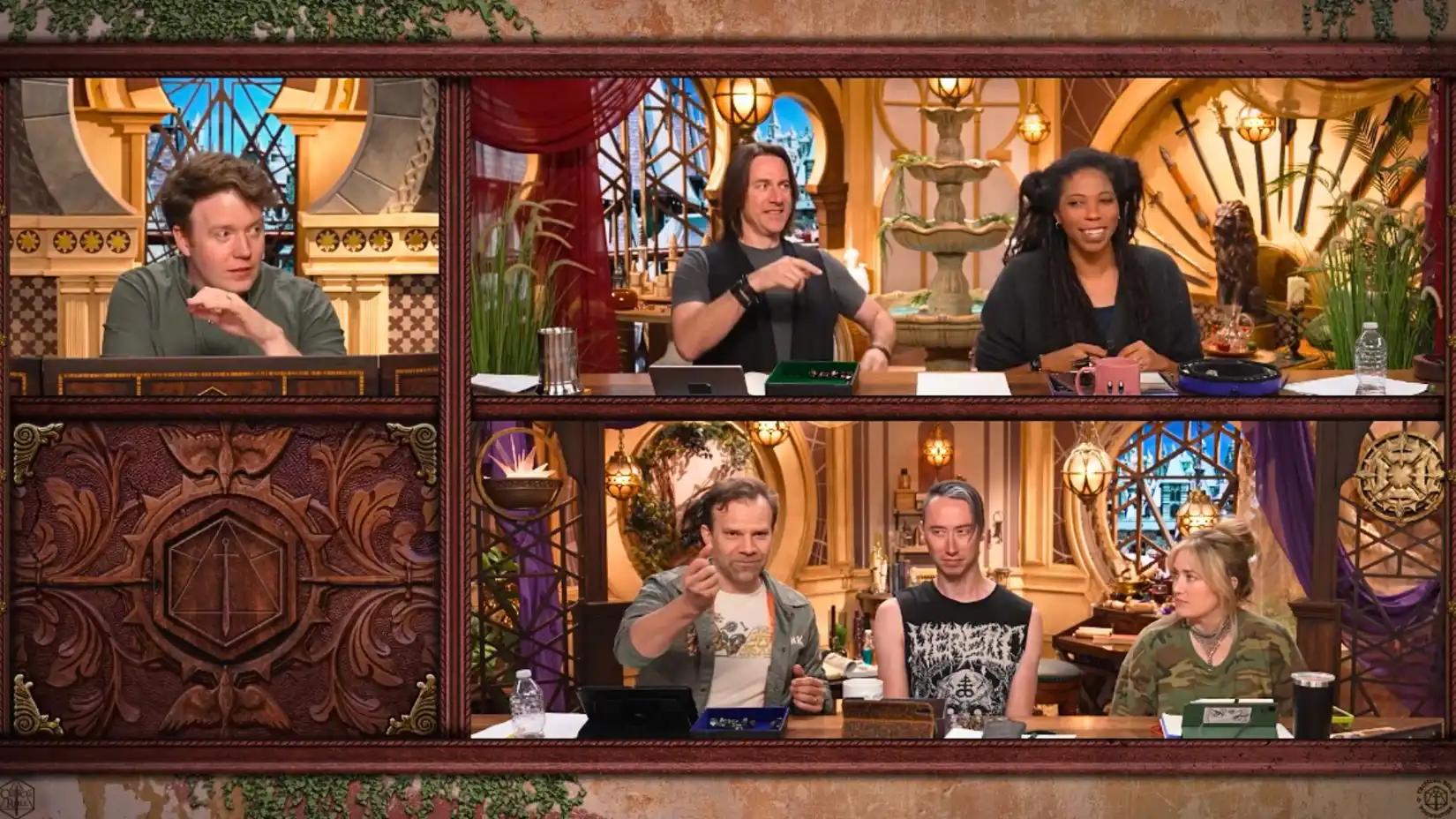
Campaign 4's West Marches-style approach split 13 players across three distinct tables: the Soldiers, the Seekers, and the Schemers. Each group pursued their own storylines with Dungeon Master Brennan Lee Mulligan overseeing the crossing of genres and narrative threads. Episode 26, titled "Council of Heroes," marked the convergence point where all three tables finally met.
The Joy of Chaotic Collaboration
The reunion episode captured something special about tabletop RPGs at their best: the unexpected moments that emerge when different groups and personalities collide. Players began sharing information their respective tables had collected during dedicated episodes, setting the stage for interactions that couldn't have been planned in advance.
Polygon's review highlighted the "pure ludicrousness" that viewers had missed during the split campaign. The examples are small, funny table moments: Kattigan Vale lying about appleless apple pies, Julien Davinos receiving a Game of Thrones-esque lecture, and Wicander Halovar having a kid steal a sandwich.
These aren't scripted beats. They're the kind of spontaneous, character-driven moments that make tabletop roleplaying unique.
What This Means for Campaign 4
The West Marches format—where multiple groups play in the same world but with different characters and DMs—has been attempted in various forms across gaming and streaming. Critical Role's execution faced the inherent challenge of keeping audiences invested in three separate storylines while building toward eventual convergence.
Episode 26 suggests the experiment worked. The tables coming together didn't feel forced or rushed. Instead, it created opportunities for character interactions and plot developments that wouldn't have been possible within a single-table structure.
For Christian and family-conscious audiences who follow Critical Role, this episode showcases collaborative storytelling at its finest. The players work together, improvise responses to each other's choices, and create something greater than any individual could plan alone. There's value in watching that process unfold, especially when it emphasizes creativity, teamwork, and the joy of shared narrative.
A Reminder of D&D's Appeal
The positive response to Episode 26 speaks to what draws people to Dungeons & Dragons in the first place. It's not just about combat encounters or rule optimization. It's about the unexpected moments, the character interactions, and the collective storytelling that emerges when a group sits down to play together.
For parents considering whether Critical Role or D&D content is appropriate for their families, this episode offers a clear example of the hobby's strengths. The content remains family-friendly while delivering genuine entertainment through creativity and collaboration rather than relying on mature themes or edge cases.
If you haven't caught up on Campaign 4 yet, Episode 26 provides a satisfying entry point that rewards both new viewers and long-time followers. The three-table structure may seem complex at first, but the payoff in this reunion episode demonstrates why the format was worth pursuing.
Continue exploring TTRPGs coverage from Crosspad Gaming.