D&D designers reveal how Baldur's Gate 3 nearly derailed Descent into Avernus development
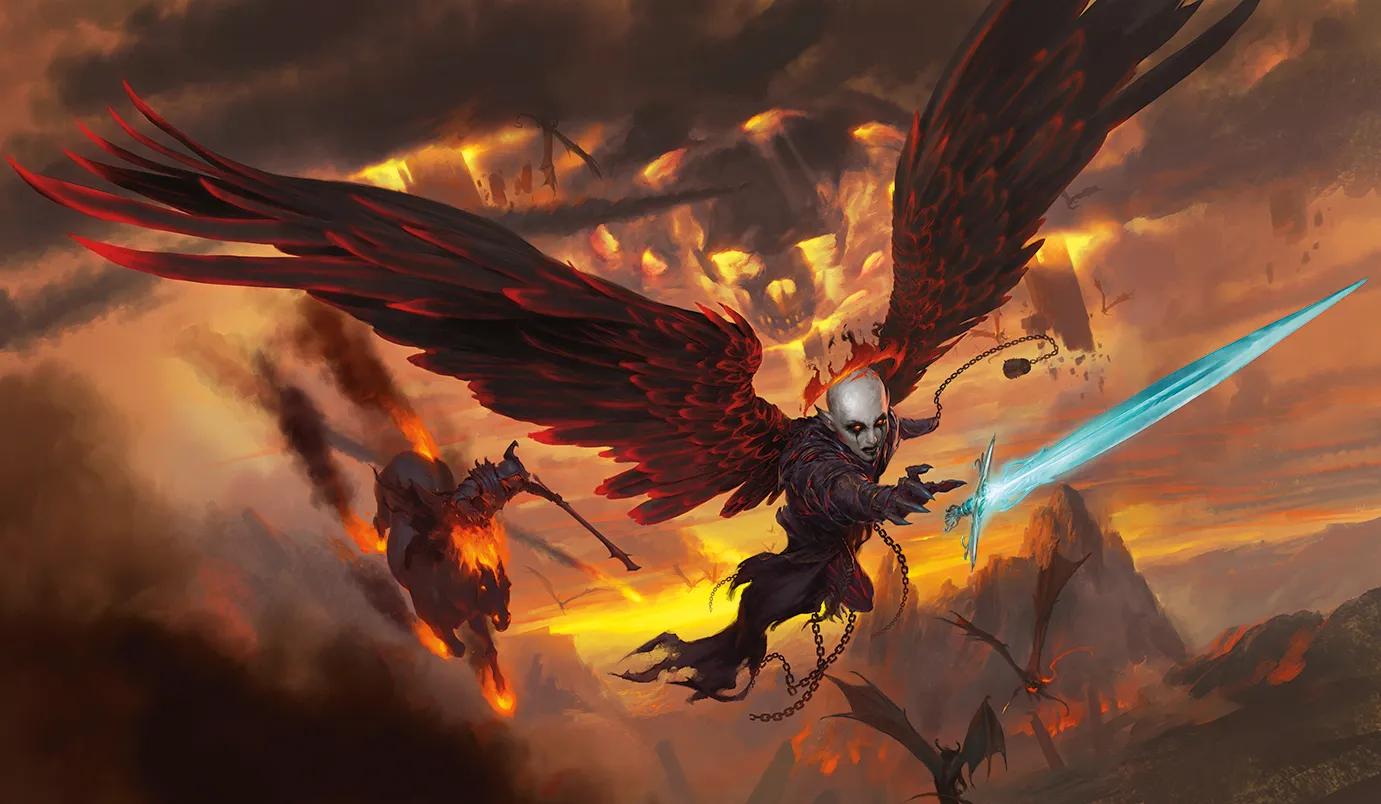
When Wizards of the Coast decided to send D&D adventurers to the Nine Hells in 2019's Descent into Avernus, they made a choice that would complicate everything: tie the TTRPG adventure to the upcoming Baldur's Gate 3 video game.
In a new interview with Polygon, D&D creative leads Chris Perkins and Adam Lee open up about how that decision "courted disaster" and shaped one of 5th edition's most controversial adventures.
The Challenge of Cross-Media Development
"Every time you try to tie a TPRG product to a video game, you are courting disaster," Perkins told Polygon. The Descent into Avernus adventure was D&D's first serious exploration of the Nine Hells in 5th edition, but it was also meant to connect to Larian Studios' Baldur's Gate 3—a video game still years from release.
The result? Development hurdles that forced the D&D team to rethink their approach to Zariel, the fallen angel at the adventure's center.
Zariel's Dual Nature
In Descent into Avernus, Zariel appears as both an angelic figure and one of the Nine Hells' most powerful devil lords. Lee explains this wasn't just a creative flourish—it was a narrative necessity born from the cross-media complications.
"Zariel's dual nature (fallen angel with divine spark) became the central motif for the entire adventure," Lee says. The design team needed Zariel to work in both the TTRPG and video game contexts, which meant crafting a character who could be simultaneously sympathetic and terrifying.
The Sword of Zariel, highlighted by the designers as "one of the coolest swords in D&D history," became the physical embodiment of this tension—a weapon that promises power but demands moral compromise.
Behind the Development
Adam Lee, who previously worked on Magic: The Gathering, made Descent into Avernus his first major role as D&D's story lead. The adventure was designed around themes of redemption and difficult moral choices, with Lee pitching to "really dive in" to the Nine Hells after previous treatments had been little more than sourcebook paragraphs.
Meanwhile, Perkins was juggling multiple projects during Avernus development, including the Essentials Kit, Explorer's Guide to Wildemount, and Icewind Dale. The Nine Hells adventure needed to work within these competing priorities while still delivering something fresh for D&D's core audience.
What This Means for D&D Players
The interview offers rare behind-the-scenes insight into how D&D approaches cross-media development. For players who've wondered about the strange narrative choices in Descent into Avernus, the designers' explanation provides important context.
The adventure's focus on redemption and moral choice wasn't just a creative decision—it was a response to the practical challenges of creating content that needed to work across multiple media formats.
For Crosspad readers who enjoy D&D but also follow video game adaptations, this story highlights the creative thinking that goes into making these worlds connect. The tension between preserving D&D's tabletop roots and embracing video game crossovers continues to shape how Wizards of the Coast approaches their biggest products.
Descent into Avernus remains available for D&D 5th edition, and the lessons learned from its development have informed later TTRPG-video game connections. As Lee and Perkins show, sometimes the most interesting stories come from the challenges behind the scenes.
---
Sources:
Polygon interview with Chris Perkins and Adam Lee
Wizards of the Coast D&D official page
D&D 5e Wiki on the Sword of Zariel
Continue exploring TTRPGs coverage from Crosspad Gaming.