Warhorse Studios Fires Translator, Switches to AI
Kingdom Come II's English editor says he was fired for AI, sparking debate over automation in game localization
Warhorse Studios Fires Translator, Switches to AI
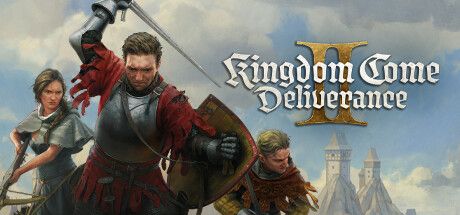
Max Hejtmánek, the English editor and voice-over director for Kingdom Come: Deliverance II, says he was fired from Warhorse Studios and told his position was made "obsolete" in favor of AI translation. Co-founder Daniel Vávra has publicly defended the use of AI technology.
The Situation
This is one of the most concrete, publicly documented cases of a game studio replacing a named employee with generative AI. Hejtmánek didn't leave quietly. He posted about his firing online, and the gaming press picked it up immediately. Kotaku, Polygon, and TheGamer all ran stories within days.
Warhorse's position, as articulated by Vávra, is that AI tools are part of modern game development and that the studio is making practical business decisions. The company hasn't disputed Hejtmánek's account of being told his role was obsolete — they've just argued that the shift is reasonable.
The gaming community's response has been furious. Fans of Kingdom Come: Deliverance, a series built on historical authenticity and careful craftsmanship, are pushing back hard against the idea that AI can replace the human work that made the game's English localization feel lived-in and period-appropriate.
Who Is Affected
Directly: Hejtmánek, obviously. But the ripple effects reach every localization professional in the gaming industry. If Warhorse can publicly fire a translator in favor of AI and face no meaningful business consequences, it signals to other studios that they can do the same.
Indirectly: players. Localization is one of those invisible crafts that people only notice when it's bad. Good localization makes a game feel native in every language. Bad localization breaks immersion, creates confusion, and undermines the experience. AI translation is getting better, but it still struggles with tone, cultural context, and the kind of creative wordplay that makes dialogue feel alive.
Implications for Gamers
If this becomes a trend — studios replacing human translators with AI to cut costs — players in non-English markets could see a quality drop in localized games. Kingdom Come: Deliverance is a game that lives and dies on its writing. The historical setting, the dialogue, the quest descriptions — all of that requires a translator who understands the source material, not just the words.
For English-speaking players, the impact is less direct but still real. Voice-over direction is part of what makes performances feel authentic. If that role gets automated, the human touch in game performances could suffer.
Why It Matters to Crosspad Readers
For Crosspad readers, this story is about values in action. Games are made by people. When studios prioritize cost savings over the humans who craft the experience, it's worth paying attention — not to boycott anything, but to be informed about where our entertainment comes from and what trade-offs are being made.
Kingdom Come: Deliverance was celebrated for its commitment to authenticity. The irony of a game built on human craftsmanship cutting corners on human labor isn't lost on anyone watching this unfold. It raises a fair question for any gamer: what are you willing to accept in the name of cheaper game development?
Looking Ahead
Watch for other studios' responses. The Warhorse incident is generating enough backlash that some companies may publicly commit to maintaining human translation teams. Others may quietly follow Warhorse's lead and hope nobody notices.
The localization industry is also likely to organize more visibly around this issue. Professional translators have been warning about AI displacement for years. Having a specific, named case to point to gives their argument teeth.
For now, the smart move for gamers is to pay attention to credits. Games that credit human translators and voice directors are signaling something about their values. That information matters.
Continue exploring Video Games coverage from Crosspad Gaming.