Warhammer 40,000 Adepta Sororitas Faction Focus
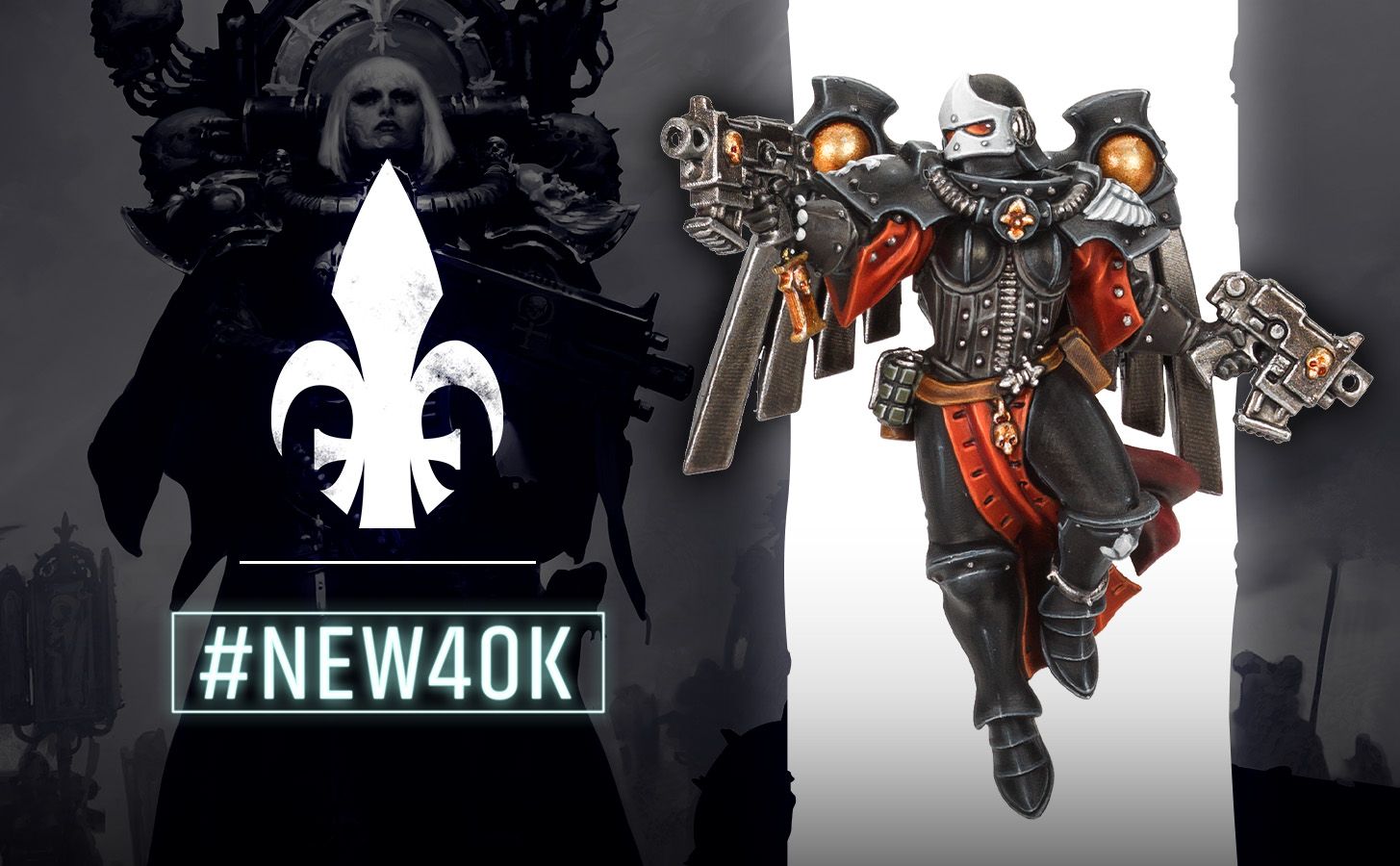
Warhammer Community has published an official Warhammer 40,000 faction focus for the Adepta Sororitas, highlighting new detachments and the army’s familiar faith-and-fire identity. For Sisters of Battle players, that makes the article useful on two levels: it previews how the faction is being framed on the tabletop, and it gives hobbyists another look at the army’s tone before list-building decisions begin.
The Adepta Sororitas have always been one of Warhammer 40,000’s most visually and thematically distinct armies. They are built around zeal, martyrdom language, ritual imagery, flamers, power armor, and a grimdark version of sacred warfare. The official focus gives current players a fresh reason to revisit that identity as the faction receives new detachment attention.
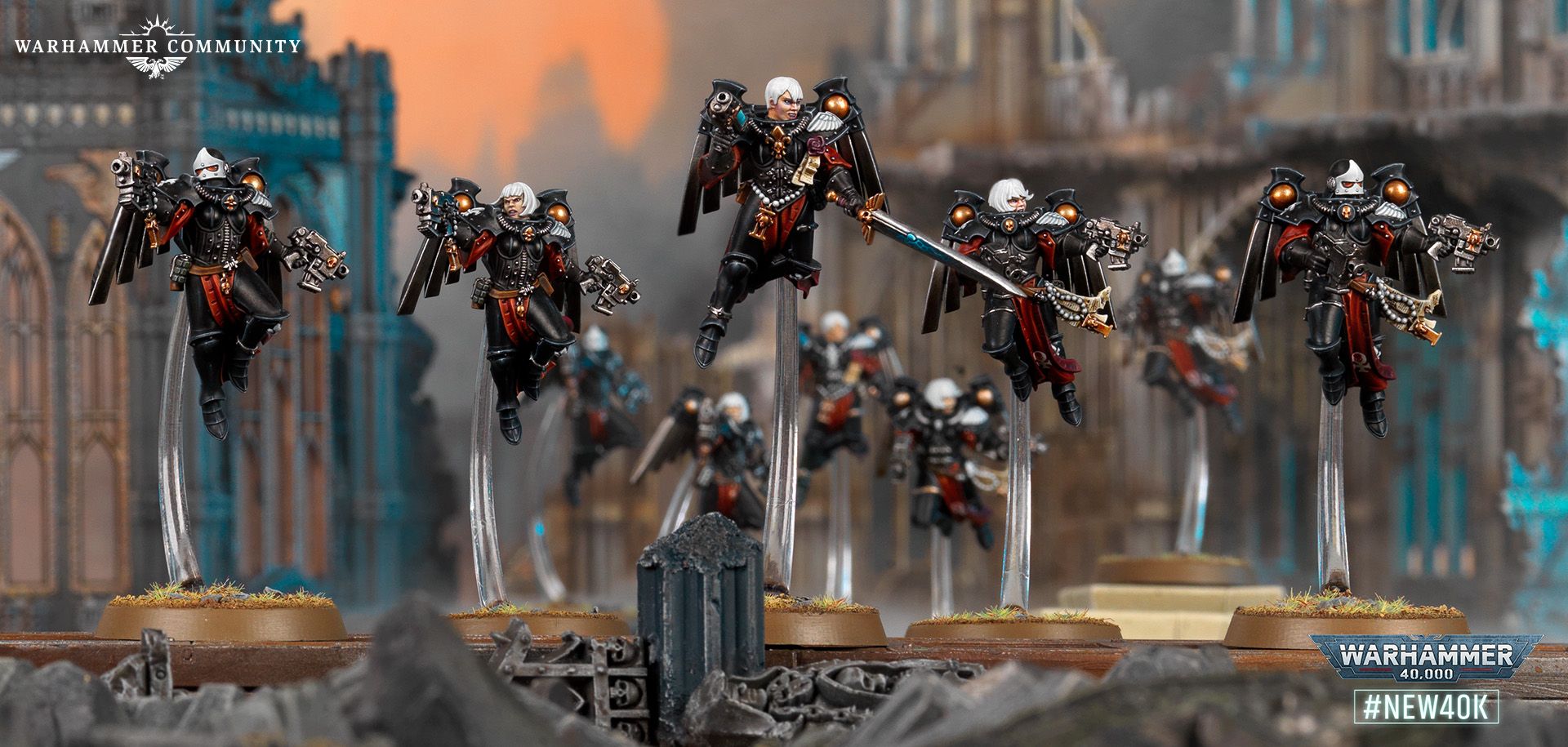
From a practical wargaming angle, faction focus articles are helpful because they give players a way to think before buying, painting, or rebuilding an army. A detachment can change which units feel central, which models sit on the shelf, and what kind of battlefield plan a player wants to practice. Even without treating every preview as a final verdict, Sisters players now have a clearer sense of what Games Workshop wants the army to feel like in this update cycle.
For Crosspad readers, the Adepta Sororitas also call for a little more discernment than a standard rules preview. Warhammer 40,000 uses religious language as part of a brutal science-fantasy setting. The Sisters’ theme is intentionally severe, dramatic, and exaggerated. Christian players do not need to pretend that fictional grimdark faith maps neatly onto real faith. They also do not need to panic every time a miniature game uses cathedral imagery or devotional vocabulary.
A healthier reading starts by keeping categories clear. This is a fictional faction in a dystopian setting. Its symbols and language are part of the army’s story and mood. Players can enjoy the painting challenge, tactical identity, and gothic art direction while still recognizing that the setting often twists noble words into something darker. That awareness helps a hobby stay grounded.
Parents with teens interested in the faction may want to look at the imagery and tone before buying in. The concern is less about one article and more about what the army celebrates in play: violence, religious spectacle, sacrifice language, and a bleak imperial worldview. Some families will find that manageable with conversation. Others may prefer a different faction or a different game. Both responses can be reasonable when they are made calmly and with actual knowledge of the material.
For hobbyists already collecting Adepta Sororitas, the new faction focus is a good prompt to slow down and plan. Read the official details, think through the detachment direction, and decide whether the army you own still supports the style you enjoy. If the answer is yes, this preview gives you energy for painting and list refinement. If the answer is uncertain, waiting for more rules context may be wiser than chasing every new angle immediately.
The hobby side also deserves attention. Adepta Sororitas armies can ask a lot from a player: detailed infantry, strong iconography, vehicles with ornate surfaces, and a color scheme that often rewards patience. A faction focus can make a collector excited, but it should also help that collector count the real cost in time, money, and attention. Buying a new box because the army looks powerful this week is a quick path to an unpainted backlog. Choosing a faction because the models, story, and play style still interest you after the preview is a steadier path.
For local groups, this kind of article can shape expectations before games begin. If the new detachments push Sisters players toward a sharper identity, opponents can prepare for that style with less frustration. Better expectations usually make better games.
The Adepta Sororitas remain one of Warhammer 40,000’s clearest examples of style and substance pulling in the same direction. The new faction focus keeps that identity front and center. Players who approach it with clear eyes can appreciate the craft, examine the themes, and make better decisions for their own tables.
Continue exploring Wargames coverage from Crosspad Gaming.