Quantic Dream cancels Spellcasters Chronicles, begins internal reorganization

Concept-Art-(Logo)-cropped.jpgsource_page: https://www.gamesindustry.biz/quantic-dream-cancels-first-multiplayer-title-spellcasters-chroniclessource_name: GamesIndustry.bizcredit: 'Image credit: Quantic Dream'caption: Spellcasters Chronicles concept art---
Quantic Dream is shutting down Spellcasters Chronicles just three months after launch, with game servers scheduled to go offline on June 19, 2026. The French developer announced that all early access purchases are eligible for full refunds as it begins an internal reorganization.
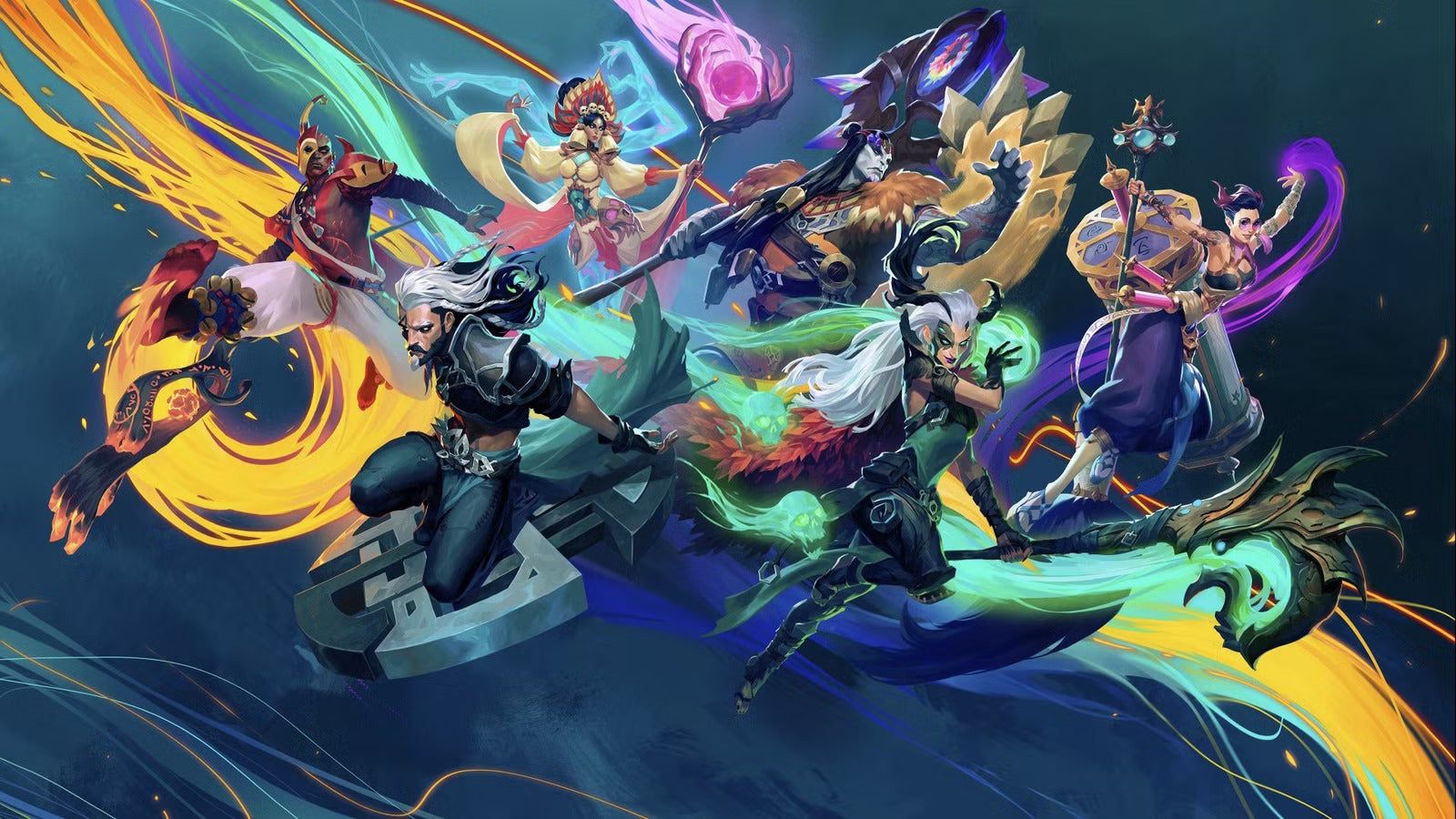
The cancellation marks a significant setback for Quantic Dream's first attempt at multiplayer gaming. The studio, known for narrative-driven single-player experiences like Heavy Rain, Beyond: Two Souls, and Detroit: Become Human, described Spellcasters as a "risky, bold, new move into a totally new direction." That direction clearly didn't find the audience it needed.
Why the game didn't make it
Quantic Dream's co-CEO cited "today's particularly challenging market environment" as a key factor in the decision. The game simply hasn't reached the audience needed to sustain a multiplayer title in an increasingly crowded market.
Spellcasters Chronicles represented a departure from Quantic Dream's core strengths. The studio has built its reputation on cinematic storytelling and player choice in single-player narratives. Moving into multiplayer required a different skillset and a different understanding of what keeps players engaged over time.
The challenge isn't unique to Quantic Dream. Many single-player focused studios have struggled to find their footing in the live-service and multiplayer space. The economics, design philosophy, and player expectations all work differently.
Fair treatment in cancellation
Despite the disappointing outcome, Quantic Dream is handling the shutdown with what could be considered industry best practices. Full refunds are available for all early access purchases, and staff members are being reassigned to other productions rather than laid off.
Most notably, Star Wars Eclipse development remains unaffected. The high-profile project continues as planned, showing that the company is prioritizing its core strengths while cutting losses on experiments that didn't work out.
The risk of innovation
There's something to be said for studios taking risks, even when those risks don't pay off. Quantic Dream's attempt to expand beyond single-player narratives was a bold move that could have paid off handsomely with the right execution and market timing.
The gaming industry rewards innovation, but it also punishes missteps harshly. Spellcasters Chronicles will join the long list of multiplayer experiments that didn't find their footing. What matters now is what Quantic Dream learns from this experience and how it applies those lessons going forward.
For players who were hoping to see the studio's narrative expertise translated to a multiplayer format, the disappointment is real. But the fair treatment of customers and employees during this transition shows a company trying to do the right thing even when things go wrong.
Looking ahead
With Star Wars Eclipse still in development and the studio's core single-player identity intact, Quantic Dream isn't going anywhere. The cancellation of Spellcasters Chronicles is a setback, not an ending.
The question now is whether the studio will attempt another multiplayer project in the future, or whether it will double down on what made it successful in the first place. Either approach would make sense given what we've seen.
For now, players who purchased early access can expect their refunds, and the industry can take note of another lesson in the challenges of genre expansion.
Sources
- GamesIndustry.biz- Quantic Dream LinkedIn announcement
Continue exploring Video Games coverage from Crosspad Gaming.