Nintendo Faces Class Action Over Tariff Refunds from U.S. Gamers
Two consumers sued Nintendo of America, demanding tariff refunds for customers who paid inflated Switch 2 prices
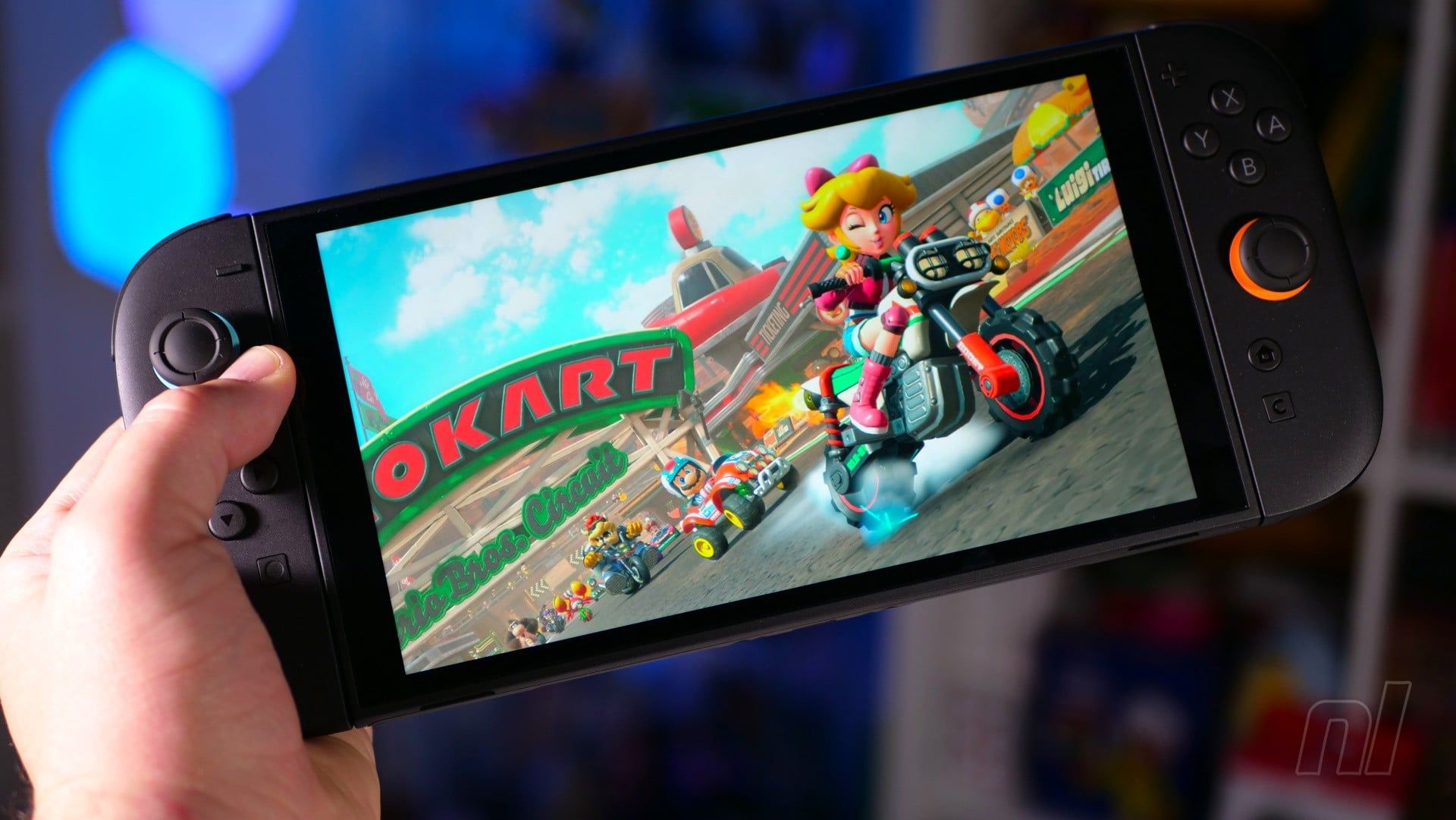
Two U.S. consumers filed a class-action lawsuit against Nintendo of America on April 21, arguing that Nintendo should pass federal tariff refunds on to customers who paid inflated prices during the tariff period. The suit, filed in U.S. District Court for the Western District of Washington, follows a Supreme Court ruling that found the underlying tariffs unconstitutional.
The Situation
From February 2025 through February 2026, Nintendo raised prices on consoles, accessories, and games in the U.S. to offset federal tariffs imposed under the International Emergency Economic Powers Act. The Supreme Court later ruled those tariffs unconstitutional. Now Nintendo is seeking refunds on the duties it paid to the federal government, and two consumers want to know why that money isn't flowing back to the people who actually absorbed the cost.
Gregory Hoffert, a California resident, and Prashant Sharan, based in Seattle, filed the suit. Their argument is straightforward: Nintendo passed tariff costs on to consumers through higher prices, and now that the tariffs have been struck down, the refunds should go to those consumers rather than back into Nintendo's coffers.
The lawsuit also raises the possibility of double recovery. If Nintendo recovers tariff payments from the government while also having charged consumers the higher prices, the company could effectively collect twice on the same costs.
Who Is Affected
Any U.S. consumer who purchased Nintendo hardware or software during the tariff period at elevated prices is a potential class member. That includes anyone who bought a Nintendo Switch, accessories, or first-party games between February 2025 and February 2026. Given that the Switch 2 launched during this window, the affected pool is substantial.
Nintendo is in a complicated position here. The company already filed its own suit against the U.S. government seeking tariff refunds. The class action argues that money belongs to consumers, not to Nintendo's bottom line.
Implications for Gamers
The core question is about corporate responsibility during trade disruptions. When a company raises prices to offset a tariff, and that tariff is later ruled illegal, who deserves the refund? The consumer who paid more, or the company that collected it?
This case could set a precedent for how gaming companies handle price adjustments when trade policy changes. If the plaintiffs win, it could create an expectation that companies must return tariff-related price increases when those tariffs are overturned. That would affect not just Nintendo but the entire gaming industry's approach to pricing during trade disputes.
For gamers on a budget — and that's most of us — the Switch 2 was already a significant purchase. The tariff period pushed prices even higher. Whether or not this lawsuit succeeds, it's worth understanding what happened and why.
Why It Matters
This is a fairness question at its core. When a company charges more because of a government policy, and that policy is later found to be unconstitutional, there's a reasonable expectation that the overcharge gets corrected. For gamers who care about stewardship, about companies treating customers fairly, and about justice in the marketplace, this case is worth following.
It also raises a practical question for parents and families. Gaming is a shared activity in many households, and the cost of entry matters. If Nintendo collected extra money that it may now recover from the government, returning that to consumers would be the right thing to do. Whether the legal system agrees is what this case will determine.
Looking Ahead
The class action is in its early stages. No court dates have been set, and Nintendo has not publicly commented on the consumer lawsuit. The company's own tariff refund case against the U.S. government is proceeding separately. The two cases could interact in complicated ways depending on timing and outcomes.
U.S. gamers who purchased Nintendo products during the tariff period should keep an eye on this case. If it gains class certification, affected consumers could eventually see partial refunds or credits. That's far from certain, but the legal mechanism is now in motion.
Continue exploring Video Games coverage from Crosspad Gaming.