Mixtape's perpetual music licenses make a preservation promise
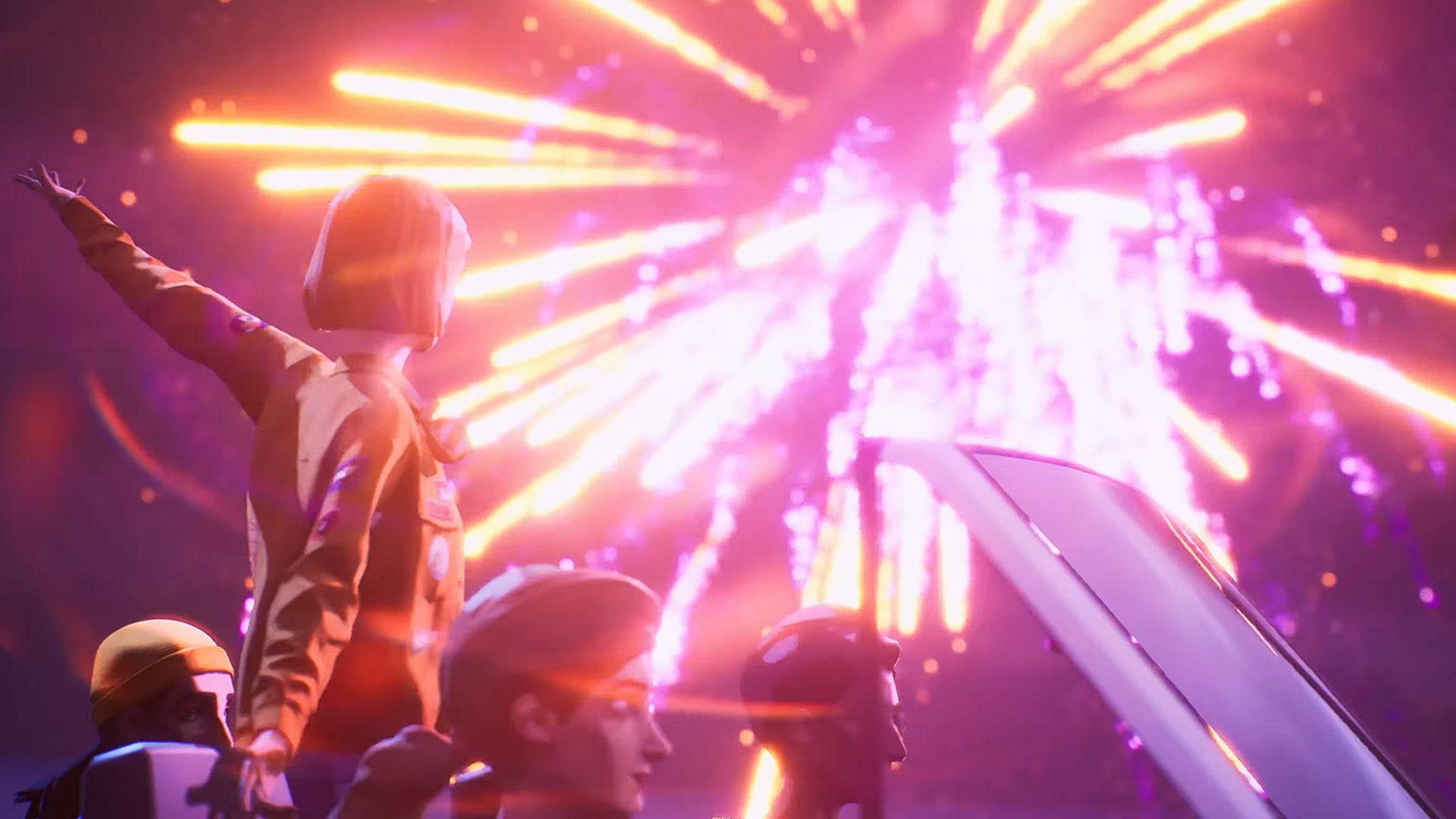
Mixtape is trying to avoid one of gaming's more frustrating modern problems before it ever happens: a great soundtrack becoming a future delisting risk.
Developer Beethoven & Dinosaur has confirmed it paid extra to license Mixtape's songs in perpetuity. That means the coming-of-age adventure should remain available to purchase even years down the line, rather than disappearing when music rights expire.
Rock Paper Shotgun reported the licensing confirmation, and Kotaku's interview with creative director Johnny Galvatron and music supervisor Woody Woodward adds useful context: the soundtrack was not treated as a disposable marketing layer. It was part of the game's foundation from the beginning.
Why the licensing detail matters
Music-heavy games can become difficult to preserve. When licenses run out, publishers may remove games from storefronts, patch out songs, or leave players with versions that feel less complete than the original release. That history makes Mixtape's licensing choice worth noticing.
For players, this is more than a business footnote. If a game is built around songs that shape its memories, tone, and emotional rhythm, losing that music can change the work itself. Paying for perpetual rights is one way to respect both the art and the audience.
A better preservation signal
Annapurna also pushed back on social media against rumors that Mixtape would be delisted because of licensing issues. Paired with the developer's comments, that gives players a clearer picture: the team expected this concern and planned around it.
That's encouraging for families and players who buy games slowly, share recommendations over time, or wait for the right platform. A game that depends on a licensed soundtrack should not have to become a race against rights expiration.
What Crosspad is watching
Mixtape's choice sets a good example for other music-driven games. It does not solve every preservation challenge, and storefront availability can still depend on business decisions beyond music rights. But it shows that developers and publishers can make durable access part of the production plan instead of treating delisting as inevitable.
For a game about memory, friendship, and the songs that mark a season of life, that commitment fits the project. Mixtape's music is meant to be remembered; now the game has a better chance of being available when players are ready to remember it.
Continue exploring Video Games coverage from Crosspad Gaming.