Last Flag Studio Cuts Staff After Shooter Struggles to Find an Audience
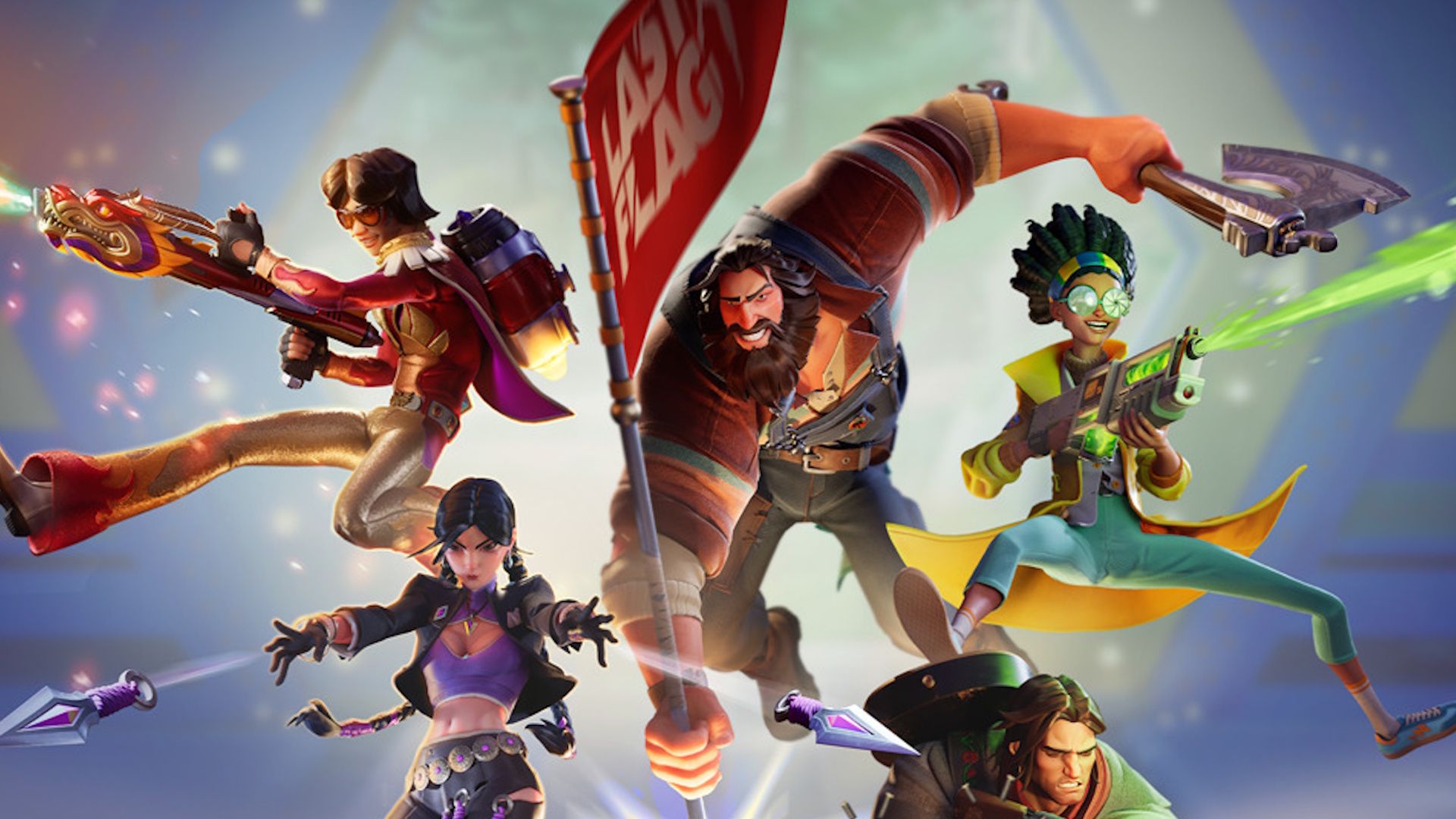
Night Street Games has laid off half of its staff and will not continue future development on Last Flag, the studio's team-based capture-the-flag shooter. The decision comes after the game failed to build the audience needed to sustain ongoing development.
Last Flag drew attention partly because Night Street Games was co-founded by Mac Reynolds and Dan Reynolds, the manager and lead singer of Imagine Dragons. Celebrity backing can help a game get noticed, but it cannot guarantee the steady player base a multiplayer title needs.
A Hard Lesson for Multiplayer Games
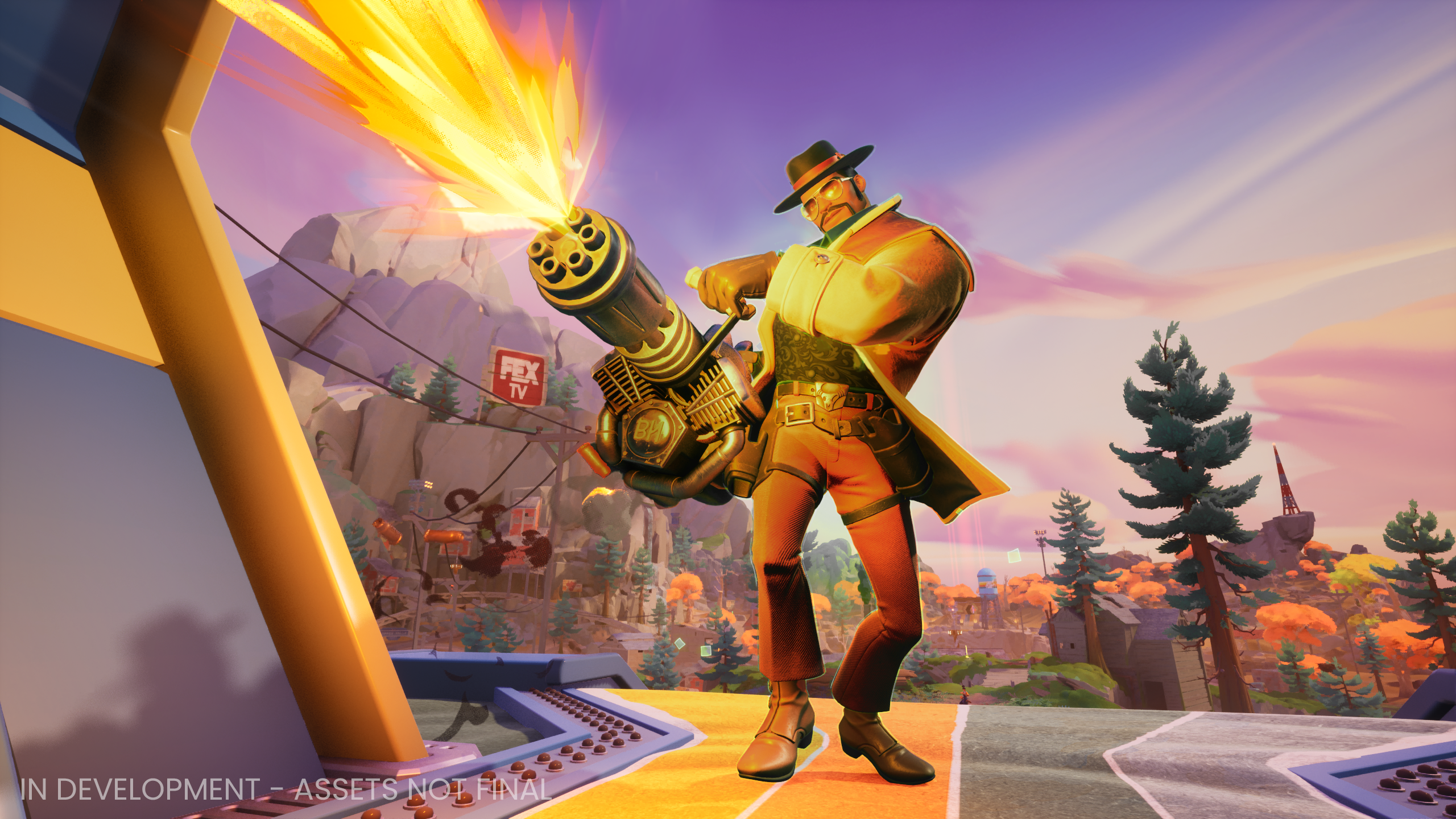
Last Flag had a clear pitch: a competitive shooter built around deception, teamwork, and capture-the-flag objectives. PC Gamer previously found a lot to like in the game, but positive early impressions did not translate into enough long-term momentum.
Night Street Games tried to give players a low-friction way in. The studio made Last Flag free to play on weekends, hoping that more people would sample the game and stick around. According to PC Gamer's report, the player count still was not enough to justify continued development.
Good Ideas Still Need Staying Power
This is the part of the story worth sitting with. A game can have a creative hook, recognizable names behind it, and moments that reviewers enjoy, yet still struggle in a crowded market. Multiplayer games especially need more than curiosity. They need enough active players to make each session feel alive.
For smaller studios, that math can turn brutal quickly. Servers, updates, community support, and marketing all require ongoing money and attention. If the audience does not arrive fast enough, even a promising concept can become unsustainable.
What Players Can Take From It
For players, Last Flag is a reminder that the games we care about are made by people whose livelihoods are tied to these outcomes. It is fair to evaluate a game honestly, but it is also worth remembering the human cost when a project misses its window.
For families and thoughtful players, there is a broader lesson here about hype and stewardship. Not every new live or competitive game can become the next long-running platform. Sometimes the healthiest response is to enjoy what is good, avoid overcommitting emotionally or financially before a game's future is clear, and pay attention to whether a community is actually forming around it.
Last Flag may not get the second act its developers hoped for. Even so, its story says something important about the current games market: visibility helps, but it does not replace trust, timing, and a player community strong enough to keep showing up.
Continue exploring Video Games coverage from Crosspad Gaming.