The fantasy TTRPG where you draw tarot cards instead of dice returns with new adventures
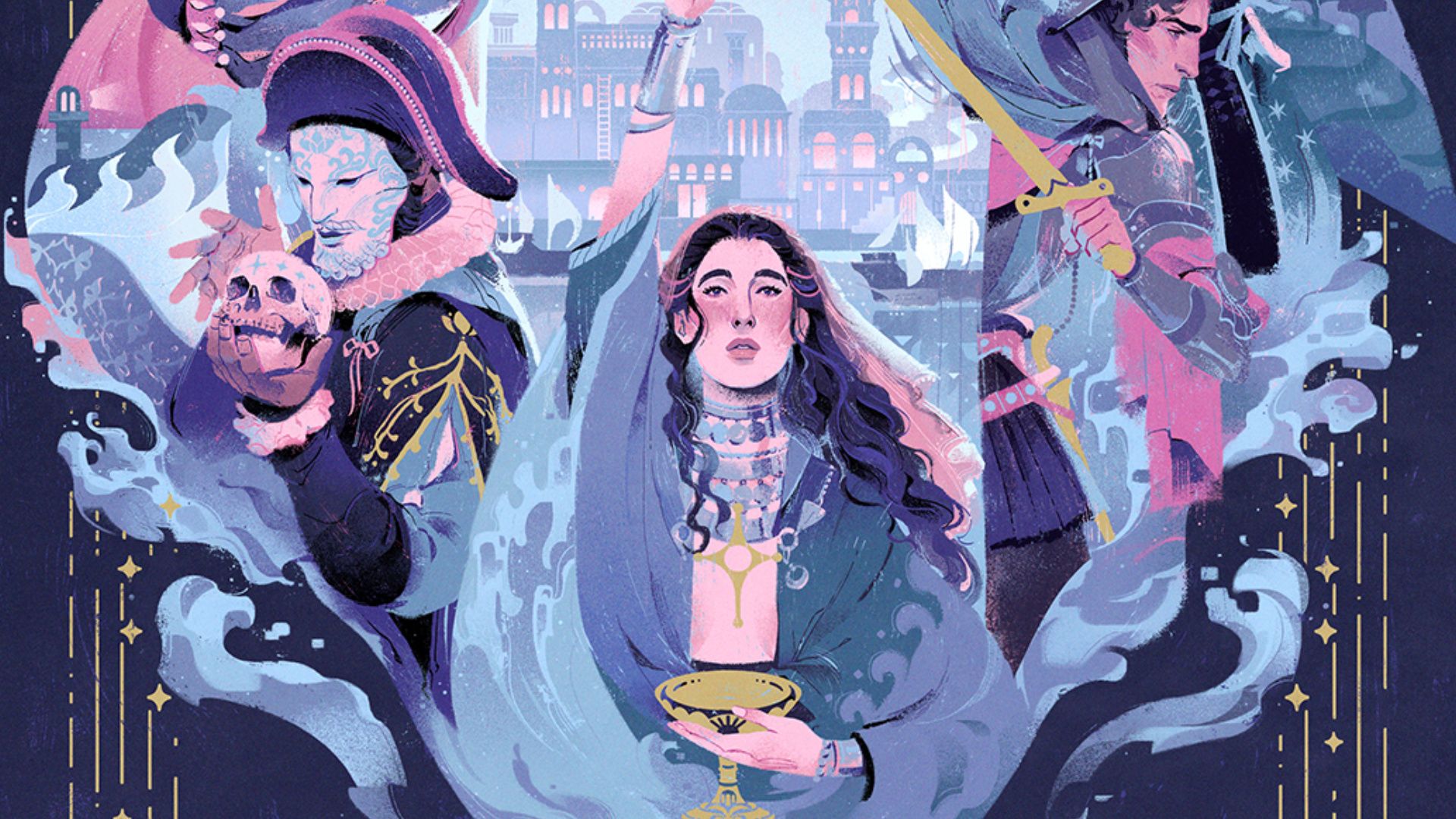
The Hidden Isle offers something different in the crowded TTRPG market. Instead of rolling dice to resolve actions, players draw from a deck of tarot cards. This mechanic has returned with new adventure modules that expand on the original system.
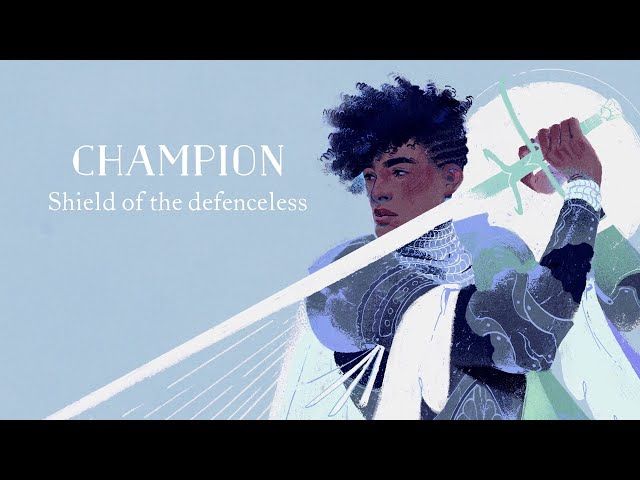
The concept draws from the symbolic nature of tarot itself. Each card carries meaning beyond its numerical value, adding narrative texture to gameplay outcomes. When a player draws the Tower card, that's not just a failed roll. It suggests chaos, disruption, or sudden change in the story. This creates opportunities for the game master to weave card meanings into the adventure.
For families exploring TTRPGs together, this system lowers some barriers to entry. Dice can be intimidating for younger players who struggle with probability or feel frustrated by bad rolls. Tarot cards provide a more tactile experience with built-in storytelling elements. The visual nature of the cards also helps players remember what happened during earlier sessions.
The new adventure modules build on the 16th-century fantasy setting that defines The Hidden Isle. Players navigate a world inspired by Renaissance Europe, where political intrigue and supernatural forces intersect. The tarot mechanic fits naturally into this atmosphere, suggesting a world where fate and choice both shape outcomes.
Game masters who run The Hidden Isle need to understand basic tarot symbolism. This differs from most TTRPGs where such knowledge is optional. Fortunately, many resources exist for learning tarot meanings, and the game provides guidance on how to interpret cards during play. The learning curve exists. Groups willing to invest the time find it manageable.
From a faith perspective, some families may have concerns about using tarot in gaming. The cards have historical associations with divination practices that conflict with Christian teaching. The Hidden Isle treats them as game mechanics. This differs from mystical tools, similar to how a board game uses dice or cards. Each family needs to discern whether this distinction matters for their household.
The alternative resolution system also appeals to players who want something fresh. TTRPGs have been dominated by d20 systems for decades. The Hidden Isle proves that other approaches can work, offering a different kind of randomness that feels less mechanical than dice rolling.
New adventures mean more content for existing groups and a reason for new players to try the system. The modules expand on the core rules while maintaining the tarot-based mechanics that define the game. This approach respects the original design while giving players fresh scenarios to explore.
For groups considering The Hidden Isle, the question is whether the tarot mechanic enhances or complicates your play experience. Some find it adds depth and memorability. Others prefer the straightforward nature of dice. Both approaches have merit, and the right choice depends on what your group values in tabletop gaming.
Continue exploring TTRPGs coverage from Crosspad Gaming.