What Not to Copy From Critical Role at Your D&D Table
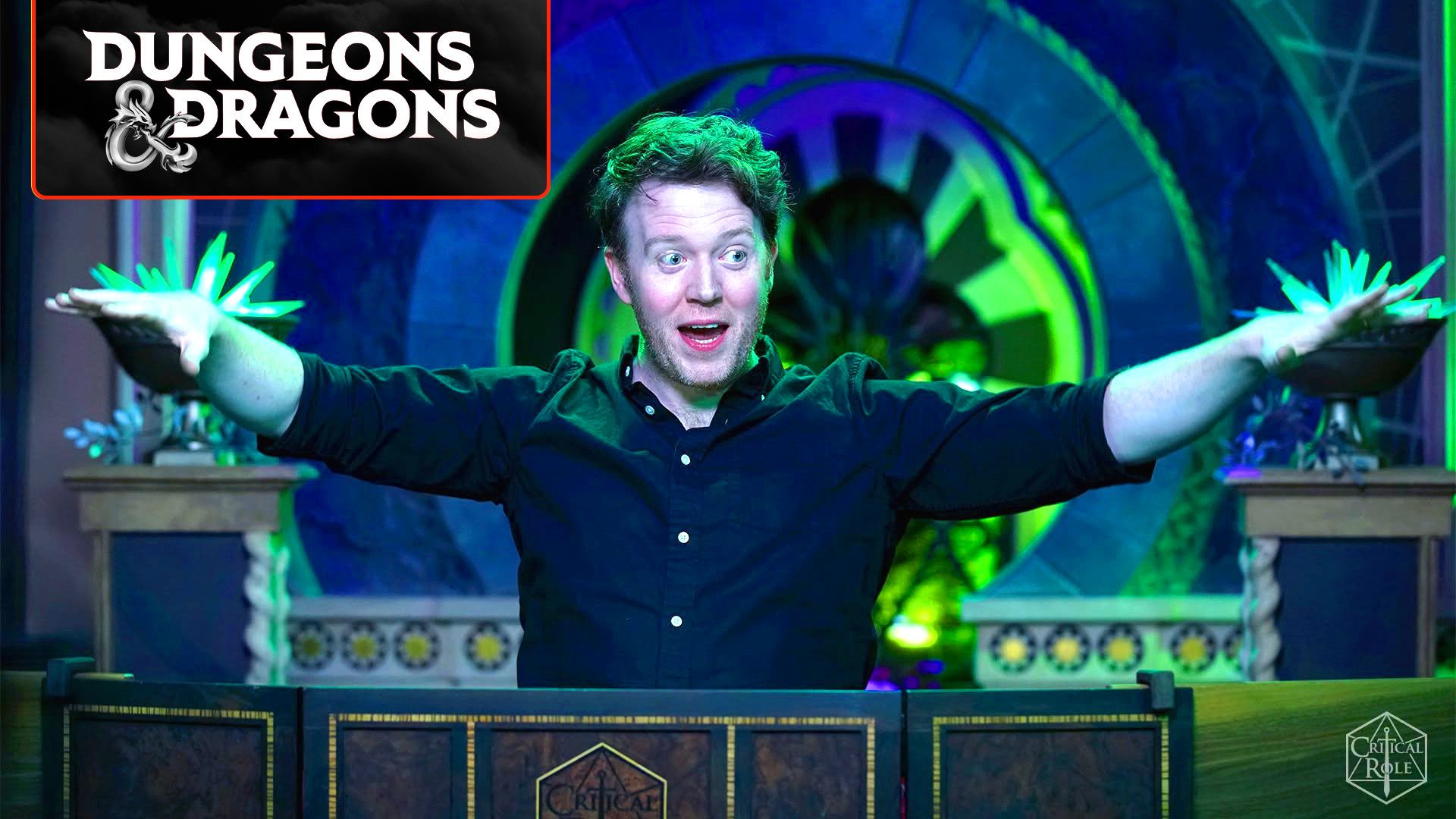
Critical Role has built one of the most successful actual play productions in TTRPG history. The cast brings professional voice acting, dedicated DM preparation, and production budgets that exceed most indie studios. That level of polish makes for great entertainment. It also creates expectations that home games cannot and should not meet.
A new guide from Wargamer identifies three things Critical Role does that regular players should not try at home. Understanding these differences helps new groups avoid frustration and disappointment.
First, Critical Role treats their sessions like professional productions. The cast has stunt coordinators for dangerous roleplay moments. They have dedicated sound engineers, camera operators, and editors. When a player falls off a table during an intense scene, there is a safety team ready. When a voice actor needs multiple takes to get a line right, the schedule accommodates it. Your home game does not have this infrastructure. Trying to replicate it means burning out your DM or creating pressure that ruins the fun.
Second, the production value creates an illusion of seamless gameplay. Critical Role's DMs prepare for weeks before recording. They have notes, maps, and NPC voices ready to go. When something goes wrong, the edit cuts it out. Your home game will have awkward pauses, forgotten rules, and moments where the story stalls. That is normal. It is also fine. The goal is not to produce content. The goal is to spend time with friends.

Third, Critical Role's cast has years of experience playing together. They know each other's styles, limits, and preferences. New groups do not have that advantage. Trying to run a game like Critical Role when you are still learning your table's dynamics sets everyone up for failure. Start small. Learn what works for your group. Build your own style instead of copying someone else's.
For parents who wonder whether their kids should emulate Critical Role, the advice is simple. Watch the show for entertainment. Play D&D for connection. The two activities serve different purposes.
The professional production gap matters because it shapes expectations. New players see Critical Role and think that is what D&D should look like. When their own games feel messy or unpolished, they assume something is wrong. Nothing is wrong. Home games are supposed to be imperfect. That is where the real memories happen.
DMs should feel free to borrow ideas from Critical Role. Take the character depth. Steal the world-building approach. Adapt the dramatic pacing. But do not try to match the production budget. Do not stress about voice acting. Do not worry if your session does not sound like a podcast.
Players should remember that Critical Role's cast has support systems that home groups lack. They have coaches, therapists, and production teams watching their mental health. If your group wants to run long campaigns with intense themes, build those support systems first. Talk about boundaries. Check in with each other. Make sure everyone feels safe.
The best D&D games are not the ones that look like Critical Role. They are the ones where everyone feels welcome, where the story matters, and where friends laugh together around a table. That kind of game does not need a production budget. It needs good people and a willingness to have fun.
Critical Role shows what is possible when you have resources and experience. Your home game shows what is possible when you have friends and imagination. Both are valid. Both are worth playing. Just do not try to make them the same thing.
Continue exploring TTRPGs coverage from Crosspad Gaming.