

Bodycam’s Realism Cannot Settle the Moral Questions of Violence
Commentary: Christian players can appreciate its advertised bodily limits and tactical competition without mistaking camera fidelity for moral understanding.
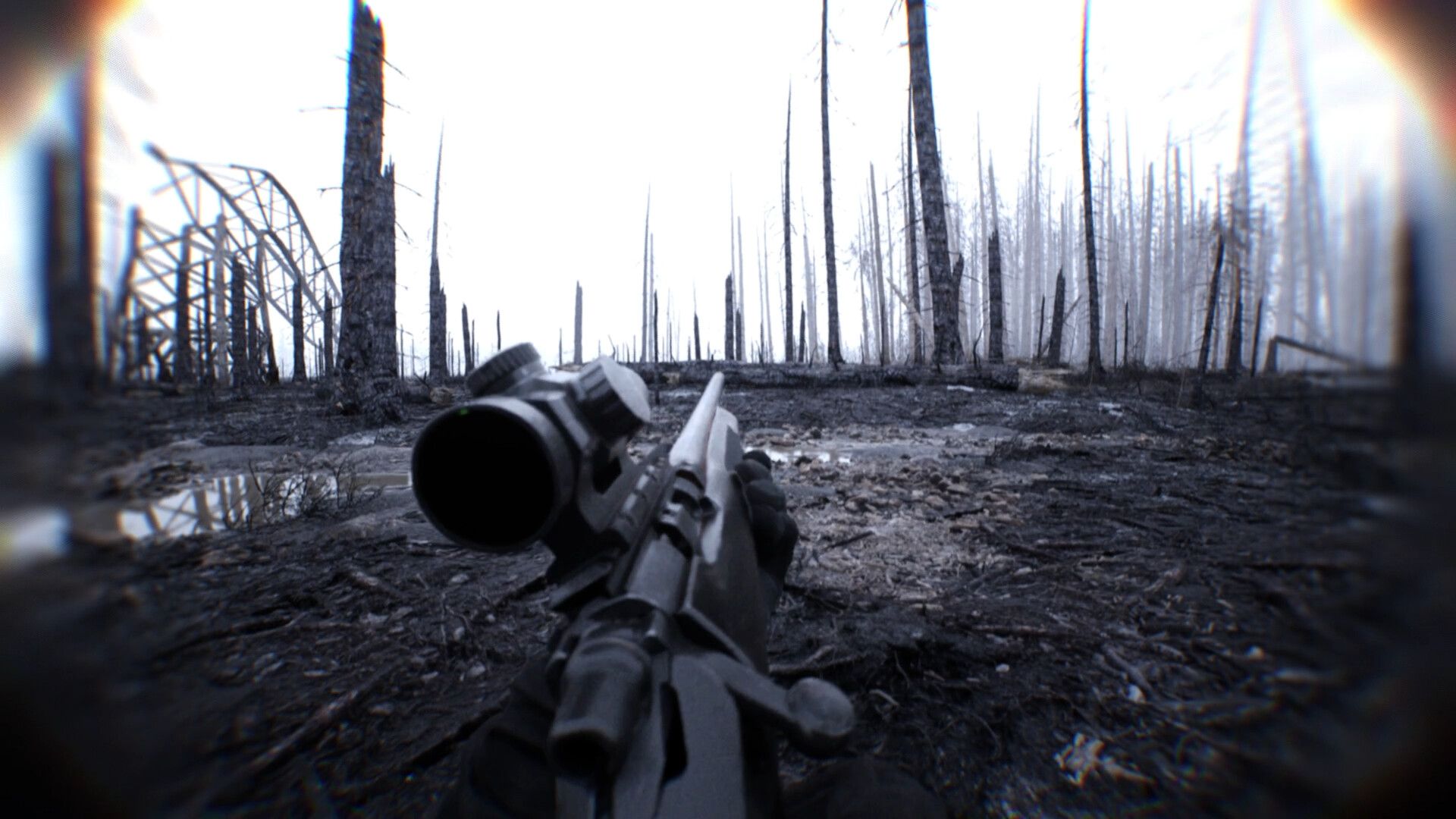
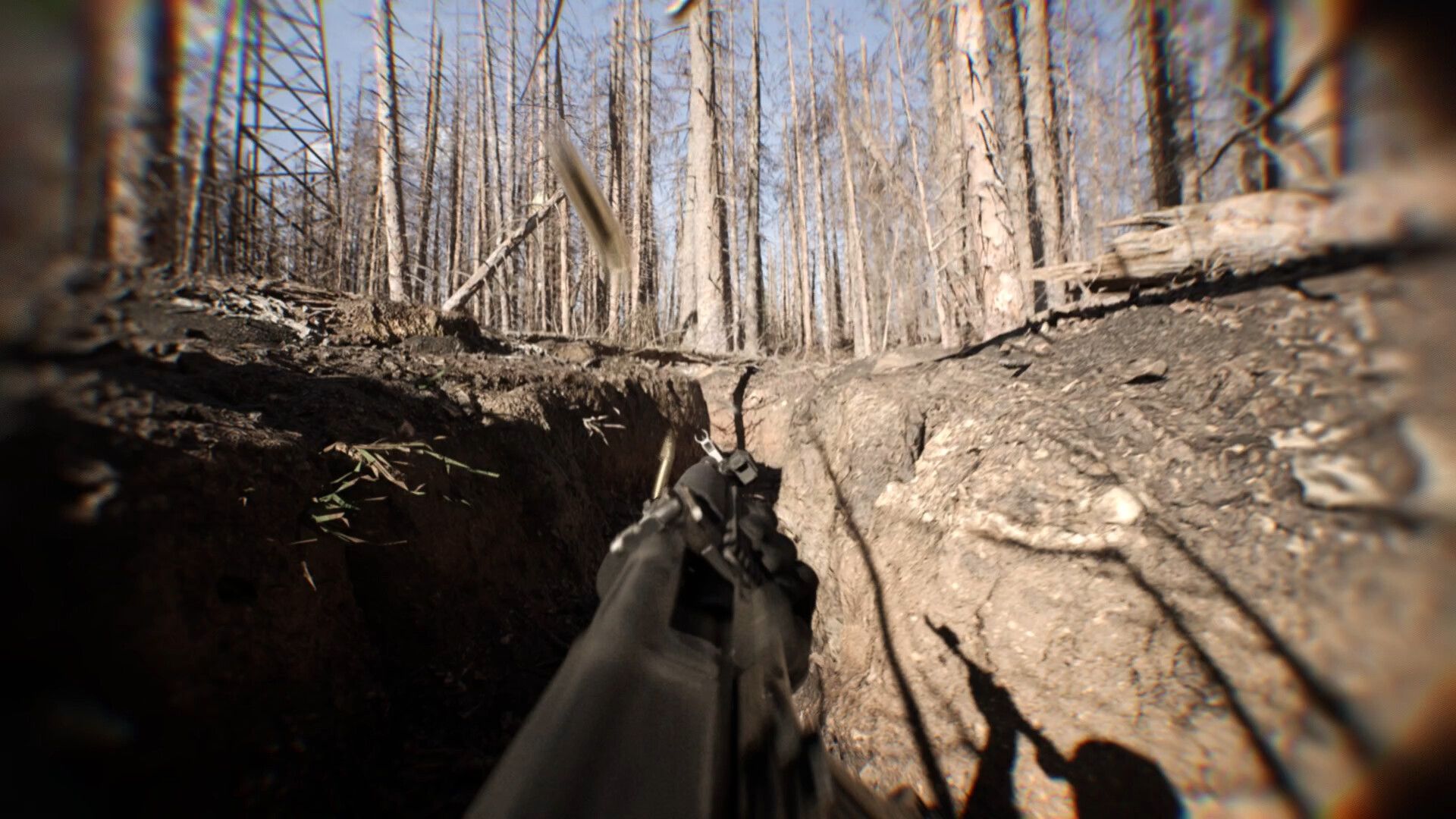
Bodycam sells the prospect of combat that looks and sounds convincingly real. Reissad’s pitch reaches beyond body-camera imagery to stressed reloads, physical mistakes and operators who can lose their balance. Those are interesting ambitions for a competitive shooter. For Christian players, though, their value depends on keeping a distinction clear: making violence convincing is not the same as explaining when violence is justified.
The advertised presentation strips away familiar information aids: no crosshair, ammunition counter or HUD. Reissad says its pursuit of realism involved studying footage, optics, camera movement, compression, exposure, sound and combat situations. That describes a particular design project, an effort to reproduce the appearance and sensory constraints of recorded combat. It does not establish that playing Bodycam is equivalent to experiencing combat, and these advertised features are not a hands-on finding about how successfully the game implements them.
There is something worth appreciating in the way the advertised mechanics acknowledge imperfect performance. Reissad describes physically connected limbs, torso and weapon, separate calm and stressed reload states, and stumbling followed by recovery. On those terms, the operator is not an effortlessly obedient weapon platform. A hurried reload can become a struggle; movement can include losing balance. As a design premise, this gives bodily limitation a place within tactical play rather than treating skill as freedom from every physical constraint.
But a difficult reload cannot tell us whether a shot should have been fired. Neither accurate optics nor convincing movement can establish who has authority to use lethal force, whether a target poses a justified threat, or whether an act is vengeance. Bodycam’s advertised systems concern perception and performance. Those moral questions concern the purpose and legitimacy of violence, a different category of judgment.
Genesis 9:5–6 supplies the foundation for taking that distinction seriously. In God’s post-flood instructions to Noah, accountability for human bloodshed rests on humanity’s creation in God’s image. The point is not that a fictional opponent possesses the status of a living human being. It is that the real violence a game seeks to imitate concerns people whose worth does not depend on their usefulness, competence or place on a scoreboard. Our editorial judgment is that Christian players should keep that human worth in view when evaluating claims of combat authenticity.
Romans also prevents a simplistic conclusion that every representation of force must be condemned alike. In Romans 12:17–21, Paul’s instructions for Christian conduct reject personal retaliation and call believers to overcome evil with good. Romans 13:1–4 then describes governing authority as God’s servant for good, bearing the sword against wrongdoing. Read together, these passages distinguish personal vengeance from an authority’s punitive role. They do not settle every question about warfare, much less prescribe a particular video-game purchase, but they show why the identity, authority and purpose of an actor matter more morally than the realism of the camera.
The strongest objection is that this asks Bodycam to do a job it never accepted. Reissad describes its starting question in audiovisual terms: could a shooter look and sound like actual body-camera footage? Its advertised Wingman mode is a two-versus-two Search & Destroy competition built around communication, positioning and precision. A competitive shooter can pursue those limited aims without becoming a comprehensive account of warfare, justice or human suffering. Tactical cooperation and demanding execution are legitimate subjects of game design, not evidence by themselves of callousness.
That objection is substantially right. The developers’ content description identifies shooting and killing other players as part of progressing through gunfights, so fictional lethal action is not merely background scenery. Yet player action within a fictional contest is not actual bloodshed, and rewarding success in that contest does not by itself prove an endorsement of real cruelty. The inspected descriptions establish neither a comprehensive moral narrative nor a glorification of suffering. We should not invent either one to make the game easier to praise or condemn.
The answer, then, is not to demand that every shooter become a moral treatise. It is to resist treating sensory authenticity as moral authority. Bodycam may advertise convincing limitations on what an operator can see and do; that does not make tactical victory an answer to whether violence is right. Conversely, its limited competitive scope does not automatically make its depictions sinful. Real cruelty and personal vengeance are genuine Christian conflicts, but realistic imagery alone does not establish that a game celebrates them.
For Christian players considering Bodycam, the useful judgment is therefore narrower than either blanket approval or blanket rejection. Appreciate the advertised craft and acknowledgment of bodily limits on their own terms. Separately ask what the game invites you to do within its fiction and how it frames that action, rather than assuming a footage-like image answers those questions. These descriptions support interest in its tactical design, not a verdict on the whole game. A convincing account of how a firefight appears can still leave the most important question unanswered: what, if anything, makes that violence just?
Sources
Continue exploring Video Games coverage from Crosspad Gaming.