BioWare veterans form Studio Reset around sustainable game development
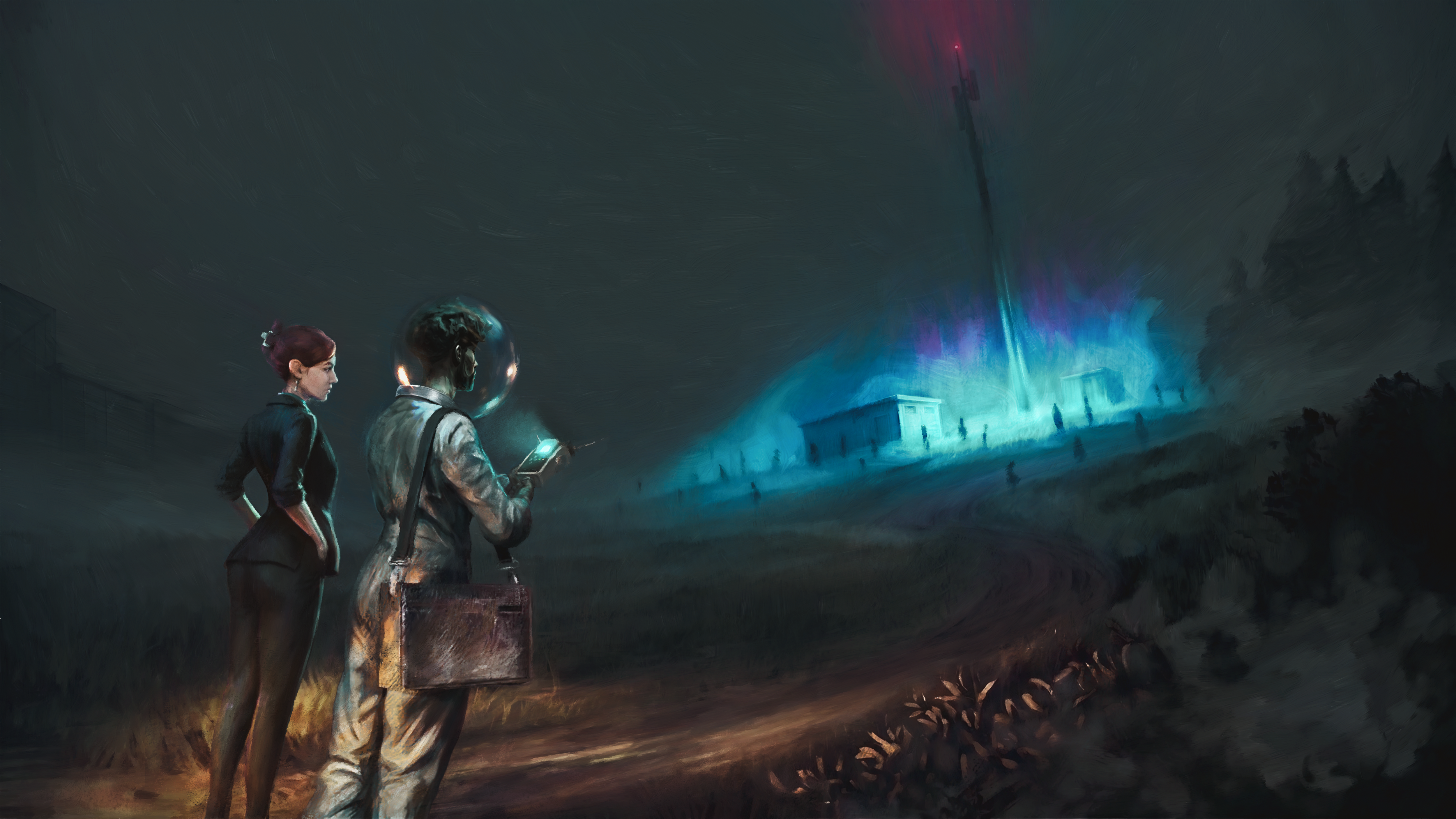
Former BioWare developers Kaelin Lavallée, Kris Schoneberg, and Francis Lacuna have launched Studio Reset, a Canadian indie studio built around a simple but refreshing idea: do not build a company that needs a massive hit just to survive.
That line matters because it cuts against a lot of what has made modern game development feel unstable. Studio Reset is not pitching scale for its own sake. It is talking about staged funding, smaller teams, original IP, and a debut game that can match the studio's actual size.
A smaller counter-model to AAA pressure
The GamesIndustry.biz report frames Studio Reset as a veteran-led response to the pressure cooker of large-scale development. Lavallée serves as creative director, Schoneberg as design director, and Lacuna as art director, with experience spanning BioWare, Inflexion Games, and Timbre Games.
The studio has already secured CAN$250,000 from the Canada Media Fund's Interactive Digital Media Prototyping program. That is not blockbuster money, but that appears to be the point. Studio Reset is trying to prove a concept without locking itself into a budget that demands explosive commercial success before the work even has room to breathe.
For players, that kind of restraint can be good news. Smaller teams are often able to communicate more clearly, iterate more quickly, and hold a creative vision together without sanding it down through too many layers of approval.
The debut game sounds deliberately scoped
Studio Reset's first project is described as a neon-noir supernatural mystery using something the team calls Parallax Deduction. The pitch is not just about mood. The studio says it wants deduction built on clear in-game clues, avoiding the kind of illogical puzzle design that can turn mystery games into exercises in guessing what the developer meant.
That is a promising design promise if the studio can deliver. Mystery games live or die on trust. Players need to believe the answer was there, that they missed it fairly, and that the game is not punishing them for failing to read the designer's mind.
There is also something encouraging about a new studio choosing a distinct, readable premise instead of chasing every current trend at once. Neon-noir supernatural mystery is specific enough to give the project identity, but flexible enough to let the team show personality.
Sustainable growth is not just business talk
Studio Reset's message lands because the industry has spent years watching studios grow too fast, chase too many bets, and then cut people loose when the numbers stop working. A studio saying it wants to stay focused and build with intent is not glamorous, but it may be healthier.
For players who care about the people behind the games they enjoy, this is worth paying attention to. Craft is not helped by constant panic. Good creative work often needs discipline, humility, and the willingness to say no to scale when scale would break the thing being made.
That is not a guarantee of success. Many good studios with sensible plans still struggle. But Studio Reset's model at least starts from a grounded place: make something original, keep the team aligned, and do not demand that one game carry an impossible burden.
Why this one is worth watching
The industry does not need every veteran team to recreate the AAA machine on a smaller budget. It needs studios that know what they are good at, understand what they can afford, and respect the player enough to build with clarity.
Studio Reset's debut project is still early, and the real test will come when players can see how Parallax Deduction works in practice. For now, the studio's founding philosophy is the story. In a season where many publishers are still learning the cost of overreach, a team choosing enough over excess feels like a modest but meaningful reset.
Sources
- GamesIndustry.biz
Continue exploring Video Games coverage from Crosspad Gaming.