Arkane and Blade Rumors Show How Fragile Game Studios Can Be
Reports from RPS, The Verge, and IGN point to another hard Xbox reset, with Arkane and Blade caught in the uncertainty.
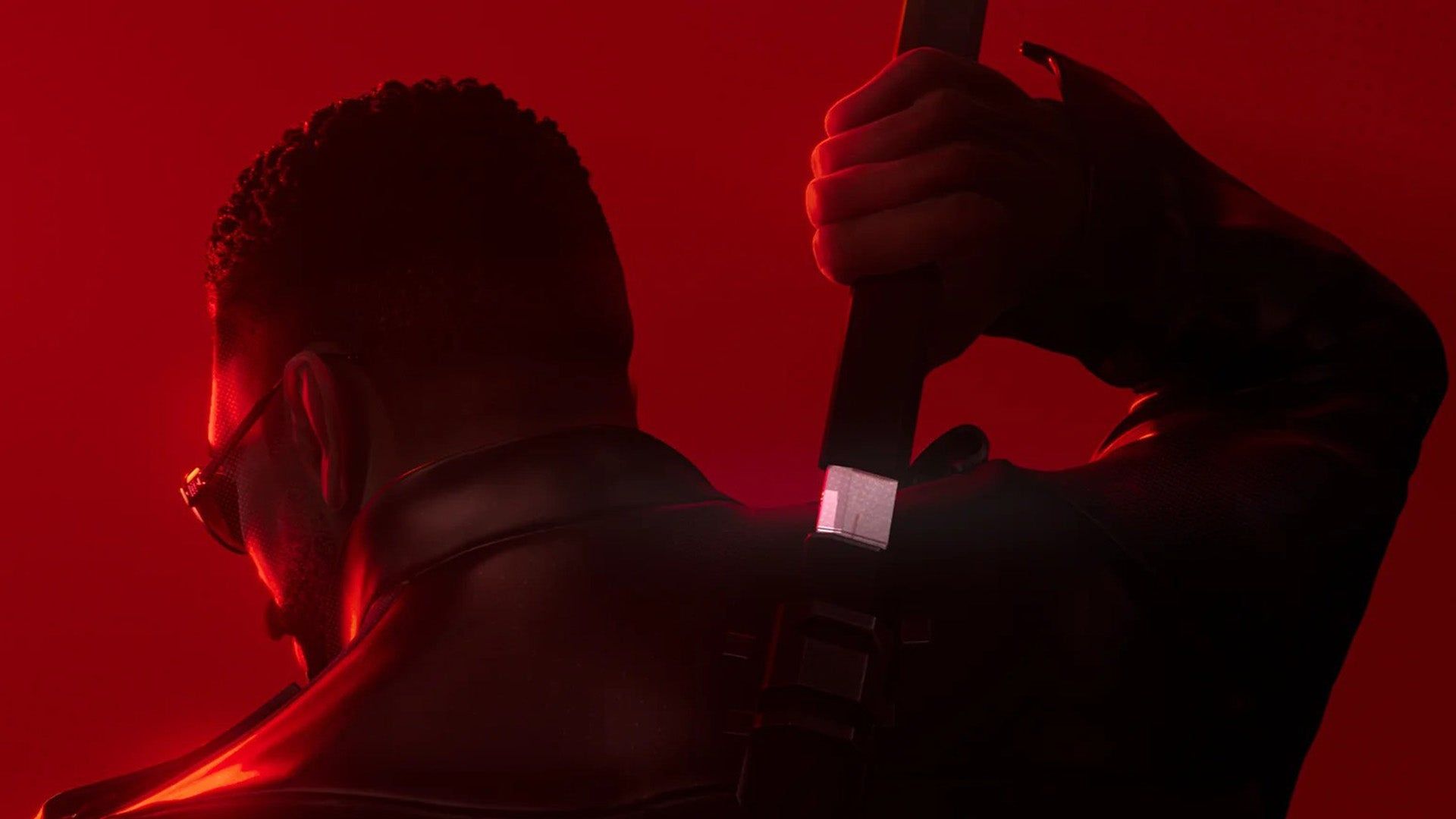
Reports around Microsoft’s Xbox restructuring have put Arkane Studios and its Blade project in the middle of another painful industry story. Rock Paper Shotgun summarized the concern bluntly: Arkane and Blade may be part of the next set of projects facing cancellation or closure. The Verge reported that Xbox was weighing the cancellation of Blade and the possible shuttering of Arkane. IGN separately reported that some projects appear safe while others remain on the chopping block.
The important word here is reported. None of this should be treated as a final obituary for Arkane or Blade until Microsoft says so directly. The responsible reading is narrower: multiple credible outlets are hearing that Microsoft is still reviewing its slate, and that Arkane’s future is not secure.
That is still serious. Arkane is one of the rare studios with a recognizable design fingerprint. Dishonored, Prey, Deathloop, and Redfall each landed differently, yet the studio’s identity has always leaned toward systemic play, spaces that respond to player choices, and worlds that reward curiosity. A Blade game from that team made sense because the character fits stealth, mobility, improvisation, and violent moral pressure.
For players, the temptation is to turn every restructuring report into a scoreboard. Which studio is safe? Which executive made the call? Which platform wins or loses? That framing misses the human and creative cost. Studio closures scatter teams. Canceled projects erase years of work before the public ever sees what was being built. Even when people land elsewhere, the specific creative chemistry may not survive.
There is also a trust problem. Xbox spent years arguing that acquisitions would bring stability, resources, and creative freedom. If another wave of cuts hits exactly the kind of distinctive studios that made those acquisitions attractive, players are right to question the strategy. Game preservation is not only about old discs and source code. It is also about protecting the conditions that let unusual games exist in the first place.
Christians should care about this without pretending every business decision is evil. Companies sometimes have to cancel projects. Budgets are real. Bad forecasts hurt real workers too. The moral question is whether leadership tells the truth, handles people with dignity, and stewards creative labor responsibly. That standard applies whether the company is tiny or one of the largest corporations on earth.
For now, Blade remains a question mark. Arkane remains a studio with a design legacy that deserves careful coverage. The wise posture is neither panic nor blind confidence. Watch for Microsoft’s direct statements, listen to the reporters doing careful work, and remember that behind every “reset plan” are developers whose work deserves more than a line item.
Continue exploring Video Games coverage from Crosspad Gaming.