Chaosium’s Time Without Tide correction is a tabletop AI warning
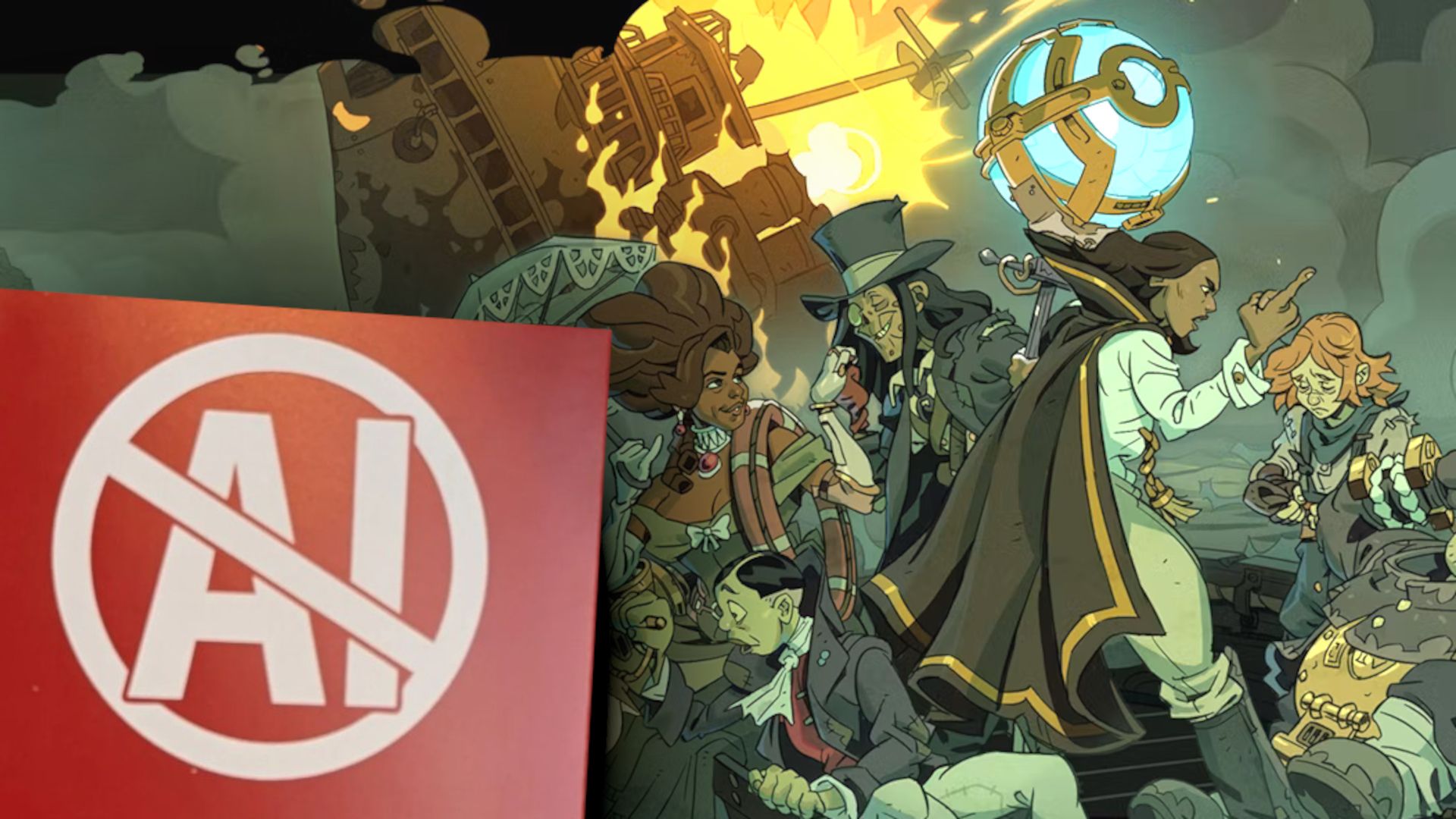
Chaosium’s Time Without Tide quickstart has become a useful tabletop cautionary tale. Wargamer reports that the publisher reissued the quickstart after rogue AI-generated description errors were found. BackerKit verifies the live project context for Time Without Tide: Mirth & Misery in the World of Fog.
That gives the story enough grounding to matter beyond one PDF correction. This is about trust, production care, and the way tabletop publishers handle creative tools in front of paying players.
Why the correction matters
A quickstart is often the first handshake between a roleplaying game and its future table. It tells players what kind of world they are entering, what the tone feels like, and whether the publisher has handled the details with care. When AI description errors make it into that first touchpoint, the issue is larger than a typo.
For creators, the lesson is stewardship. Tools can speed up production, but tools also create new ways to miss mistakes. If a publisher uses AI anywhere in the workflow, someone still has to own the final words. The table cannot hold a tool accountable. Players hold the publisher accountable.
For buyers, the lesson is practical. A corrected quickstart can be a good sign if the correction is clear and quick. It shows the publisher saw a problem and acted. The concern comes when a publisher treats machine-generated text as harmless filler. In tabletop games, flavor text is part of the product. It teaches the world, shapes expectations, and gives the table a shared imagination.
Human craft is part of the promise
Crosspad readers do not need to panic every time AI enters a production story. The better response is discernment. Human creativity is not valuable because it is inefficient. It is valuable because people bring judgment, responsibility, taste, memory, and moral attention to the work.
A roleplaying game lives or dies by that kind of attention. Rules need clarity. Setting text needs texture. Character descriptions need care. If AI output slips in without review, the final work can feel less like an invitation from a creator and more like assembled product copy.
Chaosium’s reissue shows the healthier path: correct the error and get the clean version back in front of players. That does not erase the mistake. It does make the accountability visible.
The Crosspad read
Time Without Tide may still be an interesting project. The BackerKit page confirms the live campaign context, and Chaosium has a long reputation in tabletop roleplaying. This specific story should make publishers more careful and players more alert.
For Christian creators and game groups, there is a simple principle underneath the production debate: people should take responsibility for the words they place in front of others. If a game asks a table to trust its world, its makers need to show that care before the dice ever hit the table.
Sources: Wargamer, BackerKit / Chaosium.
Continue exploring TTRPGs coverage from Crosspad Gaming.