Company of Heroes 3: Final Stand Announced
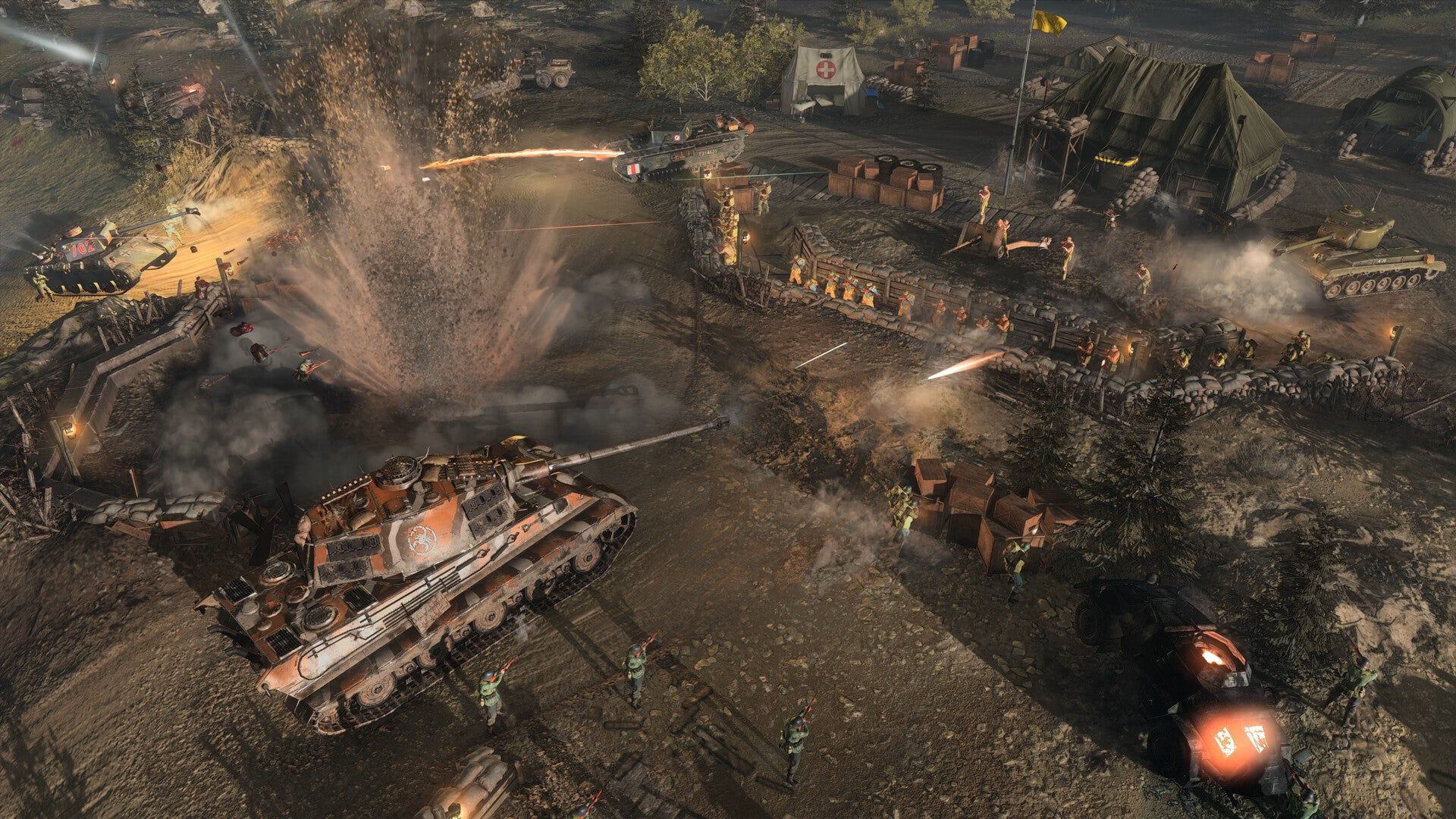
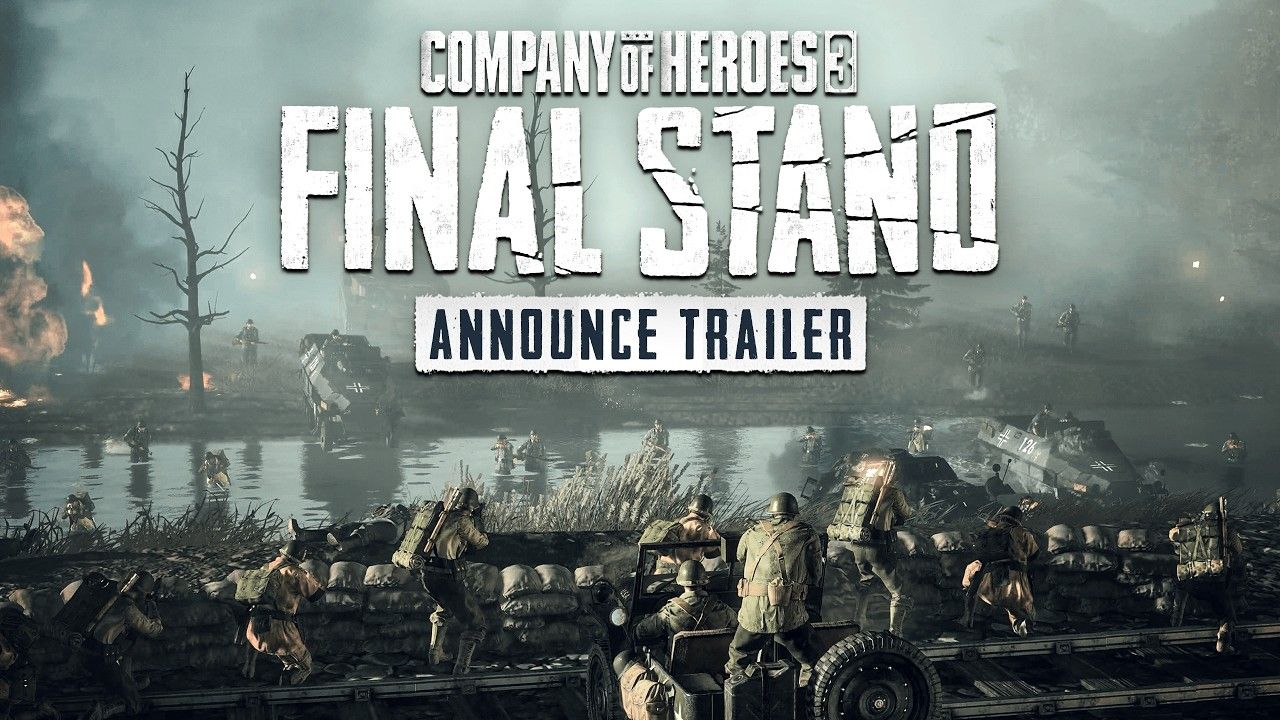
Relic Entertainment announced Company of Heroes 3: Final Stand, a standalone spin-off launching in July 2026. The game combines the real-time strategy mechanics of the main franchise with wave-defense roguelite gameplay. It targets players who want strategic depth without committing to full campaign structures.
Final Stand arrives as a separate purchase from Company of Heroes 3. Players do not need the base game to access it. The standalone release model means the spin-off can experiment with mechanics that differ from the main series while still leveraging the Company of Heroes brand.
The Genre Blend
Wave-defense games ask players to hold positions against increasingly difficult enemy waves. Success depends on resource management, unit positioning, and knowing when to use limited abilities. Roguelite elements add procedural variation and permanent progression between runs.
Company of Heroes traditionally focuses on tactical combat during World War II. Units have specific roles. Terrain affects line of sight and cover. Reinforcements arrive through gameplay. They do not spawn from a base. Final Stand adapts these systems for the wave-defense format.
The combination addresses a specific player preference. Some strategy fans enjoy the decision-making of RTS games but find long campaigns demanding. A wave-defense format offers shorter sessions with clear win conditions. Each run becomes a self-contained challenge. Final Stand adapts these systems for the wave-defense format.
Release Timeline and Availability
July 2026 marks the launch window for Final Stand. Relic has not specified a exact release date. The studio typically announces pricing and platform details closer to launch.
Steam lists the game with a coming-soon page. The store entry confirms PC as the primary platform. Console release information remains unconfirmed. Relic's recent titles have focused on PC first, with some receiving later console ports.
Family and Parental Considerations
Company of Heroes games depict World War II combat. The series includes realistic battle scenarios with military units engaging in firefights. Violence appears through tactical combat. The presentation avoids graphic detail.
Parents evaluating whether Final Stand suits their household should consider the same factors they apply to the main series. The wave-defense format may reduce overall playtime per session. That structure could make the game more manageable for families setting screen time limits.
The roguelite progression system encourages repeated attempts. Players learn from failures and improve over time. This pattern teaches persistence and strategic thinking. It also creates potential for extended engagement, which parents may want to monitor.
What This Means for Strategy Fans
Final Stand expands the Company of Heroes IP without diluting the main franchise. Players who enjoy traditional RTS campaigns can continue with Company of Heroes 3. Those who prefer shorter, replayable sessions now have an alternative.
Relic's approach shows how established studios adapt proven mechanics for different player preferences. The wave-defense genre has found success with titles like Vampire Survivors and Helldivers. Bringing those elements to a tactical RTS framework tests whether the combination appeals to strategy veterans.
The standalone release model reduces risk for both the developer and consumers. Relic can experiment with mechanics that might not fit the main series. Players who prefer traditional RTS games do not need to worry about Final Stand changing Company of Heroes 3.
Industry Context
Game studios increasingly release spin-offs alongside main titles. These companion games serve multiple purposes. They keep the brand active between major releases. They test new mechanics without committing to full sequels. They provide revenue streams that support ongoing development.
Final Stand follows this pattern. It leverages the Company of Heroes name while offering distinct gameplay. The July 2026 release gives Relic time to polish the experience and respond to early player feedback.
Strategy game fans will watch how Final Stand performs. Strong sales could encourage more spin-off development. Weak reception might signal that the wave-defense format does not resonate with RTS audiences. Either outcome provides valuable data for Relic and other studios considering similar approaches.
Sources: Rock Paper Shotgun, Steam
Continue exploring Video Games coverage from Crosspad Gaming.