How to Play an Evil D&D Character Without Wrecking Game Night
Dark characters can make great stories, but only when friendship and table trust come first.
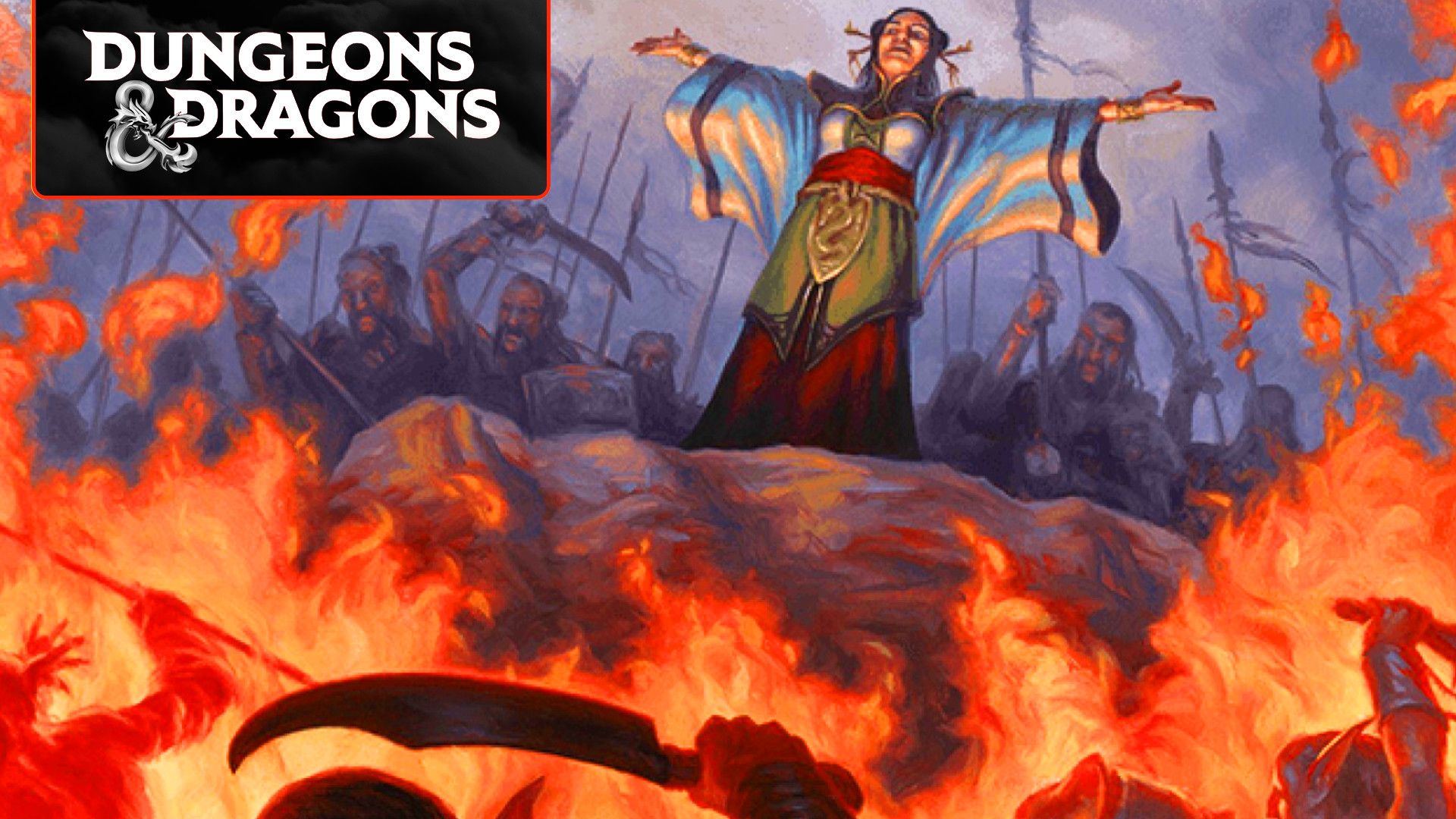
Playing an evil character in D&D can create some of the most memorable moments at the table. A cunning villain working alongside heroes, a morally gray rogue with hidden motives, or a ruthless barbarian who only respects strength. These concepts spark great stories.
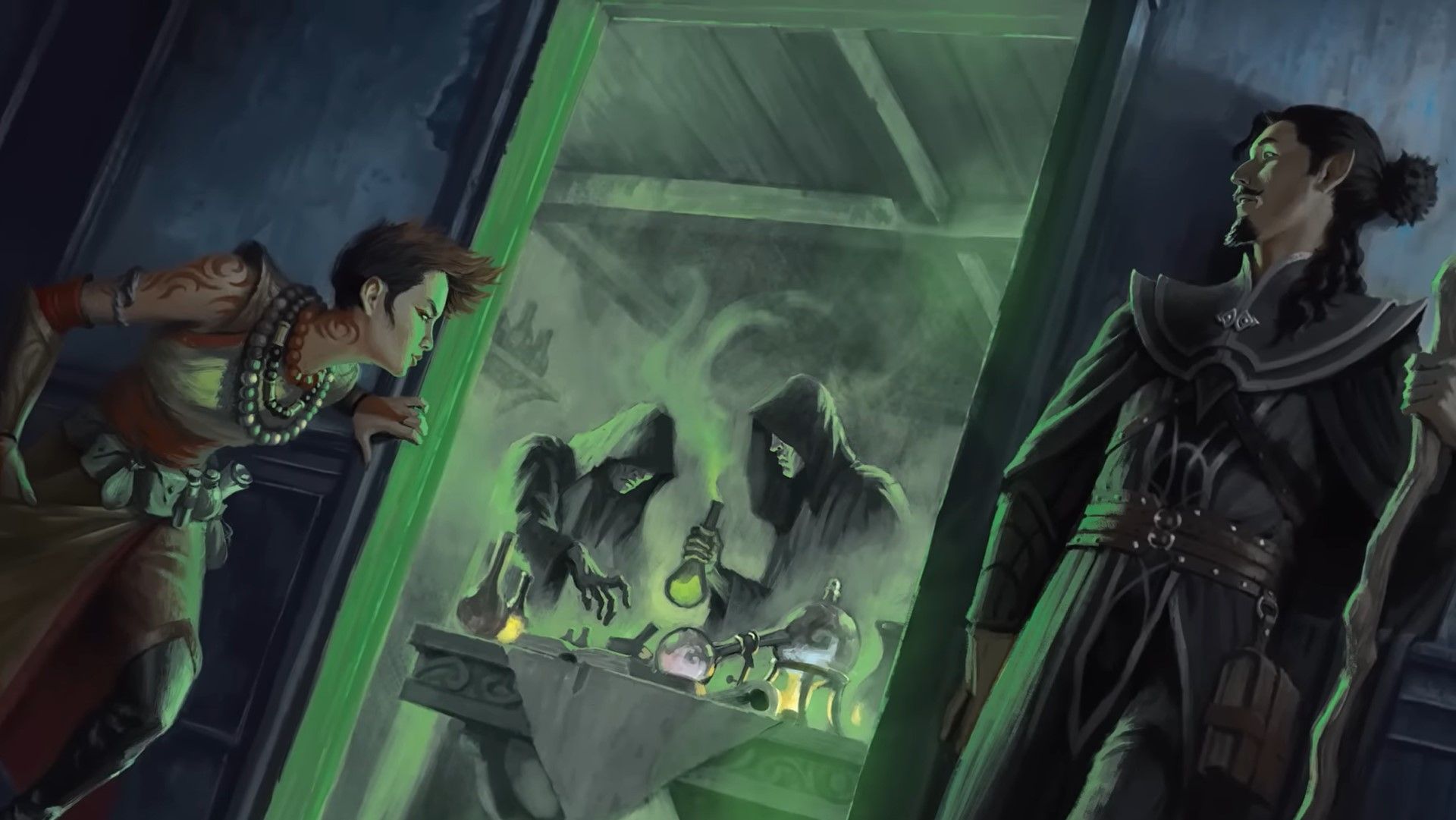
They also spark great arguments when the party falls apart.
The problem with evil characters is not alignment itself. It is what happens when one player decides their character has no reason to cooperate. The "chaotic evil" assassin who backstabs the healer. The "lawful evil" wizard who sells out the party for gold. These choices turn other players into NPCs in someone else's dark fantasy.
For groups that want to explore darker themes without ruining the experience, the solution comes down to three things: communication, constraints, and shared goals.
Talk to your DM before character creation
The first rule of playing evil is to never spring it on the group. Bring it up during session zero. Tell your DM what kind of evil character you want to play. Ask whether the campaign can support that concept.
A DM running a heroic fantasy about saving villages from dragons might not have room for a villainous assassin. A DM exploring moral gray areas in a war-torn kingdom might welcome it.
Your DM also needs to know what "evil" means for your character. Are you ruthless but loyal to the party? Self-serving but bound by honor? Truly malicious with no regard for others? These distinctions matter for plot hooks, NPC reactions, and whether your character can function in a group.
Some DMs have house rules about evil play. They might require all characters to have at least one good-aligned trait. They might limit certain classes or backgrounds. They might simply ask that no one actively harms party members. Know the rules before you roll your first d20.
Build evil-but-teamwork-friendly concepts
The best evil characters for group play have reasons to cooperate even when their motives are selfish. Here are some archetypes that work at most tables:
The Mercenary with Standards. You fight for gold, not glory. But you keep your word. If the party pays you or treats you fairly, you hold the line. You might steal from enemies, haggle over loot, or leave when the job ends. You just do not stab your allies in the back.
The Vengeful Survivor. Something destroyed your home, killed your family, or ruined your life. You hunt those responsible with cold precision. The party helps you get closer to your target. You help them because they are useful. This is not friendship. It is mutual benefit with a shared enemy.
The Cultist in Hiding. You serve a dark power. You cannot reveal this without being exiled or hunted. So you pretend to be a normal adventurer while working your patron's agenda. As long as the party does not suspect, you keep them alive. When they do suspect, well. That is a story for another session.
The Noble with a Dark Secret. You come from a powerful family with ugly traditions. Maybe you are a crime lord's heir. Maybe your house practices blood magic. Maybe you made a deal with a devil to save your sibling. You play along with the party's heroics while hiding the truth.
These concepts give you evil motivations without requiring you to sabotage the group. You still need allies. You still need to survive. You still need to pursue your goals without getting killed by the paladin.
Avoid the table-killer trap
The biggest mistake evil players make is treating other characters as obstacles. Your rogue wants to steal from the wizard. Your warlock plans to curse the cleric. Your barbarian thinks the bard is weak.
This is not roleplay. This is poor sportsmanship.
D&D is a cooperative game. The party wins or loses together. When one player decides to work against the group, they are really saying "my fun matters more than yours."
If you want to play evil, you can still be a team player. Here is how:
Never attack or betray a party member without their player's consent
Do not steal from the party unless everyone agrees it is fair game
Do not kill NPCs the party cares about just to be "evil"
Do not sabotage quests unless there is a clear character reason and the group can recover
Do not make other players feel unsafe or unwelcome at the table
Your character can be a jerk. Your character can have dark motives. Your character can do questionable things. But your character should not ruin other people's experience.
Create shared goals even for villainous characters
Evil characters need reasons to stick with the party. Here are some hooks that work:
A Common Enemy. The lich who destroyed your village also killed the paladin's mentor. The dragon who burned your caravan also stole the wizard's research. You hate the same thing. That makes you temporary allies.
A Shared Reward. The treasure is too big for one person. The magic item requires a party to obtain. The quest giver pays well and you all need gold. Selfish motives can align.
A Code of Honor. Even villains have lines. Your character might follow a dark pact, serve a cruel god, or live by a mercenary's code. That code might require you to protect allies, keep promises, or never harm the innocent. Honor does not always mean good.
Mutual Dependence. You need the cleric's healing. The wizard needs your stealth. The rogue needs your muscle. None of you can survive alone. That forces cooperation even when you distrust each other.
Know when to let go
Sometimes evil characters do not fit the campaign. Sometimes the party turns on you. Sometimes your dark secrets come out and the group cannot move forward.
This is not failure. This is good storytelling.
When your evil character reaches their end, roll up a new one. Maybe the new character is good. Maybe they are neutral. Maybe they are evil but with a different approach. The campaign continues. The story evolves.
Playing evil in D&D means exploring moral complexity at the table. It asks hard questions: What drives a person to do wrong? Can evil people work with good people? What lines will you cross for power, revenge, or survival?
Those questions make for great campaigns. Just make sure everyone at the table wants to ask them together.
Continue exploring Family coverage from Crosspad Gaming.